
Bitcoin ETF Outflows Slow: A Turnaround or a Pause?

Intro
Six consecutive sessions of net outflows from U.S. spot Bitcoin ETFs sound like a clear warning, yet the latest outflow is smaller and Bitcoin is rising. Does that combination mean the selling wave is running out of force? The useful distinction is between pressure easing for a day and demand recovering on a sustained basis: the available figures establish the first, while the second remains an open question.
What the figures actually establish
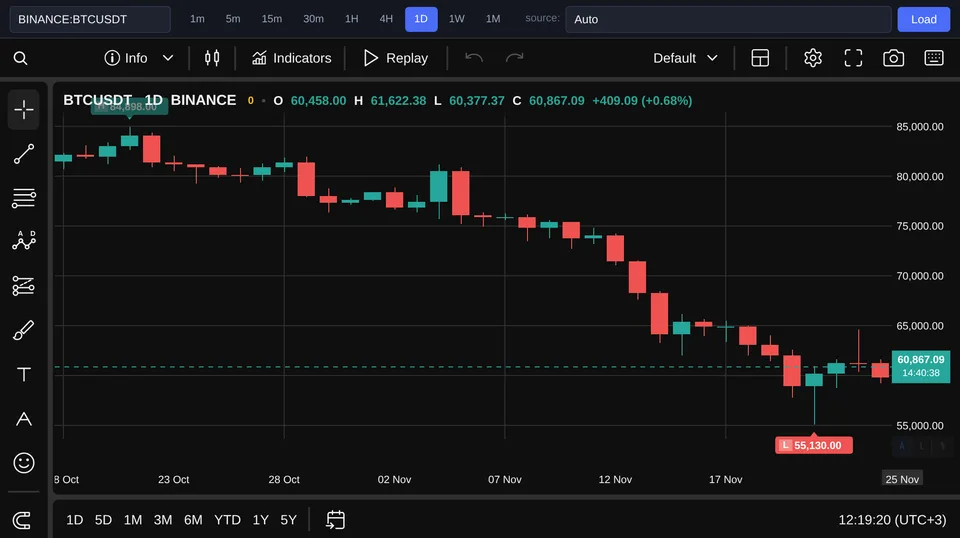
According to Farside, U.S. spot Bitcoin ETFs recorded a net outflow of $231.4 million on November 24, following $569.7 million in the previous session. It was the sixth negative session in a row. The direction of the flow remained negative even as its size declined. At the time of writing, Bitcoin (BINANCE:BTCUSDT) is at 60,901, with a daily change of +0.73%. That quote and the ETF figures refer to different time windows, so comparing them does not establish cause and effect. A positive price move cannot tell us whether ETF investors have stopped withdrawing money. The Reddit discussion puts November's outflow at nearly $4.94 billion and raises the possibility of the worst month since these funds launched. That monthly total is a community estimate, and the record claim needs a check against the full flow history. It adds context to the discussion but cannot establish whether the latest session marks a turning point.
Two explanations for a quieter session
The first explanation is that the heaviest wave of redemptions is fading. Investors with the most urgent need to reduce exposure may already have acted, allowing subsequent outflows to shrink. Under this hypothesis, the smaller withdrawal total is an early sign of stabilisation, with later sessions expected to show further improvement. The competing explanation is that withdrawals are continuing in uneven batches. Timing alone could produce a quieter session even while the broader process of reducing positions remains under way. A smaller daily outflow fits both explanations. A smaller leak is welcome, but it is not yet a dry floor. These are possible mechanisms, not confirmed accounts of what holders did. Net flow combines money entering and leaving the funds, so the total cannot show whether a change came from fewer withdrawals, more subscriptions, or both. Even if subscriptions rose, withdrawals could remain substantial; even if withdrawals eased, fresh demand could remain weak. Without those components, neither investor panic nor renewed confidence can be read directly from the headline figure.
Why a pause is the stronger working hypothesis
Our editorial working hypothesis is a temporary easing of outflows, with no confirmed reversal yet. It requires fewer assumptions than declaring that the redemption wave has ended: the series remains negative, and the improvement is measured against one preceding session. The evidence supports a slower net exit on the latest reported day; lasting stabilisation still needs a sequence of observations. Bitcoin's +0.73% daily move does not decide between the explanations. Its price reflects trading across the broader market, while this flow series covers a particular group of investment vehicles. Buyers elsewhere could support the price during ETF withdrawals, but the available observations do not identify those buyers or establish that this happened in the reported session. The distinction also changes what a convincing claim would require. To say that net withdrawals have eased relative to the previous session, the two reported totals are enough. To say that the selling wave is exhausted requires evidence that the improvement persists and that returning demand can offset further withdrawals. This working hypothesis remains provisional and should be tested against subsequent flow reports.
What would confirm or overturn that view
The next available fund sessions should test the pause hypothesis directly. A return to large outflows after the brief slowdown would support the view that withdrawals remain active. That result would weaken the claim that the most intense redemption wave has already passed, especially if the renewed outflows appear across several funds. A sustained move from shrinking outflows to net inflows would weaken the pause hypothesis. The evidence would be more persuasive if several funds contributed, because a positive aggregate can be dominated by a single product. Occasional positive sessions separated by renewed withdrawals would leave the question less settled. The distribution matters alongside the total: examine whether an improvement is broad or concentrated, and whether it survives the following reports. Withdrawals from one fund alongside subscriptions into another can reflect a shift within the ETF market, so the aggregate and the individual rows answer different questions. The present figures do not supply that breakdown, which leaves the breadth of any recovery untested. Bitcoin's price can provide a supporting check once the observation windows are aligned. More resilient pricing alongside persistent flow improvement would fit stabilisation, while a price bounce accompanied by renewed withdrawals would leave the ETF recovery case weak. If price weakens while funds attract persistent inflows, the narrower conclusion would be an improvement in ETF flows that has yet to translate into a stronger Bitcoin price.
Conclusion
The slower outflow shows that net withdrawals eased relative to the previous session, but the end of the ETF exit wave remains unconfirmed. A temporary easing of pressure is the stronger working hypothesis while the sequence remains negative. Persistent inflows across several funds would provide the clearest reason to revise that view.