
How Bitcoin Began and What It Became: An Unusual View of the History and Role of Cryptocurrency
"With growing trust, it will be possible to introduce oral money." Andrey Knyshev, satirical writer
Trust lies at the foundation of financial relations. Paper money earned people's trust for more than a hundred years. Digital currencies covered this path in less than a decade.
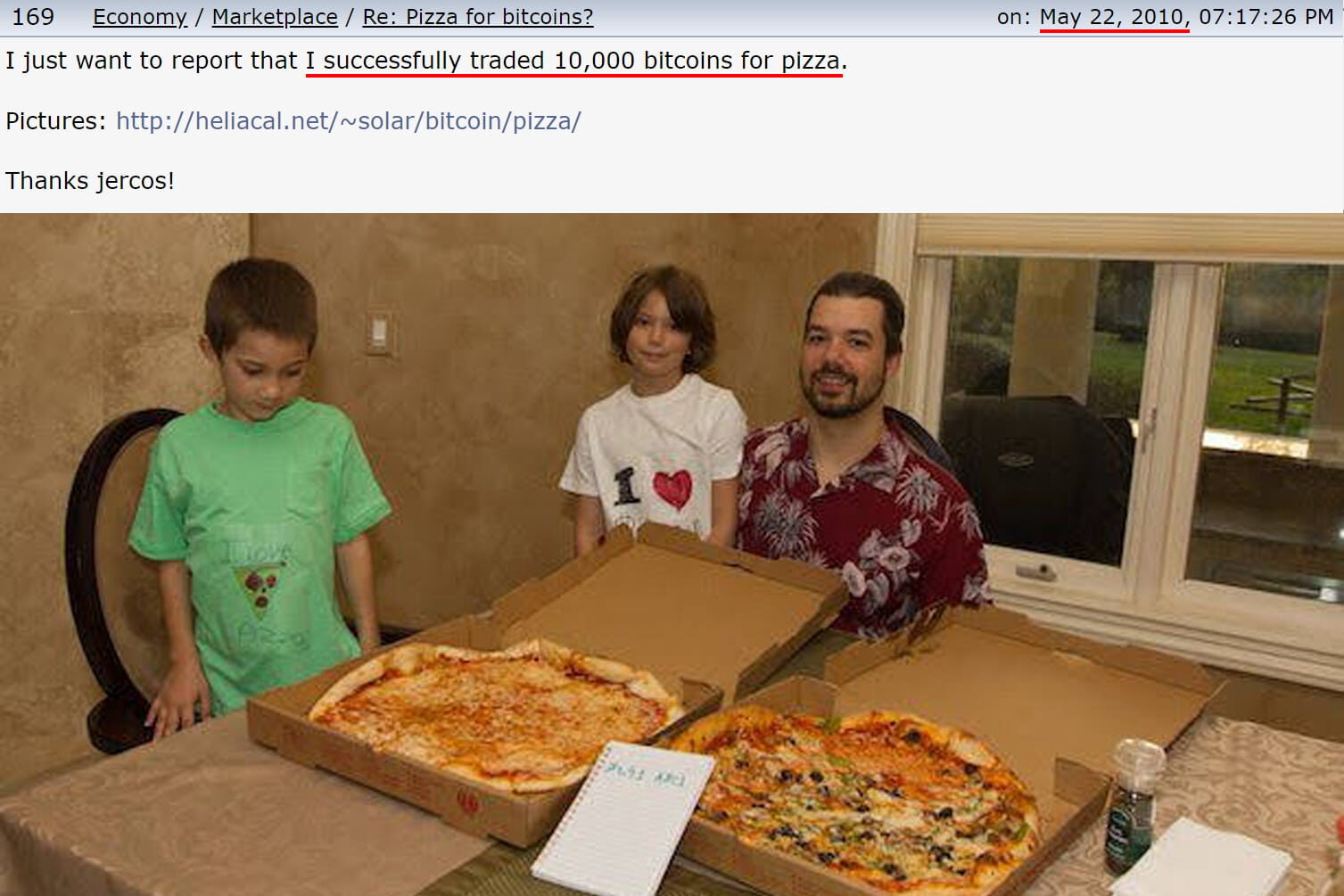
17 years ago, the crypto era began. We remember both the 2 pizzas bought for 10000 bitcoins on May 22, 2010, and the build-up of hype over many years, and the transition from a free cryptocurrency market to its strict regulation, and even the recent attribution to Trump of the creation of the first cryptocurrency. It seems that we remember everything or almost everything.
But what do we actually know about the world of cryptocurrency? Not that much. There is an opinion that bitcoin and other cryptocurrencies appeared almost by accident, on their own. But is that really so?
Besides speculation in futures, media management is close to me. Put very simply, this is work with what people learn and in what sequence.
I remember quite well those years when the history of bitcoin began. I will say right away that even back then I saw the informational promotion of the topic: the world's leading media, in unison with the then-popular tech bloggers, as if on command started talking about a new phenomenon.
Below I will share some reflections on the role of bitcoin in global finance, its influence on technological progress and the growth in energy consumption, as well as much else.
In the Beginning There Was Crypto. Or Was There Not?
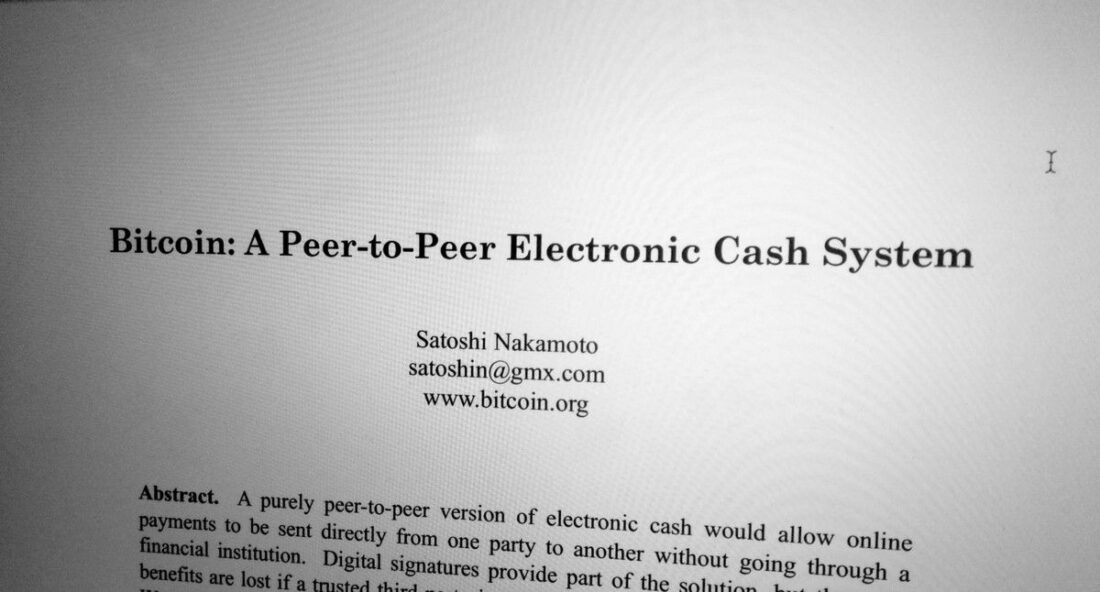
The domain bitcoin.org was registered on August 18, 2008, a month before the collapse of the giant Lehman Brothers (September 15, 2008). While panic reigned on global stock markets, as a result of which the S&P 500 index in March 2009 reached the highly ambiguous mark of 666 points, the media told of a certain Satoshi Nakamoto who published the paper "Bitcoin: A Peer-to-Peer Electronic Cash System" ("Bitcoin: A Peer-to-Peer Electronic Payment System"). They told of it and then forgot about it for a while.
Let me remind you of the context once again: the whole world is being shaken by the mortgage bubble (games with complex structured products), George Soros, not to be mentioned around children, speaks of a long-term weakening of the American economy, and millions of people are losing their jobs. A way out of the crisis was found: the quantitative easing program, the result of which was the constant printing of dollars with short breaks (2017-2019 and 2023-2025).
All this time, preparations were underway for the launch of a new bubble. In 2009 we heard about the first mined bitcoins and the first bitcoin trades. On February 6, 2010, the first bitcoin exchange, Bitcoin Market, opened, and we learned about two pizzas for 10 thousand coins in less than 4 months.
There is no point in going into detail further. Exchanges grew like mushrooms after rain, bitcoin confidently entered the market of "black" payments (weapons, drugs, slave trade, corruption). First black, and then gray liquidity flowed there.
Did I shoehorn in the story of the collapse of the mortgage bubble and the launch of the "Bitcoin" project? Possibly. But the timing of this story, as well as the deliberate informational promotion of crypto in the world's leading media from the very first days of its existence, gives rise to some suspicions. Does it not?
Crypto, NVIDIA, AMD, and Bitmain
We have covered the financial side of the issue. But what about the technical side?
At that time, the mobile revolution was beginning, toward which the largest hardware manufacturers of the time showed little interest, the traditional computer hardware market had slowed its growth, and against the backdrop of the global financial crisis it was difficult to speak of rosy prospects. And then, quite by chance, a new major consumer of computer hardware appears: miners of bitcoin and other crypto.
At the first stage, mining required only a powerful central processor, but already from 2010, when bitcoin attracted the interest of a fairly broad public, miners switched to graphics cards (GPU), which coped better with the specific tasks of bitcoin mining. While demand for central processors continued to stagnate, manufacturers of GPU chips (NVIDIA and, to a lesser extent, AMD) briskly reported growth in shipments. In 2013, ASIC miners from the Chinese company Bitmain appeared on the market, replacing graphics cards in bitcoin mining.
The Bitmain legend is astonishing: in 2013, the founder earned a lot of money by buying bitcoin at the beginning of the year for 20 bucks and selling it at the end of the year for 900. The profit was enough to buy the best engineers, who immediately designed a specialized integrated circuit (ASIC - Application Specific Integrated Circuit) that was supposed to execute SHA-256 hash algorithms. Since then, the main bitcoin mining has been done on ASICs, and mainly these are ASICs produced by Bitmain.
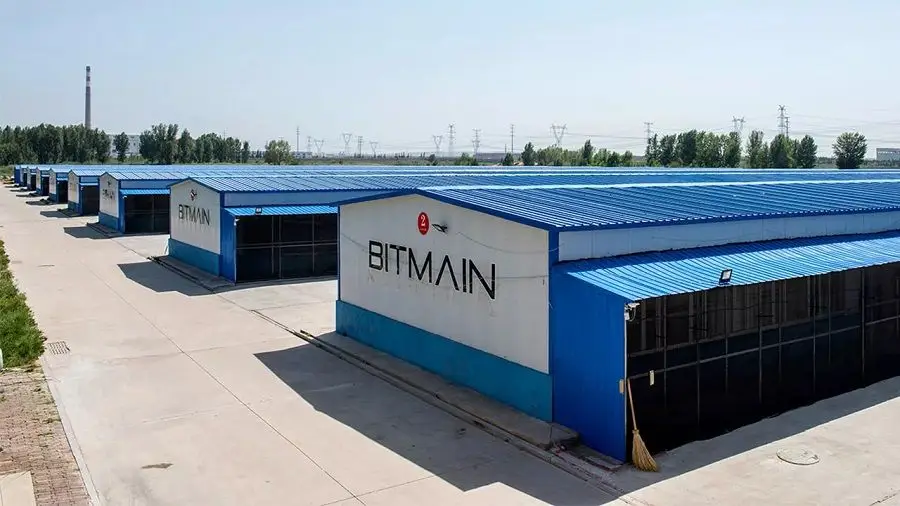
At the same time, as early as May 2014, Bitmain launched the AntPool mining pool, which became the largest in the world. Thus, on the one hand, the company directly controls a substantial part of bitcoin mining by owning its own mining pool, and on the other hand it exercises indirect control over mining thanks to its leadership in the production of specialized equipment.
What is interesting is that GPU farms did not disappear anywhere.
By the time mass production of ASICs was launched (2013) by an unknown offshore firm, bitcoin forks, new crypto protocols, etc., that worked only on graphics cards had appeared. Equipment sales did not fall for either Nvidia or AMD, but we saw new cryptocurrencies.
Popular encryption algorithms are ASIC-resistant. This means that it is impossible to create a specialized integrated circuit for mining ether. Two main algorithms are responsible for calculating altcoins: Equihash (for example, Zcash) and Ethash (for example, Ethereum). The first works better on NVIDIA graphics cards, and the second on AMD.
Thus, by 2017, the mining hardware market had been divided between ASIC and GPU solutions, while both graphics card manufacturers had their share of the market, since different algorithms work better on different cards.
By the way, malicious tongues say that Bitmain may have had those very Nvidia and AMD behind it, for whom it was unprofitable to show their interest in the main "theme" of those years - bitcoin.
Fiction? Perhaps, but again the indisputable fact is this: graphics card manufacturers miraculously receive a lot of money from the very beginning of the bubble. In turn, Bitmain suddenly appears on the scene literally at the moment when the market has matured for the mass consumption of very specific equipment. The company's backstory is impeccable from a PR standpoint, and it gives the informationally overheated market what it expects: everyone wants to urgently join the theme and repeat the success. During a bubble, it is better for major players to retreat into the shadows, is it not?
Energy for mining
Energy is the basis of any economy. Without energy, there is nothing. By the end of the 2000s and the beginning of the 2010s, energy producers were looking for new points of capital deployment. In the US, the shale boom was only just beginning, while in Europe the "green agenda" had almost taken a dominant position. At the same time, deindustrialization continued in the US, and in Europe energy consumption stopped growing.
There was clearly an impending surplus of primary energy supply in the world. And then, as if by magic, an industry appears that is ready to consume a lot of energy. In 2024, electricity consumption by bitcoin miners alone accounted for 0.2 to 0.9% of the global total. In the US alone, mining makes up 2-2.5% of the energy consumption structure. If we speak about the operation of the bitcoin network, maintaining it requires as much energy as Finland.
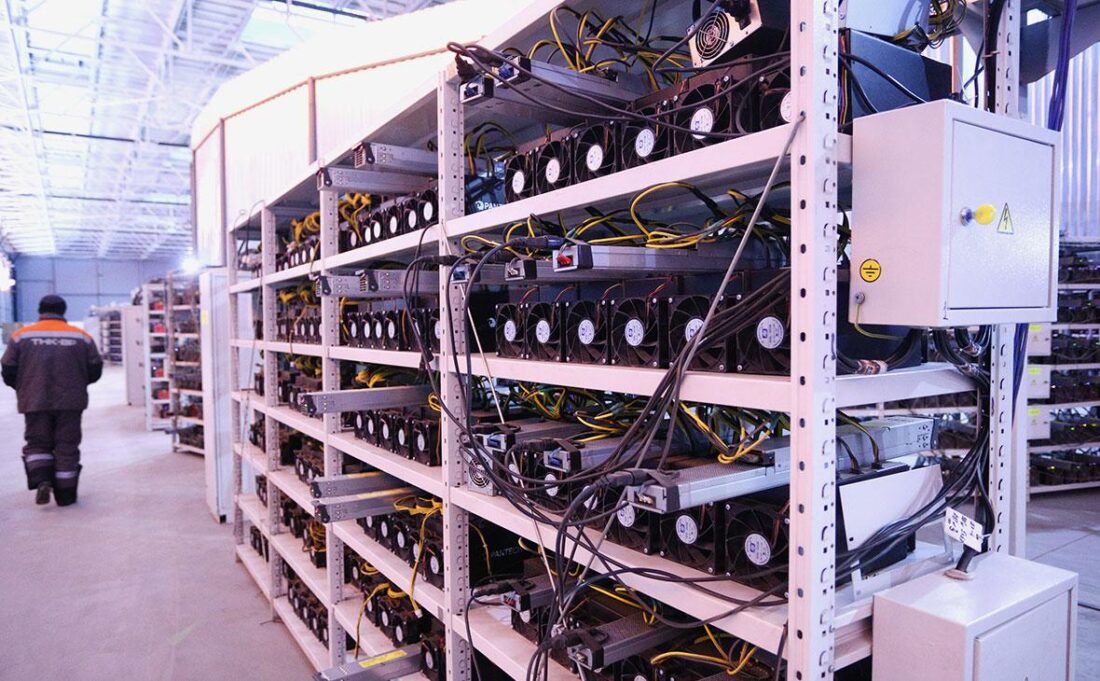
If the interest of hardware manufacturers in promoting crypto is fairly obvious, then with energy companies everything is somewhat more complicated: it is difficult to prove their direct involvement in this story. But the figures are before our eyes, and they are staggering.
In 2025, about 36% of mining is concentrated in the US. Cheap, and at times even free, shale gas helps miners a great deal. Russia produces about 16% of new bitcoins: energy is in good shape here too. 14% of the hashrate is concentrated in China, despite the legislative ban on mining. By the way, at its peak China generated more than 60% of the hashrate: there is a lot of coal, and its conversion into bitcoins at the end of the 2010s was a very profitable business in the PRC.
At the current stage, the key global miners (Riot, Marathon, Hut 8) consume hundreds of megawatts, build their own power plants, issue shares on regular stock exchanges, and are already participating in the AI boom.
Mining did not just support the electricity market, it made it possible to significantly expand production capacity while supporting old industrial conglomerates. Or is all this just a coincidence?
Legalization of bitcoin
By 2017, bitcoin and the main altcoins had already won the trust of millions of people. If there is trust, then it should be legalized. The first real step toward bringing bitcoin out of the shadows was the launch of the futures contract on the Chicago Mercantile Exchange, CME Group.
CME Group is the largest exchange conglomerate where global prices are determined for gold, oil, wheat, and even indirectly for interest rates on US bonds. In short, it is an extremely serious organization.
The organizational and informational preparation for the launch of the BTC futures contract lasted more than a year.
On December 18, 2017, the first trading in the futures contract took place. And, oh miracle, on that day the all-time high of $19371 was reached. Over the course of the next year, the price fell to 3 thousand per coin.
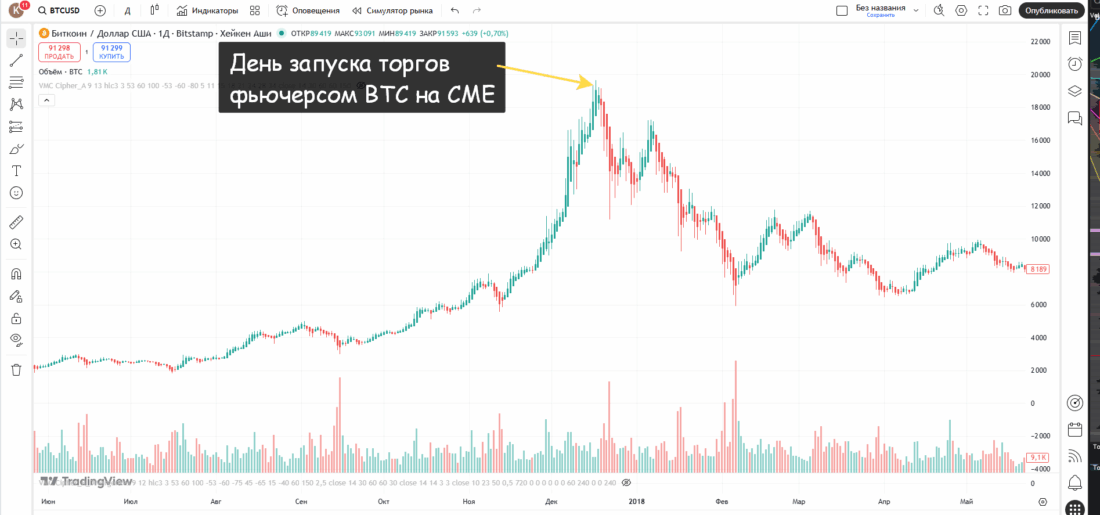
Let me remind you that on January 1, 2017, the price of bitcoin crossed the $1000 mark for the first time. In September, bitcoin could be bought for 4-4.5 thousand dollars, and then the rally that was crazy by the standards of that time began, ending at the moment the futures contract was launched on CME.
Again, one can speak of a simple coincidence of circumstances. It just so happened that legal capital, through shorts on the futures contract, took physical bitcoins away from the crowd at a price of 3-7 thousand.
Now the futures contract on CME no longer influences the price so much. Its place has been taken by exchange-traded ETFs.
Over-the-counter ETFs (issuer Grayscale) have existed for quite a long time - since 2013, but the US Securities and Exchange Commission (SEC) did not allow exchange-traded issuance for a long time.
Everything changed when the financial monster BlackRock took up the matter. In January 2024, the SEC approved the launch of the iShares Bitcoin Trust ETF on NASDAQ (ticker IBIT). This attracted billions of dollars to the market. The investor buys a security, BlackRock buys bitcoin. Now several times a month crypto people watch in fear as BlackRock moves coins back and forth there for hundreds of millions and billions of dollars.
Simultaneously with exchange regulation, states were actively moving toward regulating the crypto market. Active discussions of legal status began in 2016. By the beginning of the 2020s, bitcoin had become fairly regulated in most key states.
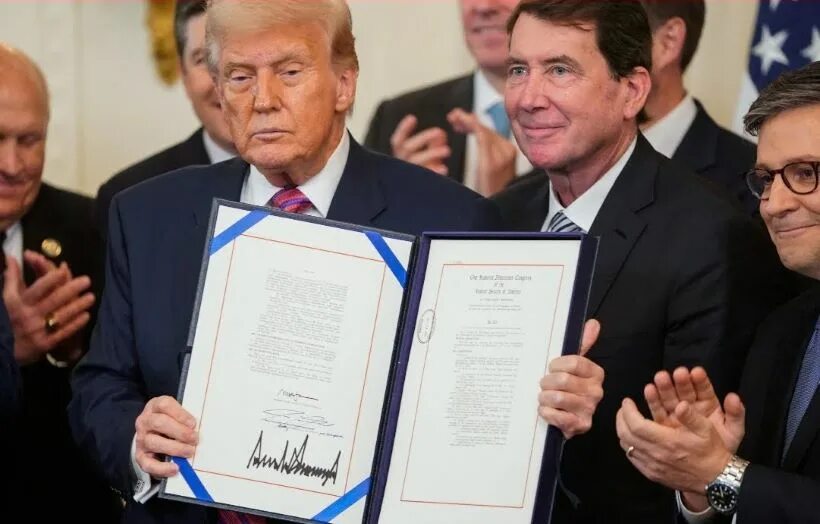
In the summer of 2025, the US House of Representatives approved a bill radically changing the entire system of crypto market regulation. Now the crypto market will be overseen by the Commodity Futures Trading Commission (CFTC) instead of the Securities and Exchange Commission (SEC). The law also defines cryptocurrency tokens as commodities rather than securities.
In Russia, since January 2025 bitcoin has been property rather than money: you can mine it, store it, and sell it, but you cannot use bitcoin for payments within the country.
And finally, let us return once again to 2017. That year, the United States effectively pulled dollar liquidity out of offshore jurisdictions, which led, among other things, to a search for alternatives for laundering capital. And bitcoin could not have come at a better time here. Or am I mistaken?
What Is Bitcoin, Then?
Bitcoin gained the trust of both ordinary people and major investors, having gone from a strange digital toy for enthusiasts to a full-fledged part of the global financial system. At the moment, bitcoin has effectively replaced the offshore havens to which capital of ambiguous origin used to flow. Moreover, operations are carried out through bitcoin to circumvent sanctions.
Looking more broadly, the launch of the crypto bubble supported chip manufacturers over the course of a decade. Moreover, the development of the crypto market led to growth in electricity consumption, which effectively affected the entire value chain: from coal and gas extraction to the production of equipment for thermal and renewable power plants.
Nor should we forget the role of bitcoin as a buffer for absorbing excess liquidity that emerged as a result of quantitative easing policy. Put simply, bitcoin absorbed excess money at the most basic level, which helped restrain consumer inflation in the presence of excess money.
Bitcoin is a very large legal business that appeared out of nowhere but has become an important component of the global financial and economic system.
Sincerely,
Ivan Rusin