
What Is Liquidity in Forex

Hello, Forex trader friends! We have all heard the expression "Forex is the most liquid market." But what does that mean? What is liquidity? What are the dangers of low liquidity? And what about liquidity inside your broker?
In this lesson, we will examine all of these questions in more detail :)
The presence of liquidity in financial markets has a lot of advantages. If the advantages of liquidity are not obvious to you, it is worth asking the opinion of any person who tried to sell real estate during the 2008 crisis, or a trader who had an open position in the wrong direction during the off-exchange period before the release of important news, which eventually led to a reversal of the trend. These people found themselves in a situation where they were unable to exit the trade when they wanted and where they wanted, and all of this was due to low market liquidity.
What Is Liquidity?
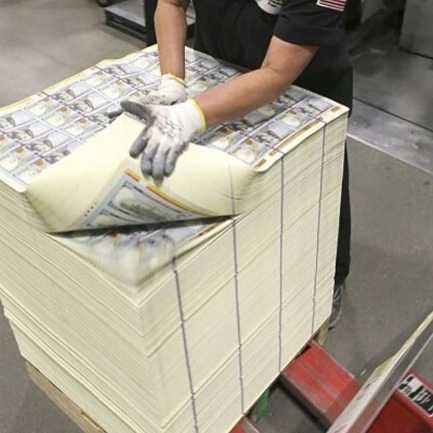
Liquidity is the ability to LIQUIDate an asset quickly and without a strong change in price. In other words, the presence of a high level of supply and demand.
Imagine that you have an iPhone and you need to sell it. Since the iPhone is an extremely popular phone, it is very easy to sell. And, note, this will not require you to reduce the price too much, provided it is used, of course. It will be taken off your hands quickly anyway. Thus, we come to the conclusion that the iPhone is a liquid product: it is easy to buy and easy to sell, because there are many sellers and many buyers available.
Now imagine that you have an old grandmother's wardrobe with peeling paint, creaky doors, and cracks from age. Will it be easy for you to sell it? Hardly. Most likely, you will have to lower the price, and significantly. Is grandmother's wardrobe a liquid product? Definitely not. There are sellers, but there are far fewer buyers. And the price will have to be reduced as well. The lack of liquidity in the "grandmother's wardrobe market" is obvious :)
Let us return to the currency market.
First of all, liquidity reflects the interest of market participants, both in the absolute number of traders and in total trading volumes per unit of time. In other words, the presence of a large amount of supply and demand is characteristic of a highly liquid market. The higher the market liquidity, the faster a large position can be liquidated.
From the point of view of an ordinary trader, the amount of liquidity is often expressed through changes in volatility. Price in a highly liquid market moves gradually, in small steps, and quotes are more consistent. EURUSD is one of the most liquid currency pairs, and accordingly, on the chart we see almost perfectly smooth price movement despite the small timeframe.
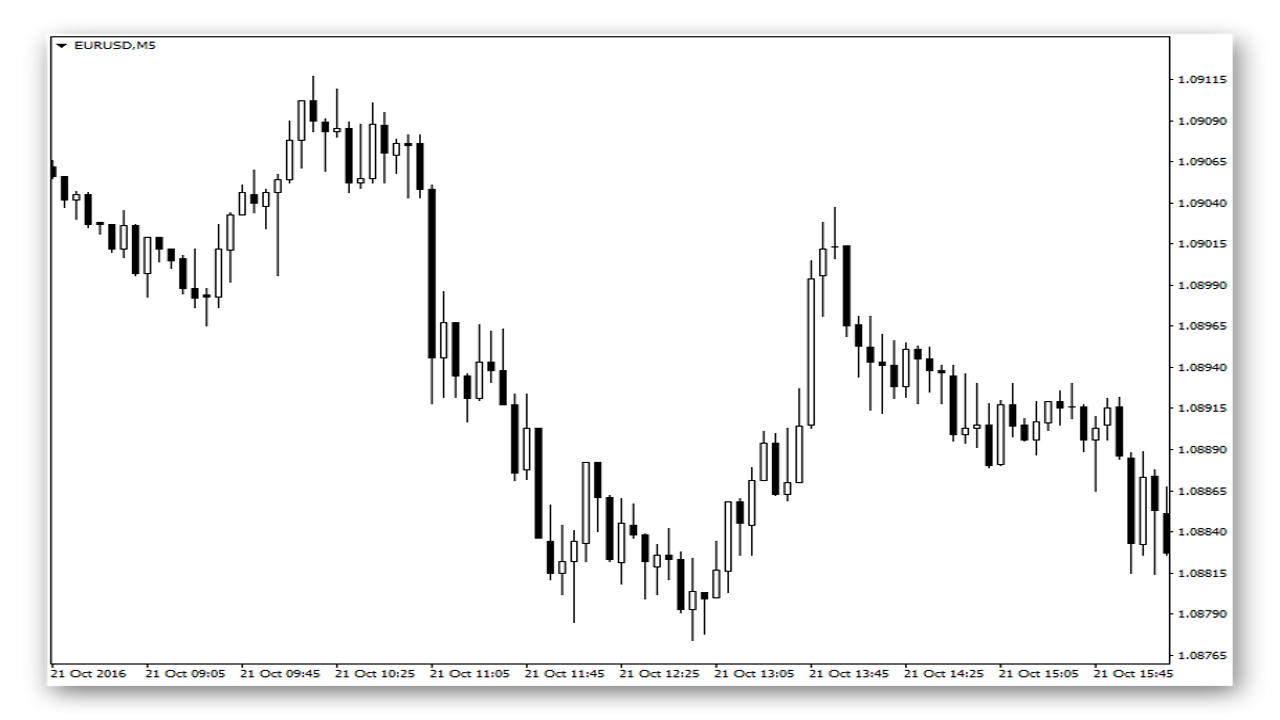
The most liquid currency pairs include: GBPUSD, USDJPY, USDCAD, USDCHF, AUDUSD, NZDUSD, GBPJPY, and EURJPY.
A decrease in liquidity will lead to larger jumps and gaps in the quote stream. The volumes of buy and sell orders during such a period may change several times over while still remaining small in absolute terms. That is, a situation may occur where an instrument continues to lose value, but there is no possibility of selling it completely.
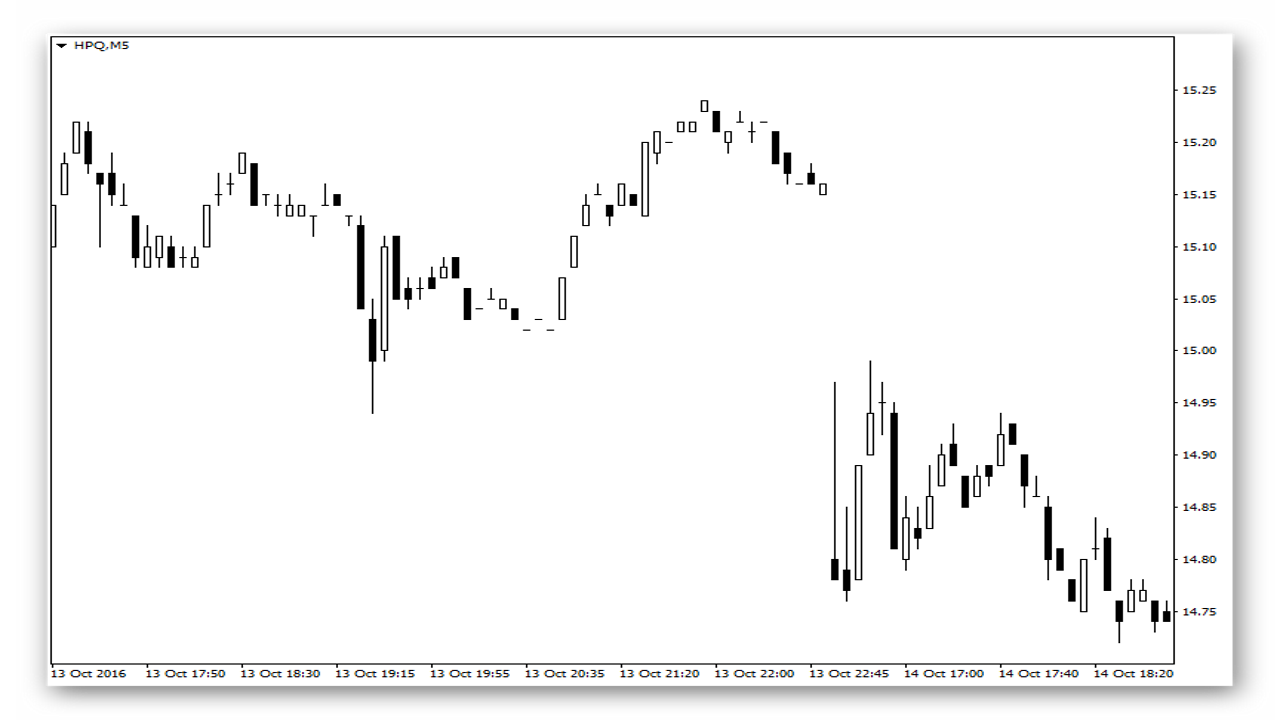
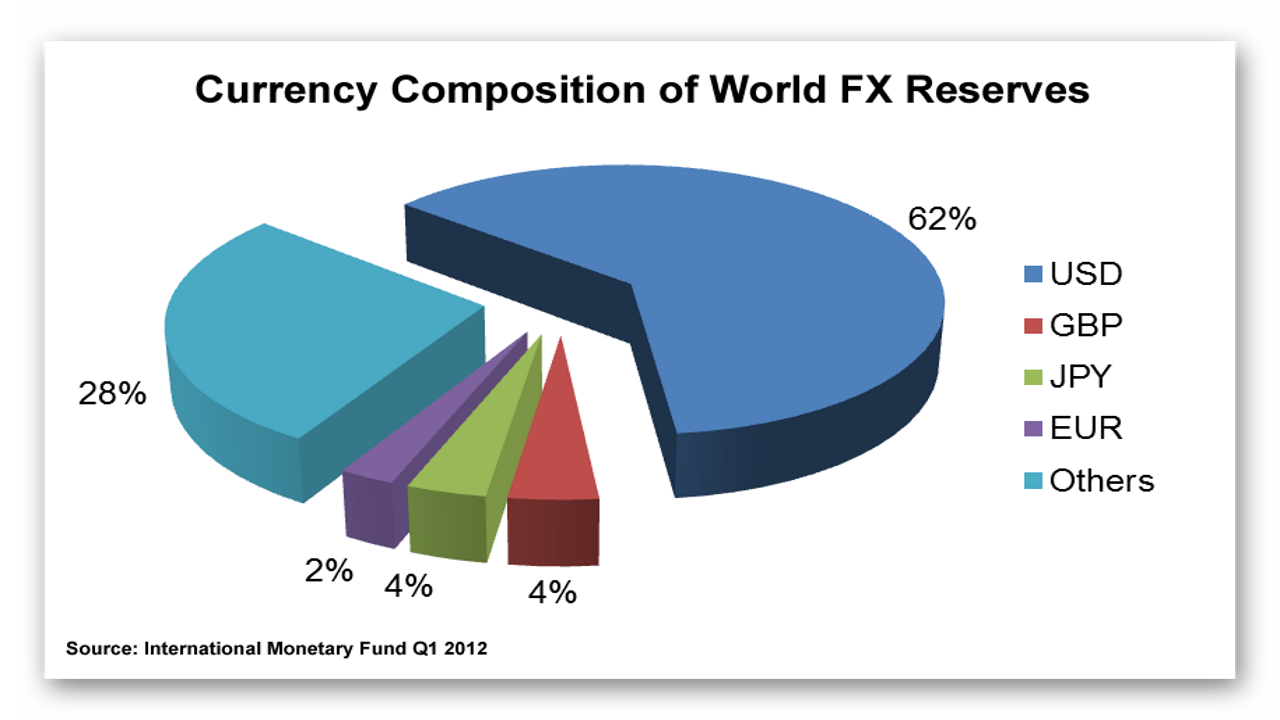
Forex is often mentioned in the context of being the most liquid financial market in principle. But this does not mean that currencies are completely immune to the influence of liquidity, and this factor should be taken into account even by forex traders. Otherwise, for people moving here from other markets, the high liquidity of Forex often becomes a pleasant surprise. According to rough estimates, daily turnover in Forex is about 4 trillion U.S. dollars.
International trade constantly needs the exchange of large sums of currencies, and this is where the reasons for such huge turnover lie. It is not surprising that money is the most liquid asset, because it can immediately be exchanged for goods, services, and other benefits. Of all currencies, the dollar is currently the most in demand. To begin with, the dollar makes up at least 1/2 of any major pair, and 75% of Forex transactions are in the major pairs. The dollar is definitely something to reckon with.
Liquidity and Volatility
High liquidity does not necessarily mean high volatility. A market can be both liquid and low-volatility.
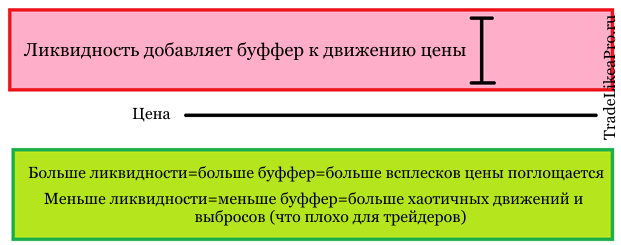
As we already mentioned above, a liquid market moves more smoothly, while low liquidity means a greater number of random movements and more chaos. One of the reasons why sharp spikes in both directions are observed during the release of important news is the absence of liquidity providers in the market at that time, because they simply do not want to take risks by offsetting trades on the news.
In general, liquidity can be imagined as a buffer that absorbs weak price spikes:
Liquidity at Different Times

Liquidity in Forex changes throughout the trading day, which is connected with the opening of the main financial centers in different time zones. As is known, reduced liquidity is observed during the Asian session. Nevertheless, Japan's financial reports and comments from local officials can provoke a fairly strong market response simply because less force will oppose the directed movement of changed sentiment.
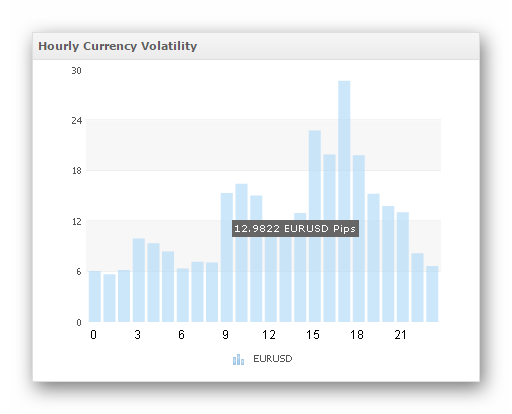
In turn, peak liquidity is observed at the opening of the European markets, and London in particular. Market participant activity gradually increases throughout the day, until the North American markets enter the game. By the end of European trading, liquidity falls sharply, and declines from the second half of the American session right up to the close of New York.
As already noted, during periods of low liquidity the market is more vulnerable to unexpected and highly volatile price movements. Once again, the catalyst can be news or rumors, which often leads to sharp jumps in quotes and gaps. Predicting price movement in such periods is extremely difficult, and accordingly trading risks are also elevated. During a low-liquidity market you should always be ready for an unexpected increase in volatility if you have open positions.
Liquidity can also weaken noticeably due to holidays and changes in seasonal activity. For example, trading activity drops toward the end of summer and before the New Year holidays. As a rule, during such "holiday" trading sessions the market continues to move by inertia, without going beyond the boundaries of a predetermined channel.
A situation when a small number of participants remains in the market is called a "thin market." Large players can use such "weak spots" to force movement toward the main key levels. In other words, the lower the liquidity, the easier it is to "move" the market. It is not a rare situation when after such stagnation the market completely changes its direction to a radically opposite one.
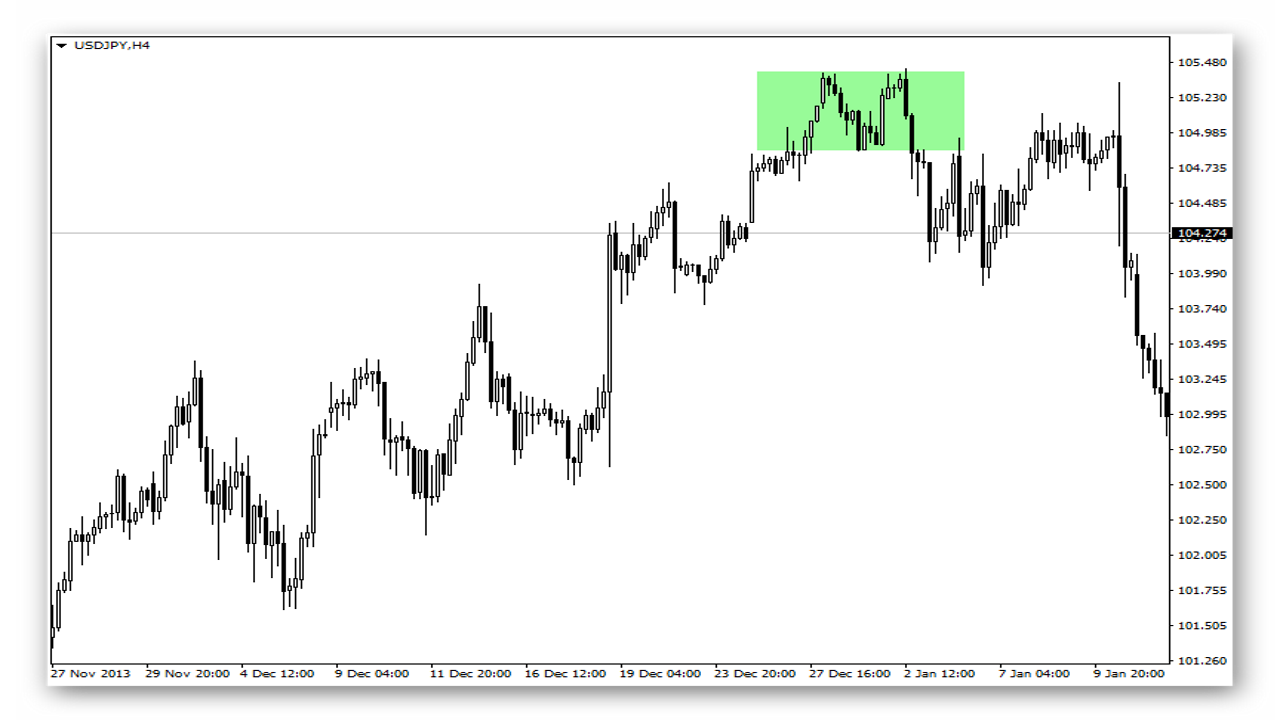
Surely, you have noticed that at night the execution time for closing a position can differ greatly from the daytime, while the market is often in a flat state, essentially standing still. If you trade the night flat, always keep an economic calendar at hand, or set up automatic alerts. An hour before major news is released, remove all positions from the market, so you can preserve your deposit from the actions of large players.
Liquidity at the Broker and Dangers of Weak Liquidity

One of the main advantages of Forex is the possibility of quick exchange. But, having a large volume of currency on hand, you cannot quickly sell it during a period of low trading liquidity without losing heavily on trading costs. Also, when liquidity is lacking in the market, gaps often arise. A gap is good only when it occurs in your favor. By the laws of unfairness, after the gap the position usually goes deeply into the red.
If a very small number of people are interested in buying currency, liquidity falls. In connection with this, trading conditions worsen. In particular, the spread, the difference between the best bid and ask price, widens, and the order book thins out. With high liquidity, on the contrary, the spread narrows. Provided, of course, that you have an account type with market execution.
The liquidity of an individual broker depends heavily on the number of connected providers. The more counterparties there are, the larger the volume they can process. In addition, a large number of orders has a positive effect on spreads and execution speed: the more orders we aggregate, the better prices we can get in the end. See more in the material How Orders Are Executed in Forex.
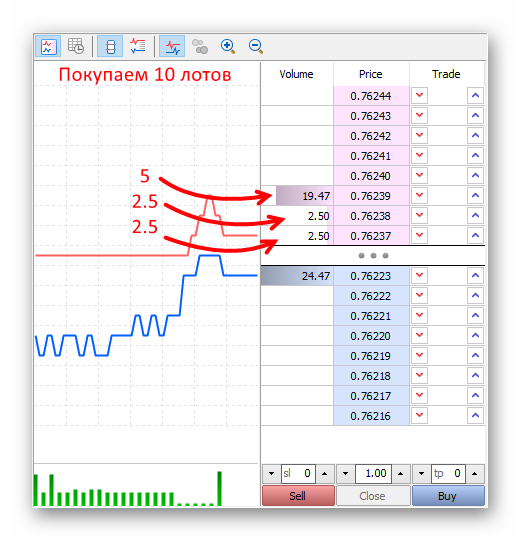
Large positions in a highly liquid market are executed exactly at the stated price. When there is sufficient volume at the nearest price, the trade is executed without slippage.
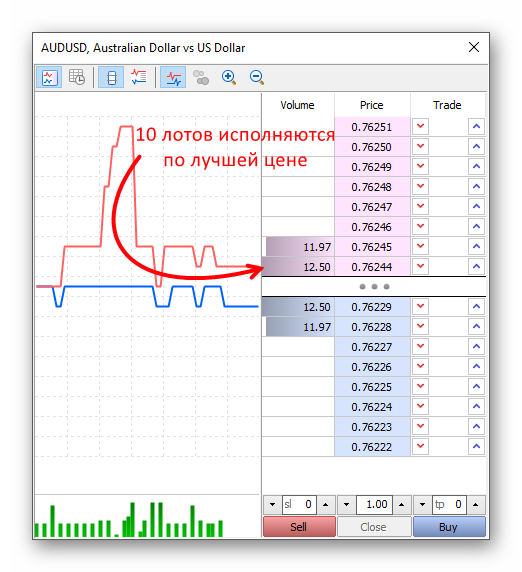
When there is insufficient volume in the nearest orders, the order is partially filled by each of the orders, and the opening price is calculated as a weighted average. That is, the position is partially executed at 0.76237, 0.76238 and 0.76239, after which 0.76239 becomes the new best price.
Conclusion

In any case, no one is protected from sudden surges in volatility. Therefore, you should not trust the calm, low-liquidity market at first glance: appearances can be deceptive. High liquidity has far more advantages, making the market more suitable for technical analysis. A highly liquid market is also a strong market, where the forces are approximately equal on both sides, and one large player is not able to significantly influence price movement.
Remember this and profit will be on your side.
Respectfully, Pavel Vlasov TradeLikeaPro.ru
