
Trading Sessions on Global Markets: What Time Trading Is Best
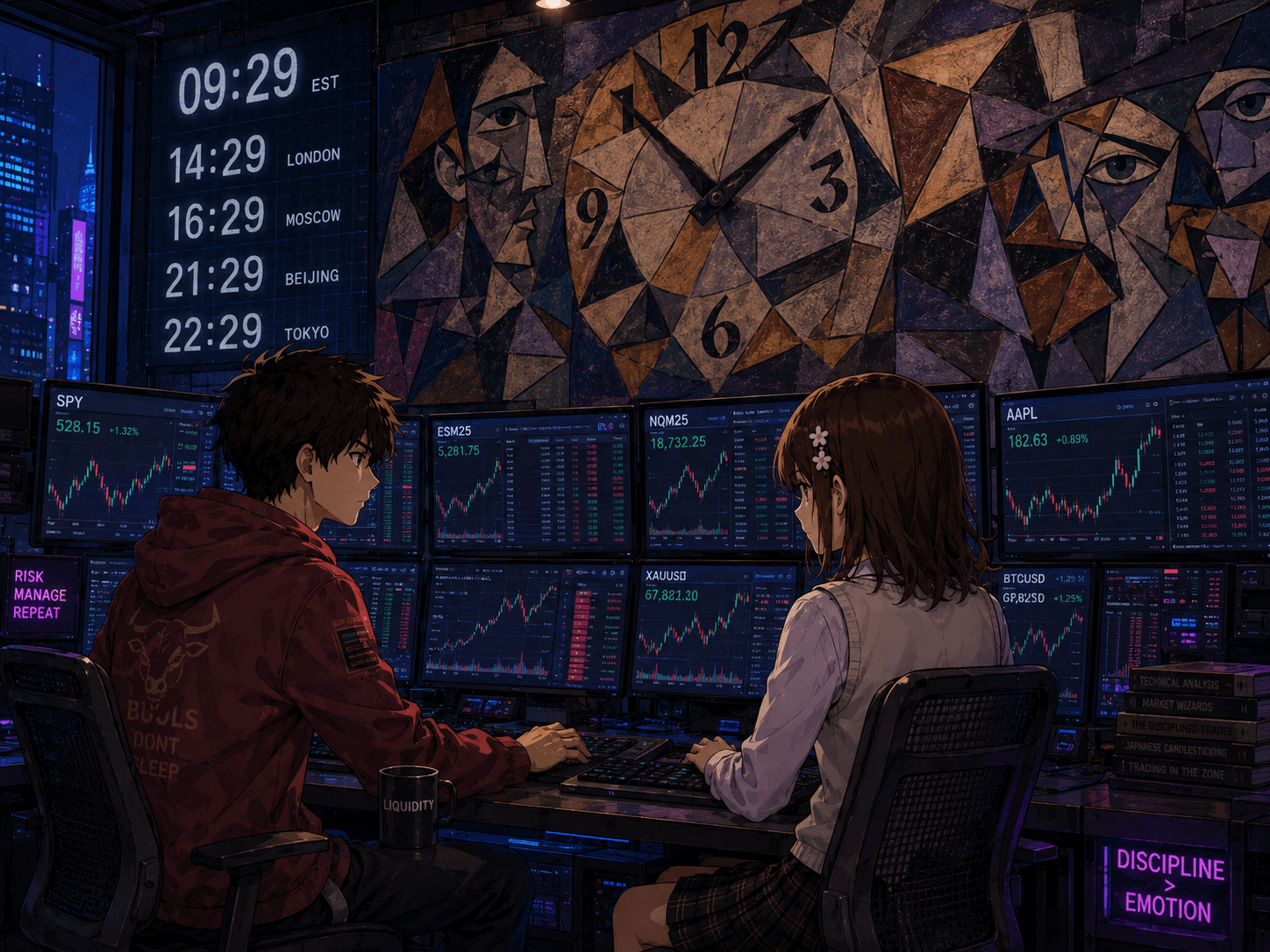
Global financial markets are connected into a worldwide network where trading runs almost continuously. However, activity is distributed extremely unevenly: at certain hours instruments “fly,” while at others they freeze, building energy for the next move. The key to understanding this dynamic is trading sessions.
Understanding trading sessions helps you choose the right time to enter, anticipate when to expect momentum, and when it is better to stay out of the market.
The main rule is this: each instrument “likes” its own session. Currencies, indices, commodities, cryptocurrencies, and stocks behave differently because they have different participant geography, different liquidity, and different news drivers.
The Three Main Zones of Exchange Trading
Conventionally, the global market can be divided into three zones of activity.
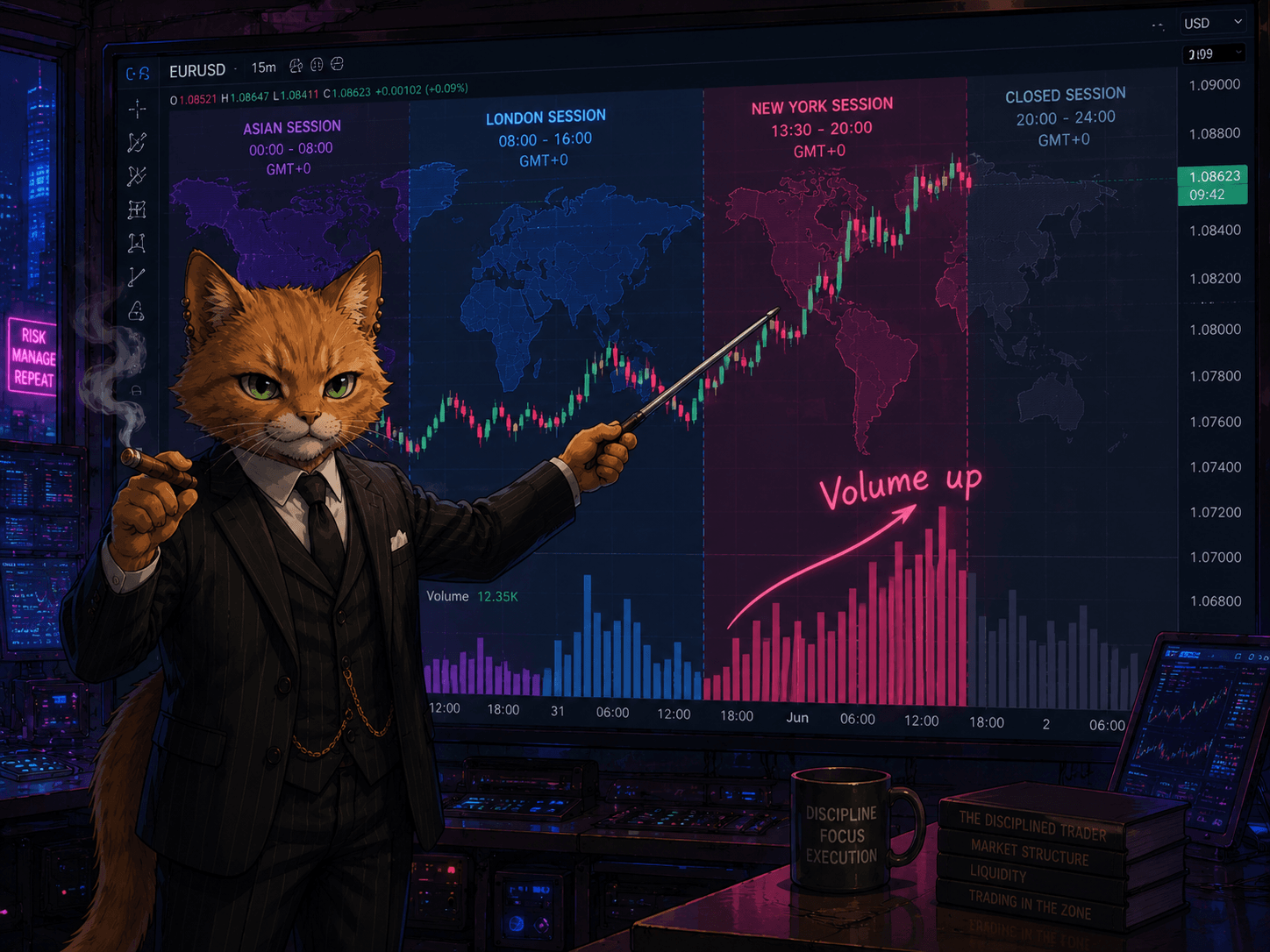
Asia-Pacific Session
Activity is concentrated around Japan, China, Australia, New Zealand, and part of the Asian markets. Trading centers: Tokyo, Sydney, Singapore, Hong Kong. Overall activity in the Asian session lasts roughly from 02:00 to 11:00 MSK. It is during this time that Bank of Japan decisions, Australian employment data, and New Zealand GDP are published.
Volatility during the Asian session is often explosive but short-lived: the market is thin, and a large order can swing the price sharply. However, for American and European futures at this time, a flat market and a narrow range are more typical.
Main liquidity is concentrated in yen crosses (USD/JPY, EUR/JPY, GBP/JPY), the Australian and New Zealand dollars, and indices: Nikkei 225, ASX 200, Hang Seng.
As for gold, during this time there can be extremely high volatility with wide spreads and low volumes.
European Session
Trading centers: London, Frankfurt, Zurich. Main activity: from 10:00 to 19:00 MSK.
The opening of the London Stock Exchange (LSE) at 10:00 MSK often launches trending moves in pairs with the pound (GBP/USD, GBP/JPY) and the euro. At the same time, Eurex (futures on DAX, Euro Stoxx) and Euronext open. Gold and oil also often start moving at this time.
The European session is the most liquid for cross rates with EUR and GBP, as well as for German government bonds (Bund) and UK bonds (Gilt). The publication of PMI, IFO, ZEW, and eurozone inflation data leads to sharp directional impulses.
Gold (XAU/USD) also traditionally becomes more active in London, where the main physical market for the precious metal is located. Brent crude oil at this time receives momentum from European news and the start of trading on ICE.
American Session
Centers: New York, Chicago. Activity: from 16:30 to 01:00 MSK (the main liquidity pool lasts until 23:00, then declines). This is where NYSE, NASDAQ, CME Group (CME, CBOT, NYMEX, COMEX), and ICE US are located.
It is the American session that sets the global tone for markets: key labor market data (Nonfarm Payrolls), GDP, inflation (CPI), retail sales, and Fed decisions are published.
At this time, all dollar pairs “move” (EUR/USD, GBP/USD, USD/JPY, USD/CAD), along with American indices (S&P 500, NASDAQ-100, Dow Jones), WTI oil, natural gas, gold, silver, and copper. Volatility rises sharply, while spreads narrow to a minimum.
The highest volatility is observed during the overlap with Europe (16:30 - 19:00 MSK), when both London and New York are active at the same time.
RTH: The Heart of Real Trading

RTH (Regular Trading Hours) is the officially established exchange period during which the main trading takes place with the participation of market makers and large players who provide the maximum flow of liquidity. Outside RTH, Extended Trading Hours (ETH) are in effect: pre-market and post-market, where liquidity is limited, spreads are wider, and large players generally refrain from aggressive actions.
Why RTH is so important:
Maximum trade volume. More institutional money, market makers, hedge funds, algorithms, and retail traders participate in RTH.
Better quality of movement. Trends and breakouts are more often confirmed by volume, which means they are easier to trade.
Less random noise. Outside RTH, the market may jerk around because of thin liquidity, but such moves do not always continue.
More news and reactions. It is during working hours that many macro data releases, corporate reports, and comments that create momentum are published.
To put it very simply, RTH is the time when the market most often shows the “real” structure of the day.
Each market has its own RTH:
NYSE / NASDAQ (stocks and ETFs): 9:30 – 16:00 EST (Eastern Standard Time). Moscow time: 16:30 – 23:00.
CME / CBOT (futures on the S&P 500, NASDAQ-100, Dow indices, as well as grains and bonds): formally, RTH for equity futures is defined by the trading hours of the main stock venue, although electronic trading runs for 23 hours. The pit session and settlement windows are tied specifically to the NYSE daytime period. The key point: large algorithms and pension funds execute orders mainly during these hours. RTH volumes exceed overnight volumes by 5–10 times.
NYMEX / COMEX (energy and metals): RTH for WTI oil and gasoline is 9:00 – 14:30 EST, but in practice the main liquidity in the electronic environment falls during the American morning-day, especially around EIA data releases at 10:30 EST.
LME (non-ferrous metals): official prices are set during the open outcry auction in the ring (11:40 – 17:00 London), which is RTH for the base contracts.
Moscow Exchange: RTH for stocks is 10:00 – 18:50 MSK, for the derivatives market — 10:00 – 23:50, but the main volumes in RTS, Brent oil, and gold futures are tied to the daytime session.
Why are RTH so important? Because it is during these hours that the main macroeconomic statistics are published, the offices of the largest banks open, TWAP/VWAP algorithms are launched, and hedging flows from industrial consumers and providers are executed.
Only during RTH is fair value formed, from which the market takes its cues in subsequent sessions. Prices outside RTH are often “technical” — they can deviate strongly from equilibrium because of a thin market and then correct after the main session opens.
Which Instruments Move Better at Different Hours
To account for which trading session is active right now and which one is coming very soon, we recommend using the “Forex Trading Sessions” tool.
Currency Market (Forex)
Forex is decentralized, there is no concept of a single RTH, but session peaks strictly define volatility.
Asian session (02:00 – 11:00 MSK). USD/JPY shows the best moves. Yen crosses often draw trends on Bank of Japan decisions. AUD/USD and NZD/USD react to Australian and New Zealand news. EUR/USD and GBP/USD usually consolidate at this time, while breakouts often prove false because of low volume.
European session (10:00 – 19:00 MSK). EUR/USD, GBP/USD, EUR/GBP, and EUR/JPY show the highest activity. Key impulses come at the London open (10:00 MSK) and after European statistics are released (11:30 – 12:30 MSK). This is where spreads on the major pairs narrow and the daily trend begins.
American session and the overlap with Europe (16:30 – 19:00 MSK). The absolute peak of liquidity. Moves accelerate, and level breakouts become reliable. All dollar majors trade excellently, as do CAD crosses after Canadian data is released (usually in sync with the US). After 20:00 MSK, the impulse fades, although volatility may persist until the NYSE close (23:00 MSK).
Stocks and Equity Indices (ES, NQ, YM, DAX, FTSE Futures)
Stocks and index futures trade almost around the clock, but the true move happens exclusively in the RTH of the corresponding stock exchanges.
ES (S&P 500), NQ (NASDAQ-100), and others. The overnight Asian session (02:00 – 10:00 MSK) is a thin market with minimal volumes. Narrow ranges often form, and sharp exits from them that are not supported by volume become traps.
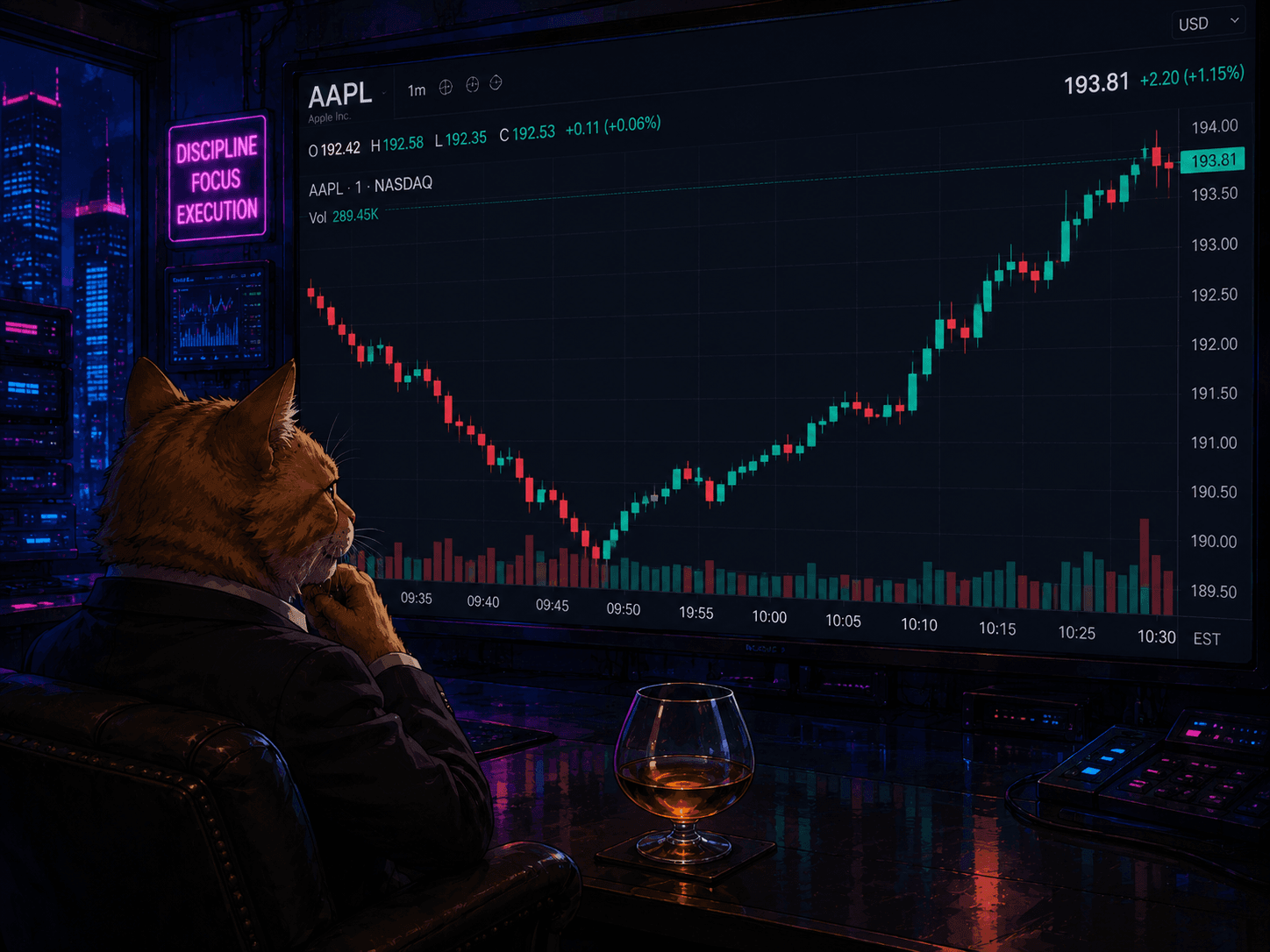
Real trading begins with the premarket at 11:00–16:30 MSK. The NYSE open (16:30 MSK) brings the first wave of volatility, then after 30–60 minutes the market often defines the daily direction.
The final hour of RTH (22:00 – 23:00 MSK) — the “power hour” — is marked by huge volumes and sharp reversals, as MOC orders (Market on Close) and portfolio balancing enter the game.
DAX (Germany). The main dynamics run from 10:00 to 16:00 MSK, then at the US open the index receives an additional impulse. After Europe closes (18:30), DAX liquidity drops sharply, and trading it during the evening American session is dangerous because of widening spreads and false breakouts.
MOEX Index. The main moves occur in the first 1.5 hours after the open (RTH — 10:00 – 18:50 MSK) and in the final hour. At lunchtime (13:00 – 15:00), volumes often decline and a sideways market appears.
Commodities
WTI oil (CL) and Brent (BZ). Despite 23-hour electronic trading, the main volumes and trend moves are generated in the RTH of the American oil session (NYMEX / ICE). For WTI, the critical period is from 16:00 to 22:00 MSK. During this time, volumes reach their peak, and breakouts of technical levels become most reliable. Brent is additionally active (in terms of volume growth) during European hours (10:00 – 17:00 MSK) because of its link to the London venue.
Overnight Asian moves in oil are often provocative: the price may move 1-2%, but at the European open it can easily come back.
Gold (XAU/USD) and silver. The London fixing (around 12:00 and 17:00 MSK) is still important, but the main speculative volumes come in the U.S. session, with the opening of COMEX (RTH 15:20 – 23:30 MSK in summer). The London and New York overlap (16:00 – 19:00 MSK) is the best time to trade gold: strong moves, tight spread.
Cryptocurrencies (BTC, ETH)
The crypto market has no formal RTH, but its correlation with traditional finance has led to the formation of pronounced session cycles.
Maximum activity and directional moves in bitcoin increasingly occur during the U.S. session, especially in the first hours after the NYSE opens (16:30 – 20:00 MSK). This is when U.S. bitcoin ETFs trade, generating colossal volume.
The Asian session remains important for altcoins and speculative “pumps,” but for major coins the most “honest” price discovery happens precisely during the U.S. RTH, which is confirmed by volumes on Coinbase and CME Bitcoin Futures.
Best Time to Trade: A Synthesis of RTH and Instruments
Based on the role of RTH and session mechanics, you can make a map of ideal windows for intraday trading in popular instruments.
Currency pairs EUR/USD, GBP/USD . 10:00 – 19:00 MSK (European session and overlap with the U.S.). Maximum volumes and trends.
USD/JPY, yen crosses. 3:00 – 06:00 MSK (Asia) and 16:30 – 20:00 MSK (U.S.). In the Asian session, movement on Japanese news; in the U.S. session, reaction to the dollar.
S&P 500, NASDAQ-100 futures. RTH only (16:30 – 23:00 MSK in summer), especially entering a position 30 minutes after the open.
DAX 40. 10:00 – 16:30 MSK (active European RTH). After 18:30, only if there is overlap with a strong U.S. move, but carefully.
WTI and Brent oil. 10:00 – 22:00 MSK.
Gold. 10:00 – 19:00 MSK.
Russian stocks (Moscow Exchange). 10:00 – 12:00 MSK and 17:00 – 18:50 MSK. Avoid the “lunch hole.”
Conclusion
Understanding trading sessions and, most importantly, the concept of Regular Trading Hours turns the chaos of market quotes into an orderly system.
An instrument cannot “move well” in a vacuum; it needs volume support, which comes strictly on schedule with the opening of the main venues, so build your strategies taking into account the working hours of global exchanges. Pay special attention to RTH in U.S. markets, because at this time the maximum liquidity of the day almost always passes through, and trends often change direction.