
Positive Locking - a Pill Against Fear

Hello, ladies and gentlemen, Forex traders!
We all know that no trend is possible without corrections. And when a trend will end is also unknown. And if we have a position in profit, there is a temptation to close it. There is a fear of losing what has been earned. But what if there is an opportunity to "buy insurance" against a drop in profit, and at the same time earn from a correction of the move? Such a cure for fear exists and is called positive locking.
Today we will talk about positive locking: what it is, why this approach is useful, and how this technique should be applied in practice.
What Is Locking?
Locking orders are orders of the same volume, opened on the same instrument, on the same trading account. Locking can be with a negative or positive lock. To begin with, let us consider an example with a negative lock.
Negative Lock
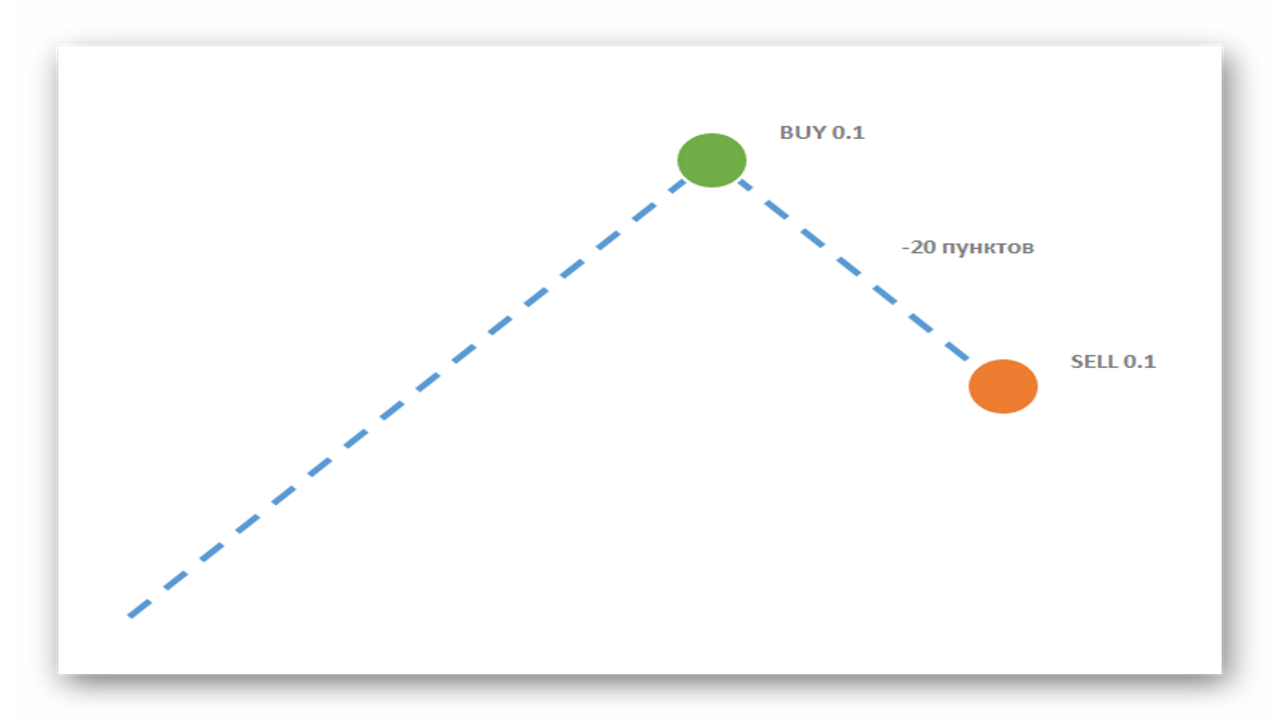
Suppose we bought Buy 0.1 lot, but the price went in the other direction. If we open Sell 0.1 lot at this point, we will lock in a loss of 20 points. That is, we will create a lock.
Thus, no matter where the price goes, the size of the loss will remain the same. If the price goes up, the loss on the sell grows and, at the same time, the profit on the buy grows. If the price goes down, the loss on the buy is offset by the profit from the sell. That is, locking can be used as an alternative to stop loss. This gives you some advantage, because without closing current positions you gain time to calculate reversal points, open new orders, or bring old ones into profit. This is the so-called negative lock.
Positive Lock

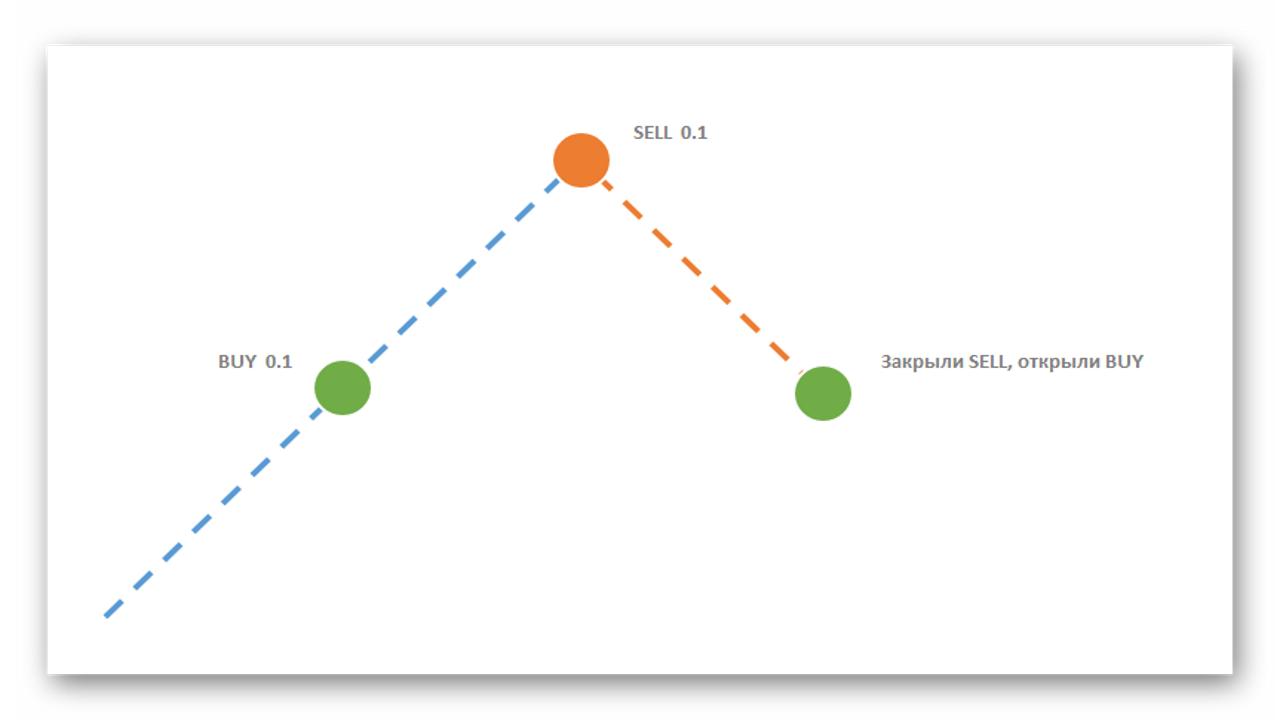
Another type of locking is a positive lock. Suppose we opened a buy and the price immediately went in our favor. Then a dilemma arises. On the one hand, we can lock in the existing profit and leave. On the other hand, we can wait, hoping that the trend will continue. At this point, the feeling of fear and the feeling of greed enter the struggle: the fear of losing money and the desire to earn more.
As an option, if you believe there will be a correction next, you can open an additional sell order. As a result, we get a positive lock. This type of locking should be used if you trade long-term or are simply looking for a good alternative to stop loss. Suppose a correction begins next, the price goes down, and we get a signal to open a buy. Then we close the sell position and get a profit equal to the size of this correction. If there is a signal, we open a buy position and, if the price goes in the right direction, we will have profit on both orders.
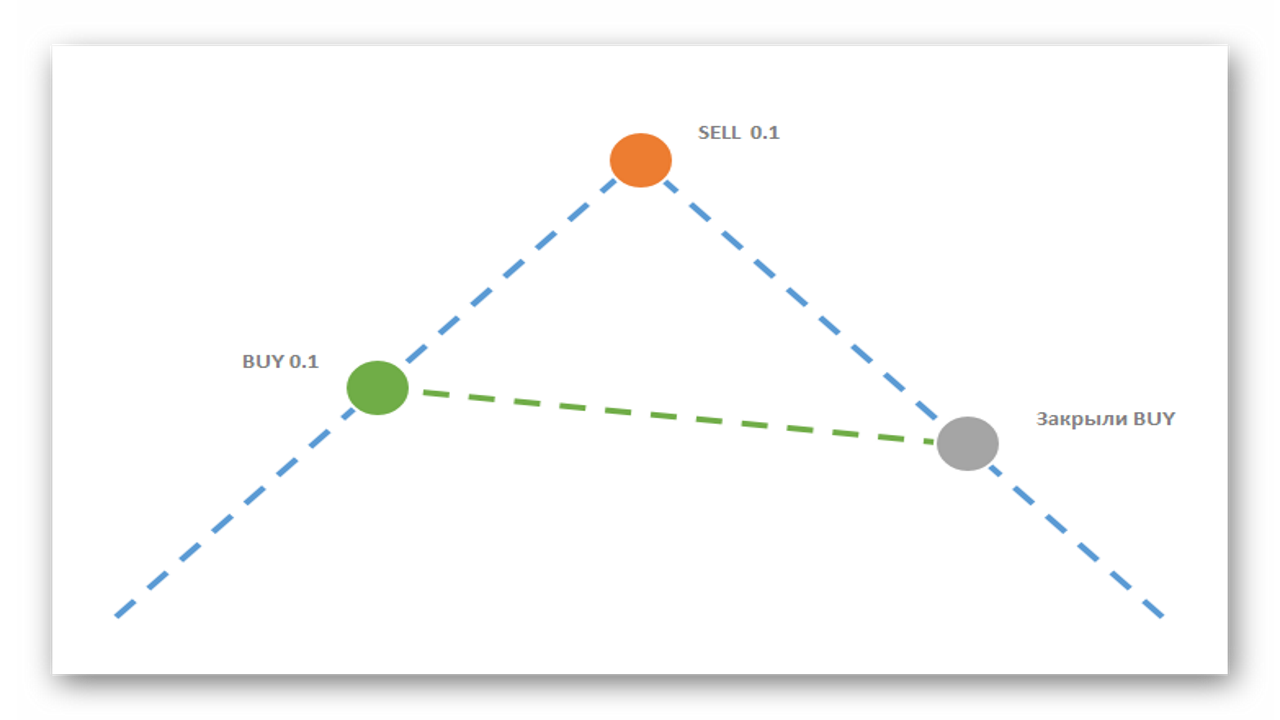
What happens if the trend changes and goes down? For example, we have +60 points on the sell and -10 on the buy. In this case, since the trend has changed, we can close the buy order, thereby locking in a small loss, and leave the sell position. You can also open an additional order if there are any reinforcing signals in the sell direction.
If important news comes out, strong turbulence appears in the market. If we were opening orders the old-fashioned way, our positions would already have been knocked out by stops long ago and, possibly, more than once. The presence of a lock allows us to wait out this period, and when the further direction of movement becomes clear (a channel breakout, for example), we can already decide what to do. Suppose the upper boundary of the channel was broken, then we close the sell order and leave the buy.
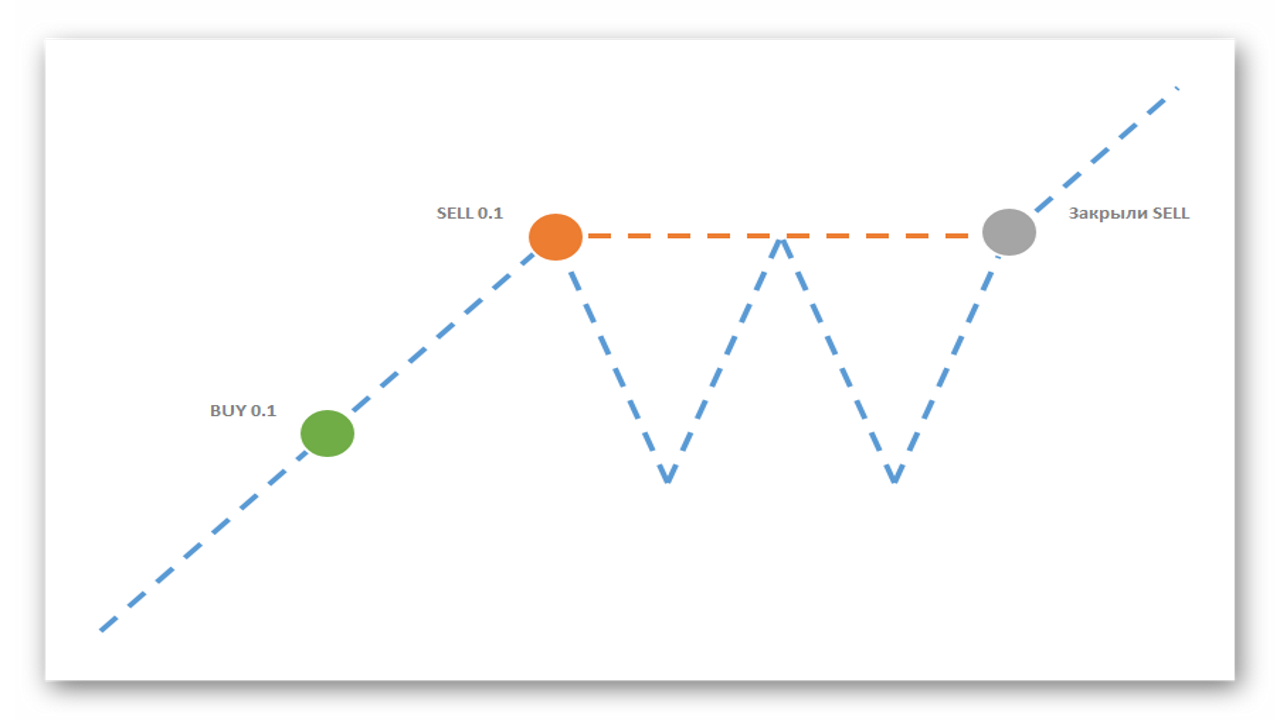
And yet, the most important advantage of locks in my opinion is the psychological factor. A lock lets you take extra time to think, because we know that no price fluctuations will affect our profit. We calm down, catch our breath, and already in a calm setting we can soberly assess the situation and make the necessary decisions.
Another obvious advantage of locks is the ability to catch more moves and, accordingly, more profit. As is known, there are traders who close positions in parts. Suppose you are going to close one of the positions. In order not to miss potential profit, you calculate a level where, in your opinion, a correction will begin. As an option, behind this level you can place a pending order Sell Stop of the same volume. Thus, if a correction begins, the pending order will trigger and a positive lock will be formed. If the price continues moving in the same direction, the order will not be activated.
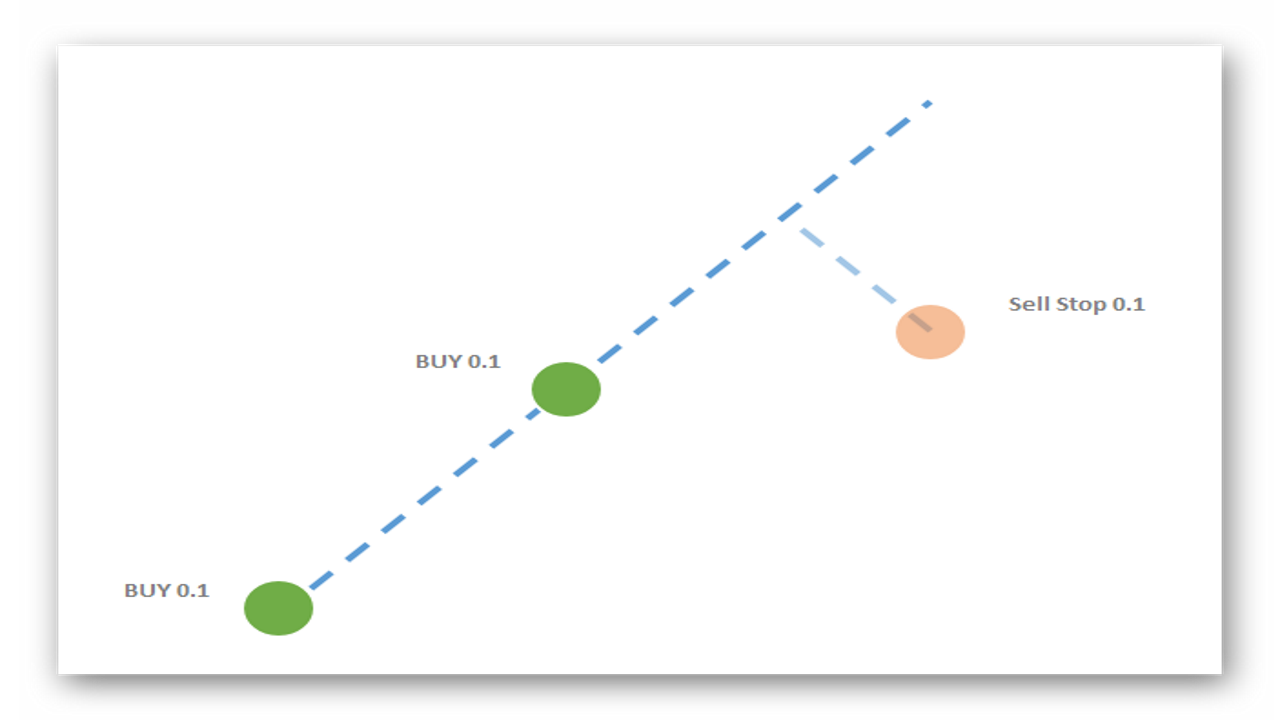
To automate the workflow when working with locks, there is a large number of auxiliary expert advisors. You can use the ArgoAverager advisor by downloading it from our forum.
Examples in Practice

Let us consider several examples of positive locks on the GBPUSD H1 chart. At a certain moment after a downtrend, the price draws a pin bar on the chart and we decide to enter a sell.
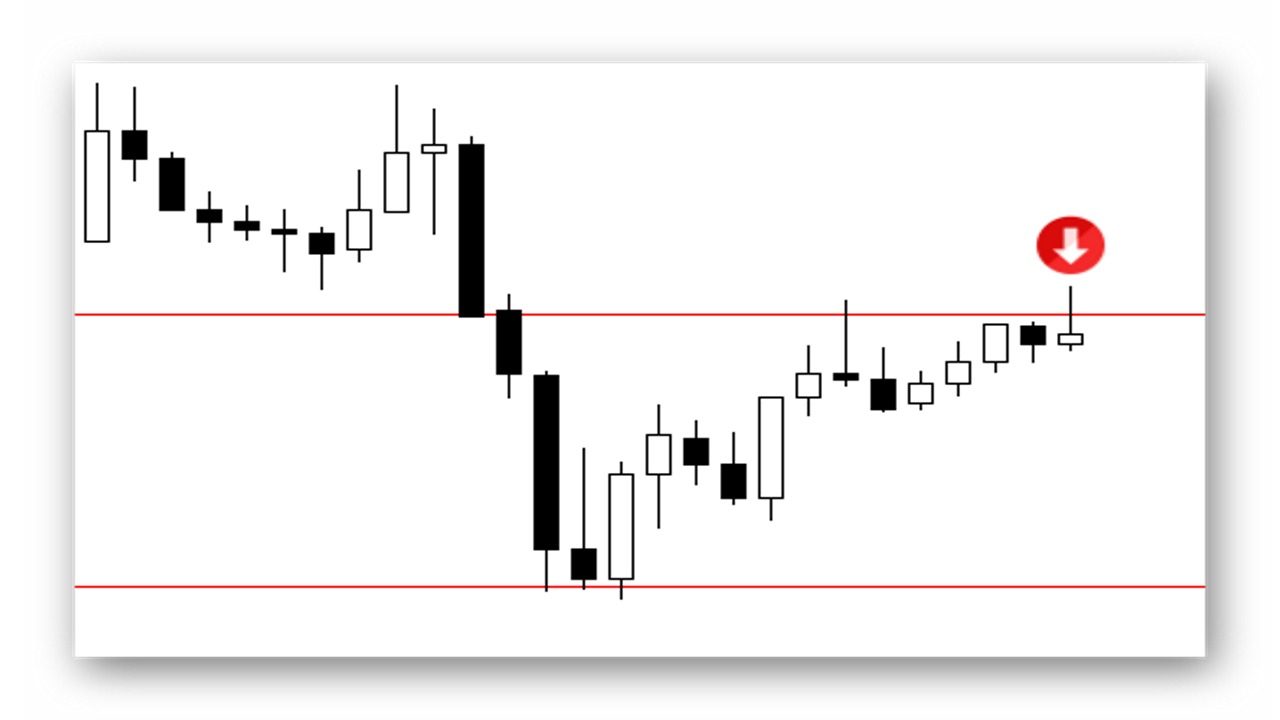
It is not worth creating a lock when you have a small profit on the position. After all, this is a more long-term instrument. It is worth thinking about creating a lock when you would like, for example, to close part of the position. Next, we get a candle with a long tail, which may indicate the end of the trend, which, in turn, means there are 2 options: either we close the position, or we open a buy to create a positive lock.
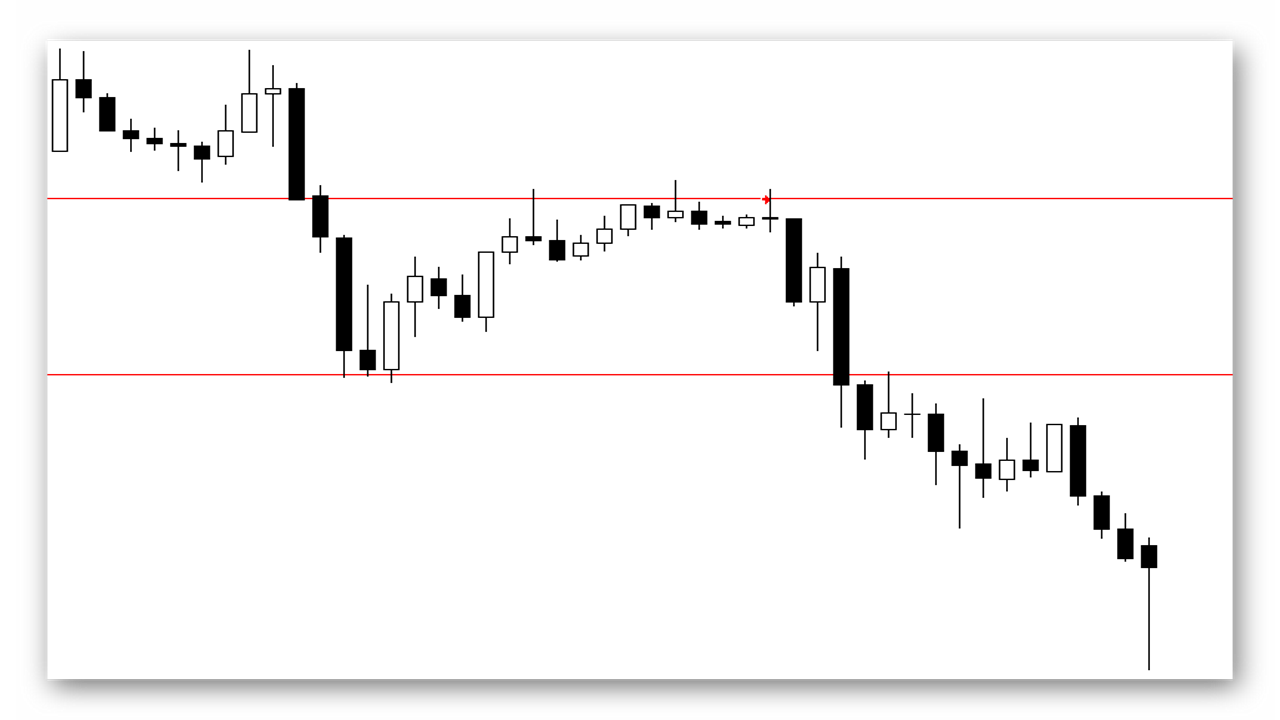
Next, we see how the price breaks through the level, which most likely means the end of the correction. In this case, the buy position can be closed, even if there is a loss on it. The positive lock made it possible to hedge, calmly wait out this period, and not give in to temptation.
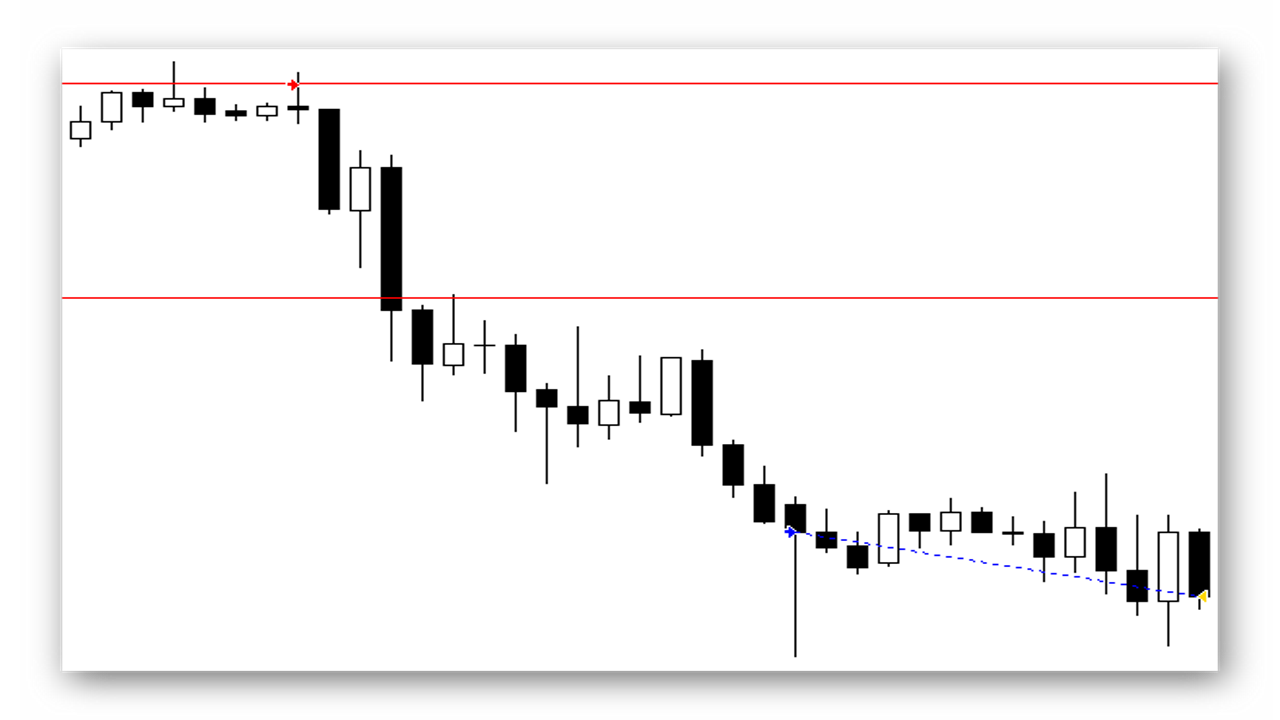
A little later, a new candlestick pattern appears, resembling a reversal. To avoid giving in to fear, we open a new locking order upward.
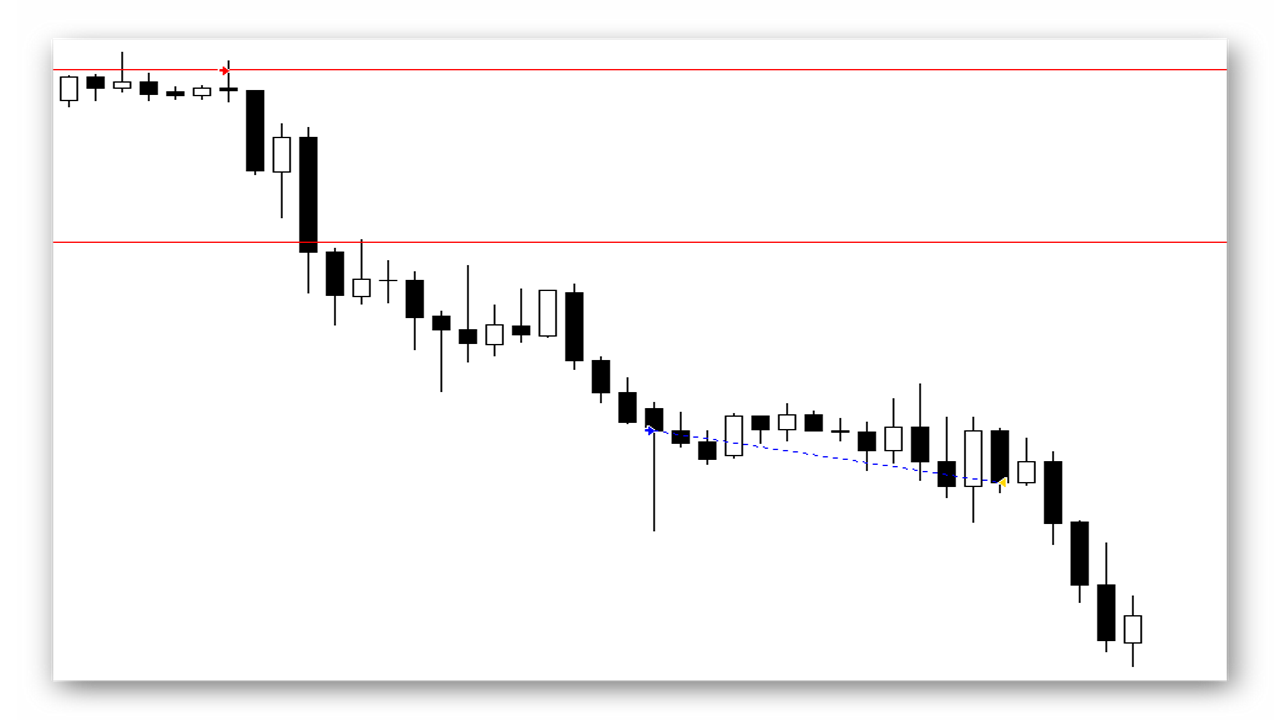
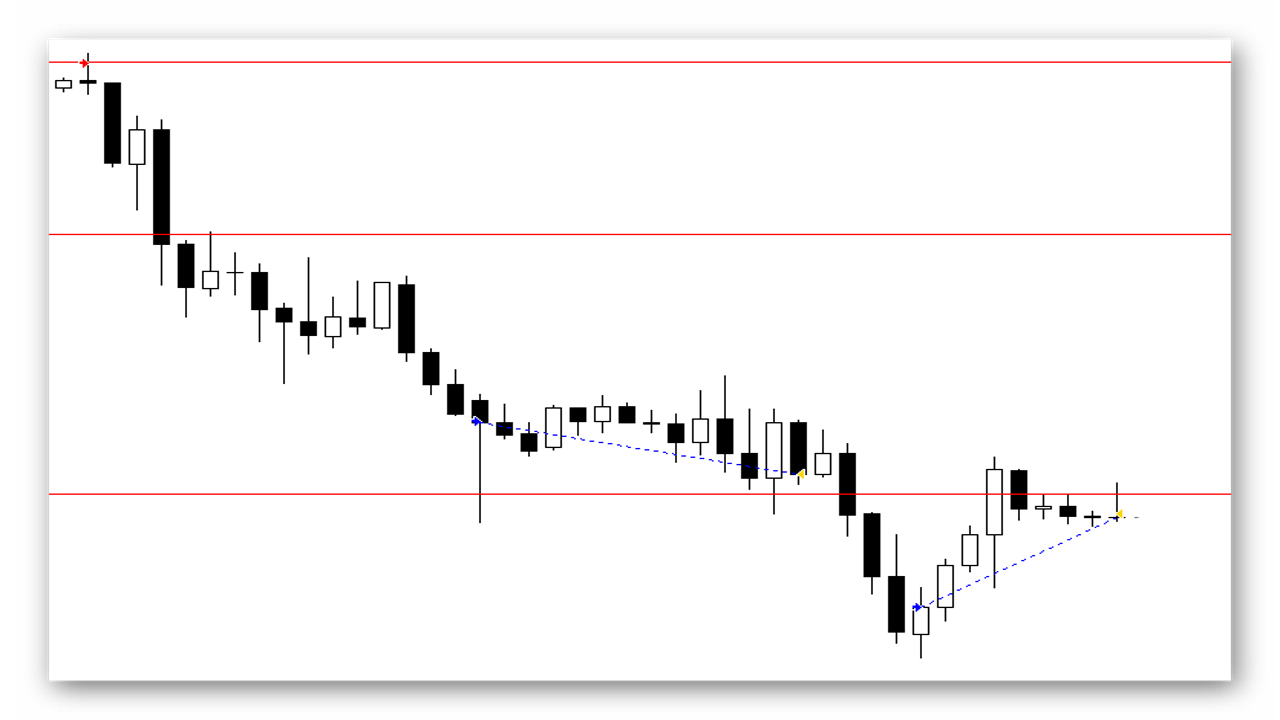
Since we have formed a setup for selling - a pin bar near a key level, the locking order can be closed. Thus, with the help of locking orders, you can earn on corrections, while the main position will continue to follow the main trend.
Conclusion

As is known, the more often you measure the coastline, the longer it turns out to be. Similarly, with the help of locking orders you can catch literally every movement of the instrument. This, in fact, is a multifunctional tool that will help get rid of greed and at the right moment give extra time for reflection so as not to lose funds because of some absurd mistake.
That is, positive locks make it psychologically easier to endure corrections and, from time to time, earn on them. A locking order should be opened when you are overcome by the fear of losing profit, or by a strong desire to close a profitable trade. Instead, you open a locking order and wait for the correction to end. If after the correction the price turns back in the direction of the main trend, you close the locking order and keep the main position. If the correction turns out to be a reversal of the trend, you close the first order and leave the locking one in the direction of the new trend. Also, do not forget about the possibility of placing a pending locking order at some important levels so as not to miss the moment of the correction.
The downside of locking is the need to pay the spread twice, since we have two positions.
Forum discussion
Sincerely, Pavel Vlasov TradeLikeaPro.ru