
Oil Stays Nervous as Hormuz Risk Returns to the Price
Tlapchik

Intro
Oil is again trading with one eye on geopolitics and the other on demand, which is rarely a recipe for calm screens. Brent and WTI are reacting differently today: Brent sits at 88.18 USD, up 0.09% on the day, while WTI trades at 81.43 USD, down 1.29%. The core story is not a clean rally, but a market cautiously adding a supply-risk premium around the Strait of Hormuz, the Red Sea, and Iran-related rhetoric, while still worrying that China’s demand is not strong enough to justify a full breakout.
🛢️ Brent Holds the Geopolitical Premium
Brent is the cleaner expression of global supply risk today, and that helps explain why it is still positive at 88.18 USD, up 0.09% for the session. Traders are not necessarily pricing an immediate disruption, but they are paying for insurance against one, especially when shipping routes and Middle East headlines are back at the center of attention. The market is rebuilding a geopolitical premium, not celebrating a demand boom. Threats and attacks connected to Red Sea shipping, combined with sharper rhetoric around Iran and the Strait of Hormuz, keep the front end of the oil market alert. In plain market language: nobody wants to be heavily short crude when one headline can make the chart jump like it stepped on a warm keyboard.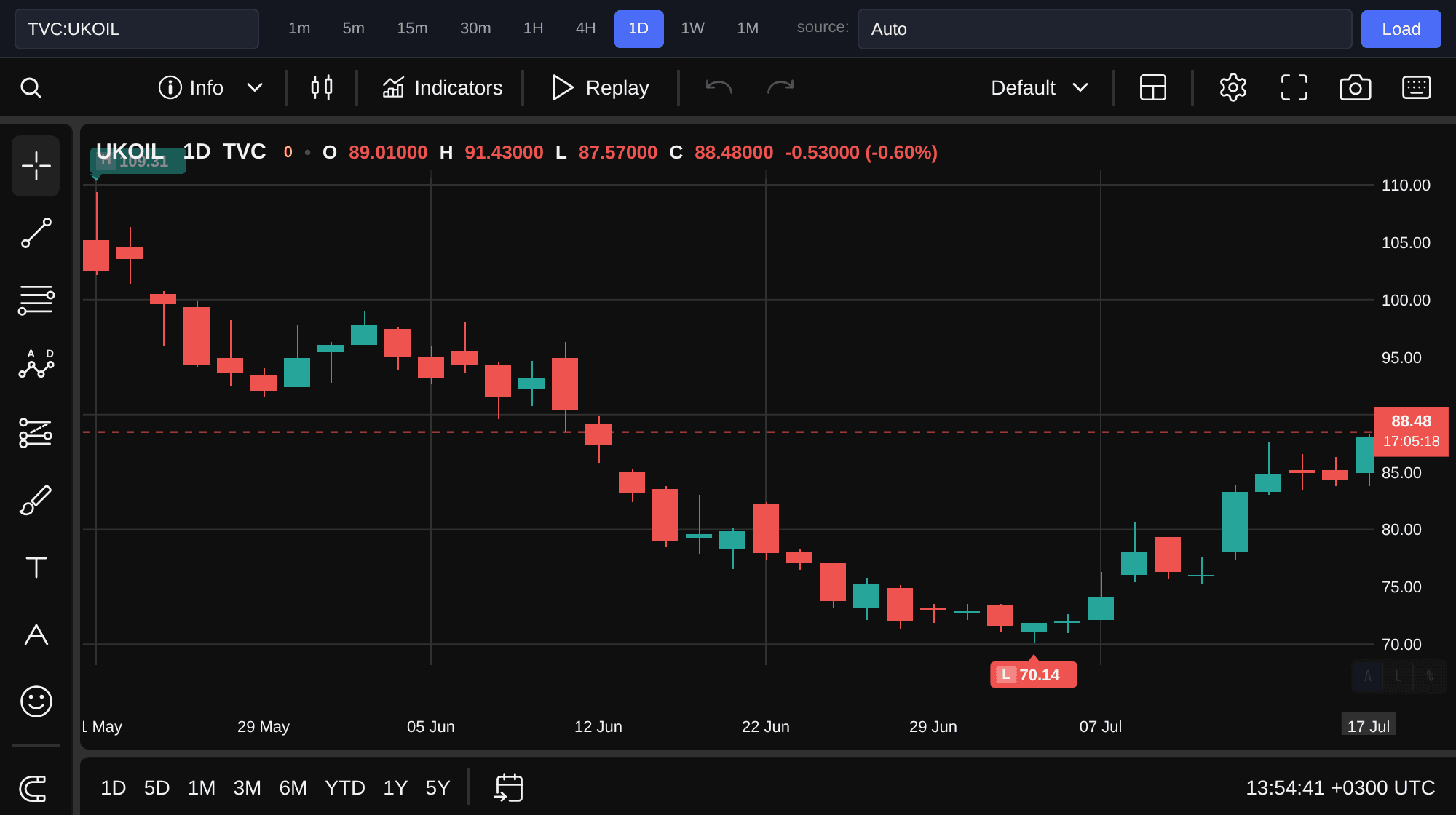
⚓ Hormuz Risk Is a Headline Trigger, Not a Base Case
The Strait of Hormuz matters because it is a critical artery for seaborne oil flows, so even talk of escalation tends to move risk models quickly. The important nuance is that the market is not yet treating a major disruption as the central scenario; it is treating it as a tail risk that deserves a premium. A credible Hormuz headline could trigger a sharp short squeeze, especially if positioning is complacent. That does not mean every tense statement should be traded as a structural oil shock. Without confirmed supply losses, tanker delays, or a measurable change in flows, the price reaction can fade as quickly as it appears.
📉 WTI Shows the Demand Problem Under the Surface
WTI’s move tells the quieter but important side of the story: at 81.43 USD, down 1.29% on the day, the U.S. benchmark is not fully joining Brent’s geopolitical bid. That divergence suggests traders are separating global supply anxiety from local and demand-sensitive pricing pressures. Weak China demand expectations are limiting the upside for the whole oil complex. When the market doubts the strength of marginal demand, geopolitical risk can lift prices, but it struggles to create a durable trend on its own. This is why today’s tape feels nervous rather than decisively bullish.
📊 What Traders Are Actually Watching
For traders, the practical question is whether the next move comes from supply headlines or from demand data. If news around the Red Sea, Iran, or Hormuz escalates into visible disruption, Brent could react faster than WTI because it is more directly tied to global seaborne risk. If the headlines cool, attention should rotate back to inventories, refinery demand, China indicators, and the shape of the futures curve. The balance of risk is asymmetric in the short term, but the medium-term trend still needs confirmation from real barrels and real demand. That is the day’s less glamorous but more useful takeaway.Conclusion
The oil market is not in a full panic and not in a clean rally. Brent at 88.18 USD, up 0.09%, shows that traders are still willing to pay for geopolitical protection, while WTI at 81.43 USD, down 1.29%, shows that demand concerns remain heavy enough to cap enthusiasm. The day’s conclusion is simple: Hormuz risk can move prices quickly, but without actual supply disruption, weak China demand and inventory signals remain the ceiling for bullish conviction. Practical Forex takeaway: test the rule on a demo account, write it into the trading plan, and apply it consistently before every trade. Practical Forex takeaway: test the rule on a demo account, write it into the trading plan, and apply it consistently before every trade. Practical Forex takeaway: test the rule on a demo account, write it into the trading plan, and apply it consistently before every trade. Practical Forex takeaway: test the rule on a demo account, write it into the trading plan, and apply it consistently before every trade. Practical Forex takeaway: test the rule on a demo account, write it into the trading plan, and apply it consistently before every trade. Practical Forex takeaway: test the rule on a demo account, write it into the trading plan, and apply it consistently before every trade. Practical Forex takeaway: test the rule on a demo account, write it into the trading plan, and apply it consistently before every trade. Practical Forex takeaway: test the rule on a demo account, write it into the trading plan, and apply it consistently before every trade.#oil prices#Brent crude#WTI crude#Strait of Hormuz#Red Sea shipping