
The Market Reprices the Fed, Tests BTC ETFs, and Listens to OPEC+

Introduction
Today the markets resemble a waiting room before an important announcement: everyone has already taken their seats, but each person is listening for their own door. Some are watching inflation and the Fed rate path, others are checking whether institutional demand has returned to Bitcoin, and still others are catching signals on oil and possible OPEC+ actions. The overall picture is not about one big reversal, but about several points where price reacts quickly to expectations, rumors, and first confirmations.

🏦 Fed: the market again shifts the timing of easing
Fresh inflation data shifted market expectations toward an earlier Fed rate cut. According to the logic of CME FedWatch, rate futures are more actively pricing in a scenario in which the regulator may be able to move to easing earlier than the market was ready to admit before the statistics were released. This matters precisely as a change in pricing, not as a decision already made. Bloomberg and market discussions on X are noting talk about possible softer signals from individual FOMC members. But for now this is not a promise from the regulator, but the market's attempt to arrange the chairs in advance before a press conference where no seating plan has yet been announced. The market is again buying the scenario of an earlier Fed pivot, but the Federal Reserve still needs confirmation on inflation. For risk assets, the mechanism is clear: the closer a potential rate cut is, the softer future financial conditions are perceived, and the more willingly investors look at long growth stories. But the Fed spent a long time convincing the market not to celebrate victory over inflation too early, so one good macro signal should not automatically turn into a full policy reversal. The next FOMC comments will be almost as important as the data themselves. If officials confirm a calmer view of inflation, the repricing may deepen. If they start cooling expectations, the market will have to remove part of the fresh optimism from prices. The main risk for traders now is confusing a probabilistic shift in futures with a guaranteed Federal Reserve course..
₿ BTC ETF: inflows have returned, but price argues
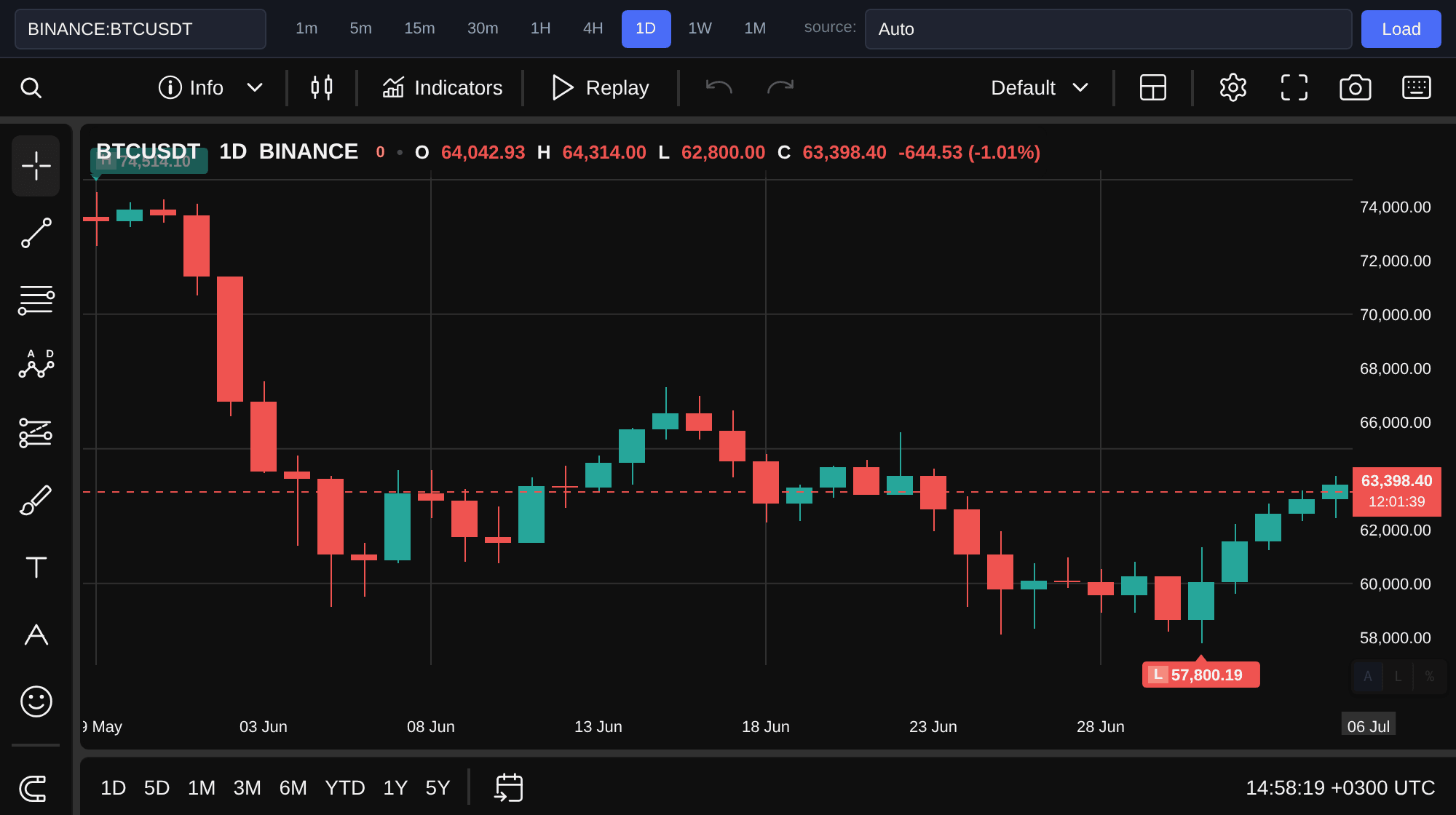
After a week of outflows, the new inflow into spot BTC ETFs looks like a noticeable change in tone. According to data and discussions around Farside flows, CoinDesk, and trading Telegram channels, large funds are again building positions, while the market is trying to understand whether this is the start of sustained demand or simply a technical rebalance after a weak week. The contrast is that Bitcoin itself has not yet confirmed this story with confident growth. At the time of writing, Bitcoin (BINANCE:BTCUSDT) is trading at 63 308, with the daily change at -1.15%, meaning the ETF flow is there, but there is still no clear bullish signal in the price. ETF inflows matter, but with BTC at 63 308 and a daily move of -1.15%, this is still more a test of demand than a ready bullish verdict. It is also worth keeping some distance from talk about insider rebalancing ahead of a new halving narrative. Such versions may explain part of the positioning, but they are not confirmed facts, rather market cuisine where the aroma may be appealing, but the bill is still worth checking carefully. What matters more for the market is not the legend itself, but whether real capital inflow can steadily absorb spot selling. For traders, the main test is simple: if inflows persist for several sessions in a row and begin to coincide with price stabilization, the signal will become stronger. If BTC continues to fall despite fund activity, the story will look more like a temporary portfolio reshuffle than the start of a sustained move higher. Here the flows and price need to be watched together, not one attractive headline about the return of demand..

🛢️ Oil: OPEC+ added a rumor premium
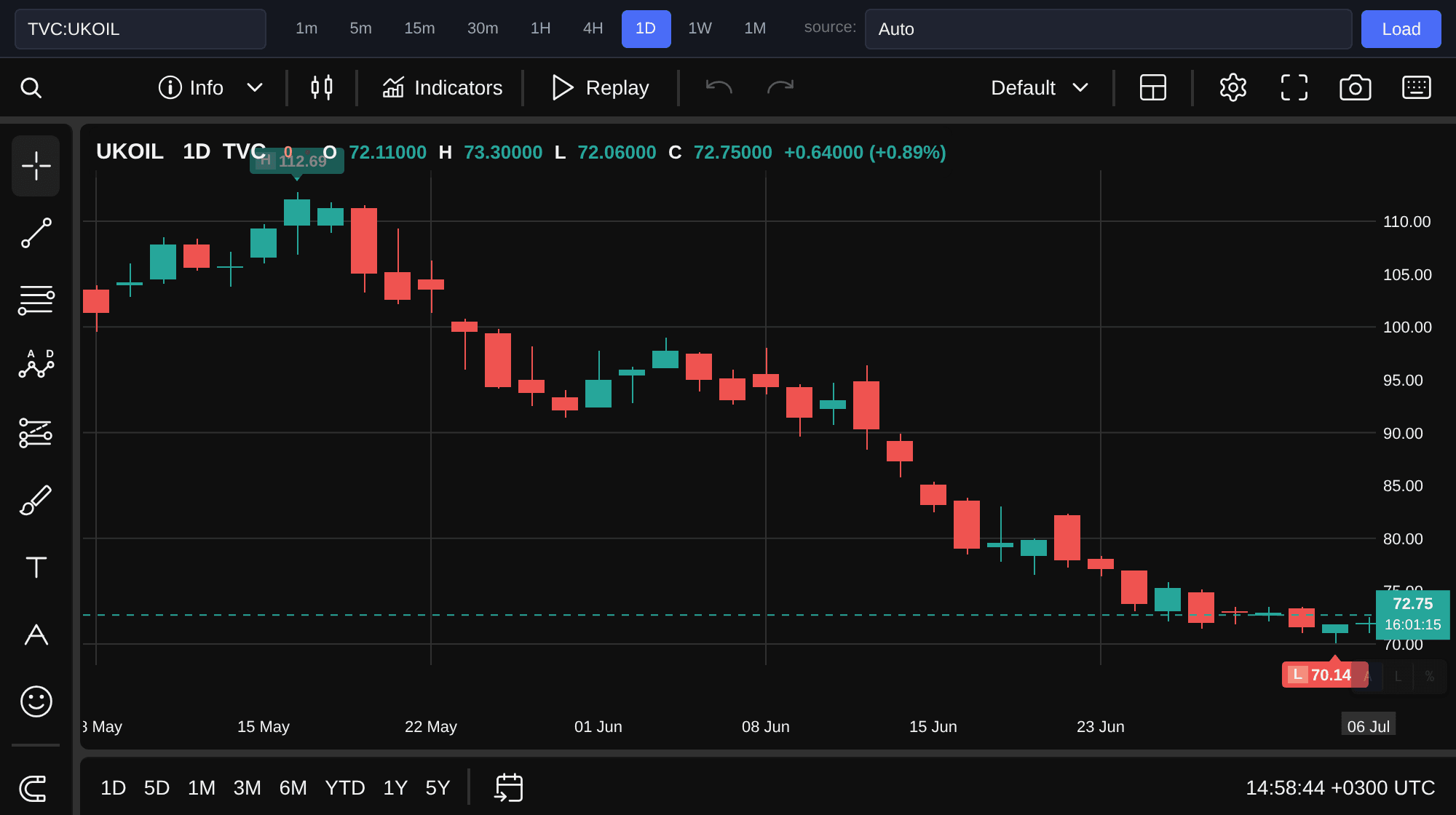
Oil found support after unconfirmed reports of a possible unscheduled OPEC+ meeting and discussions about adjusting quotas. Brent (TVC:UKOIL) is at 72.61 USD, with the daily change at +0.86%, while WTI (TVC:USOIL) is trading at 69.01 USD with a daily move of +0.67%. The move does not look panicked, but it is precise enough to show the market's sensitivity to the supply theme. Energy desks and a Reuters-like agenda will now be watching not the noise itself, but confirmations. The focus will be on an official meeting announcement, a possible change in wording on quotas, and whether this will affect real supply volumes. The rise in Brent to 72.61 USD and WTI to 69.01 USD shows that the market heard the rumors, but without OPEC+ confirmation this remains a risk premium. The main debate now is whether potential producer support is already priced into the current level or whether the market can still add a premium if official signals appear. If the reports are not confirmed, part of the rise may quickly reverse. If OPEC+ really signals a tougher stance on supply, the reaction will stop being just a headline-driven move. For oil, not only the possibility of a meeting matters, but also the quality of the subsequent wording. The market will assess whether this is about real production discipline or a verbal signal to stabilize sentiment. While there are no confirmations, the rise in Brent and WTI should be read as cautious insurance against a tougher producer line..

📊 Big picture: risk is returning selectively
Together, these stories show a market that is ready to look toward risk again, but is doing so not in a broad wave, rather through individual bets. In Fed rates, participants are buying the probability of softer policy; in Bitcoin, they are testing the durability of institutional demand through ETFs; and in oil, they are pricing in the chance that producers may defend the price more actively. The day's overall link is not that investors have suddenly become unconditionally optimistic. Rather, the market is trading conditional scenarios, where each needs its own kind of confirmation: the Fed must soften its rhetoric, ETF inflows must become sustained, and OPEC+ must move from rumors to official signals. The key regime of the day is not confidence, but a repricing of probabilities where data, flows, and policy can quickly change the balance. That is why the strongest stories are not the loudest headlines, but those where price, positioning, and confirmed information begin to align. While such alignment is not yet fully present, the market remains sensitive to new comments, statistics, and official messages. For short-term participants, this means handling impulses more carefully. Today's moves can be used as a map of market interest, but not as a final verdict on rates, Bitcoin, or oil. If FOMC rhetoric becomes softer, ETF inflows take hold, and OPEC+ gives an official signal, then the day's reactions will receive a firmer foundation. Until then, the basic approach is to check every story through confirmation, not through the loudness of discussion..
Conclusion
The day does not give one big signal, but it clearly shows three sensitivity zones: the Fed rate path, institutional demand for Bitcoin through spot ETFs, and supply discipline in oil. The practical focus for the near term is the rhetoric of FOMC members, the durability of inflows into BTC ETFs after the first reversal, and official OPEC+ messages on a possible meeting or quotas. While confirmations are insufficient, the market is trading not facts, but the probability that today's expectations will become tomorrow's agenda.