
Is It Worth Trading Metal CFDs?
 Even 10 years ago, many private traders could not make money trading metals, because the corresponding futures traded on COMEX and the London Exchange were among the most "expensive" instruments available, with a high tick value and strict margin requirements. The situation began to change dramatically after the 2009 crisis, when large dealing centers started entering the retail financial-services market and, in addition to currency pairs, began offering contracts for difference on underlying assets (CFDs).
At first, such contracts were used to profit from exchange rate fluctuations of popular stocks, but later it became obvious that the commodity market provides much more opportunities, both for speculative earnings and in terms of forming long-term investment portfolios.
Currently, CFDs on metals are presented in the specifications of many Forex brokers, while their main distinguishing feature is fractional lots, thanks to which a private trader can open positions with a small initial capital. Today we will look at the features of trading with these instruments.
Financial markets

The financial market consists of the money market and the capital market. This is due to the different nature of the financial resources serving fixed and working capital. The money market circulates funds that ensure the movement of short-term loans. In the capital market, there is a movement of long-term savings.
The stock market operates within the financial market. On it, the object of trade are securities, the value of which should be determined by the assets behind them. The securities market serves both the money market and the capital market. But securities serve only part of the movement of financial resources (in addition to them, there are also intra-company and inter-company loans, direct bank loans, etc.).
The movement of funds in the financial market is directed from savers to users. Through the financial market, financial resources can be transferred from one sector of the economy to another. There are 4 sectors in total: households, commercial firms, the public sector and financial intermediaries. Most of household capital is formed from their own funds. It is here that the main surplus of financial resources is formed, directed to finance commercial firms, the state and placed in financial institutions (investment funds, banks, etc.).
A characteristic feature of the development of market relations is the rapid development of the financial market and all its links. The modern financial market is a seven-block system of relatively independent links. A link is a market for a certain group of homogeneous financial assets. These parts of the financial market include the money market, the loan capital market, the real estate market, the foreign exchange market, and the metals market.
To form an investment portfolio, investors often use different instruments - stocks, bonds, mutual fund units, currencies, and metals. Metals are essential tools for long and medium term investors, which provide protection against inflation and severe market fluctuations. On the global market, precious metals (gold and silver) are a liquid instrument that is used by private investors, management companies, and hedge funds to diversify portfolios.
Metal market

All metals are divided into two large groups - ferrous and non-ferrous. In particular, the first category usually includes iron, manganese and chromium (the latter option is controversial, but experts adhere to this classification), as well as all alloys that contain the listed elements.
According to official statistics, ferrous metallurgy accounts for about 90% of all products produced in the industry, so logic dictates that futures for iron ore and rolled products should be especially popular on the exchange market.
However, most steel-supply contracts are concluded directly between the supplier and the buyer, bypassing the exchange, so the liquidity of the futures market still leaves much to be desired. For the same reason, brokers are in no hurry to introduce CFDs on iron and steel, since there would be no real client demand for them anyway, while the risk would increase many times over because hedging the aggregate position is very problematic.
The situation is completely different with non-ferrous metals (also called “non-ferrous”). Let us remember that this category includes all metals on the surface of which a thin oxide film is formed, protecting the element from further exposure to an aggressive environment.
On the exchange market, the following are especially popular in this category: gold, silver, platinum, palladium, copper, aluminum, zinc and nickel.
The precious metals market consists of the following sectors:
- gold market;
- silver market;
- platinum market;
- palladium market;
- market for precious-metal products;
- market for securities denominated in gold.
As a systemic phenomenon, the precious metals market can be viewed from two points of view: functional and institutional.

From a functional point of view, the market for precious metals and precious stones is a trade-and-finance center where trading and other commercial and property transactions involving these assets are concentrated. From this perspective, the precious-metals market should support industrial and jewelry demand for precious metals and stones, the creation of the state gold reserve, hedging against currency risks, and profit from arbitrage transactions.
From an institutional point of view, the precious-metals market is a collection of specially authorized banks and precious-metals exchanges.
The precious-metals market includes the entire range of relationships between market participants at the stages of exploration, extraction, processing, and so on, all the way to the final manufacture of precious-metal products.
The most common metals on the market are definitely gold (XAU) and silver (XAG). The gold market is the most liquid, since it is very susceptible to economic and financial changes (especially increases/decrease interest rates). In addition, gold has a high correlation with leading world currencies, in particular the euro and the US dollar.
The price of metals is fixed twice a day at 10:30 and at 15:30 in US dollars per troy ounce. Prices are fixed by the London Metal Exchange and are the official prices used by everyone from market participants to mining companies and central banks.
Global supply and demand has a significant impact on the cost of metals. Thus, with an increase in demand, prices for metals will decrease, and, accordingly, vice versa - with weak demand, the cost of metals will increase. However, this effect occurs primarily in the long term and does not change short-term prices in any way.
Any changes/fluctuations in the economy that are reflected in the reports of unemployment, GDP, manufacturing activity and whether there is a decrease or increase interest rates influence the price of metals due to the fact that market participants give preference to safe assets, which are metals.
China occupies a leading position in the production of metals such as gold, copper, and aluminum. Consequently, any changes in the production of this country will immediately affect the cost of metals.

In addition, copper is used in all areas of industry, which means the price of the red metal may depend on the situation and industry trends.
Trading in metals such as palladium and platinum is much less widespread than trading in gold and silver. They are characterized by extremely insignificant volatility, therefore, interest in them, as a rule, is shown by the most conservative market players.
The interbank non-cash metal market includes a wide range of trading operations:
1) "Spot" transactions are carried out on spot terms, meaning the crediting-debiting date falls on the second business day after the trade is concluded. All other metal purchase-and-sale transactions are classified as "outright" transactions.
The Loco-London spot price serves as the basis for price calculations that underlie all other transactions.
The standard transaction volume in gold on spot terms on the international market is 5 thousand troy ounces, or 155 kg; in silver - 100 thousand troy ounces (called one LEK, 50 thousand troy ounces - half LEK), or about 3 tons; in platinum - 1000 troy ounces.
2) "Swap" transactions (swap means "exchange") are the purchase and sale of metal with the simultaneous presence of the reverse side of the transaction. A standard swap transaction is 1 ton, or 32 thousand ounces.
3) Deposit operations. They are carried out when it is necessary to attract metal to an account or, conversely, place it for a certain period. Deposit rates on gold are lower than deposit rates on foreign currency (the difference is about 1.5%), which is explained by lower liquidity compared to foreign currency.
4) Option - the right (but not the obligation) to sell or buy a certain amount of gold at a certain price on a certain date or during the entire agreed period. Such transactions are used for hedging.
5) A futures contract is an agreement between counterparties on the future supply of metal, which is concluded on the exchange. The execution of all transactions is guaranteed by the Exchange Clearing House.
In world practice, gold futures contracts are traded on several exchanges: Comex (New York) and Nimex (New York); platinum trading: Simex (Singapore), Tokom (Tokyo), Luxembourg Gold Exchange.
6) Forward transactions provide for the actual purchase or sale of metal for a period exceeding the second business day. The purpose of entering into a forward transaction by the buyer is to insure against future increases in the price of the metal on the spot market. The purpose of concluding a forward transaction by the seller is to insure against a future decrease in the price of the metal on the spot market.
Where are metals traded?

Despite the development of high-tech industries and the development of more and more new types of metal substitutes, the price of final industrial products continues to be highly dependent on metal prices. In addition, as a result of the improvement and expansion of the use of certain non-ferrous metals, there is increasing interest in such types of raw materials as aluminum, nickel, platinum and others.
Historically, the two largest trading centers for precious metals have been London and New York. The first is known as the oldest center; in addition, the volume of metal trading in London is the largest in the world. The second became famous for the large volumes of futures contracts for metals, which are traded on NYMEX (New York Mercantile Exchange, translated as the New York Mercantile Exchange).
London Metal Exchange LME
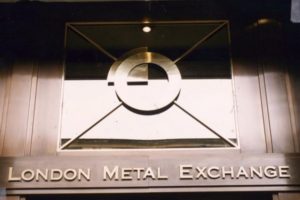
Like other commodities, the value of non-ferrous metals is determined on exchanges such as the London Metal Exchange, the Shanghai Futures Exchange, and the Brazilian Commodity and Futures Exchange. As the exchange market developed, trading in metals moved from forward contracts to futures contracts. The largest trading platform (by trading volume) is the New York Mercantile Exchange (NYMEX). In 1999, NYMEX was included in the top ten largest futures exchanges.
Since 1919, the price of the so-called “London fixing” has been the main reference point for traders around the world and is used in all contracts concluded for the physical supply of metals. That is, in fact, it is in London that the price of gold and silver is determined.
Metals that are traded on the London Metal Exchange are copper, aluminum, lead, zinc, nickel, tin, platinum and palladium.
Trading on the LME is divided into two sessions. During the morning session
"live trading" (trading on the floor) takes place, and it is on this basis that
official metal quotations are established. During the day session, trading continues in
aluminum alloys and TAPOs (average trading price options), and the
concluded contracts are processed.
The LME trades six main non-ferrous metals: aluminum, copper, zinc, nickel, lead, titanium, and silver, as well as aluminum alloys. The lot size ranges from 170 kg for silver to 25 tons for aluminum and copper.
Metals traded on the exchange must be classified by the exchange.
The LME metal trademark is an officially registered trademark of the metal manufacturer. To register a trademark, it is necessary to complete numerous procedures - for example, obtain letters of recommendation from two generally recognized metal consumers, quality certificates from official control organizations.
Metal on the London Exchange meets the quality requirements of the LME standard contract, is stocked in lots and placed in LME registered warehouses, most of which are located in ports in Western Europe and the east and west coasts of the United States (potential consumers should take into account transport costs for delivery to their destination). This explains the difference that arises between the price at other retail outlets and the official price on the LME.
New York Mercantile Exchange NYMEX
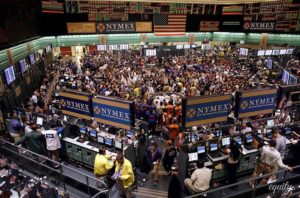
This is the New York Mercantile Exchange, which specializes in trading futures and options on various commodities, including precious metals.
Today, metals such as gold, silver, copper, zinc and aluminum are traded on the stock exchange. Since exchange centers for trading metals are located in Tokyo, Sydney, Zurich and Hong Kong, it is possible to trade metals 24 hours a day.
Price formation on the New York Mercantile Exchange occurs on the basis of completed trades. Retail prices and the global situation in the world are the main factors in the dynamics of commodity prices.
New York "Comex" Exchange
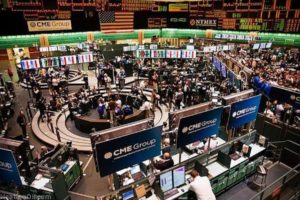
Comex is one of the divisions of the New York Mercantile Exchange and focuses mainly on trading futures and options on underlying assets.
Nymex specializes in trading energy resources and precious metals such as platinum and palladium.
Exchange trading in Russia

In Russia, exchange trading in precious metals is in its infancy. The Russian government began to pay attention to the development of the precious metals market and the need to create a national exchange market in this context only in the late nineties of the last century. However, today the development of this problem at the federal level leaves much to be desired due to the lack of clear and coherent mechanisms for the practical implementation of elements of exchange trading in precious metals in Russia.
Gold
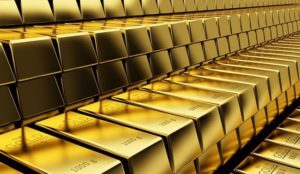
From year to year and from decade to decade, buying gold remains a favorite way to save savings, the relevance of which increases during periods of economic instability. The gold rate does not experience short-term fluctuations, so an instrument such as XAU is very attractive for conservative traders.
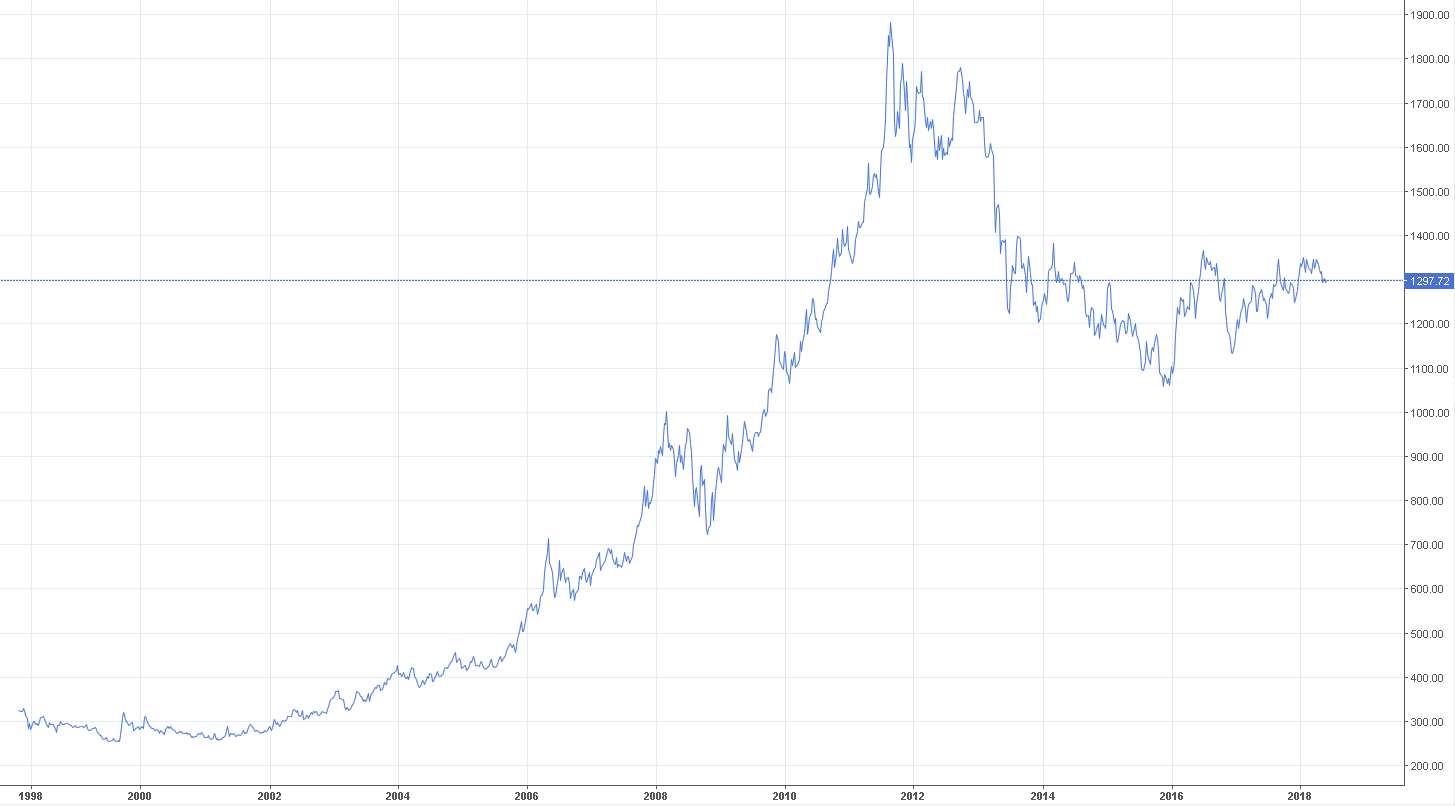 Gold is a metal with unique properties that is found on the planet in limited quantities. In its pure form it is quite soft, malleable, and plastic. Its color is yellow and it is this property that gives it the Latin designation Aurum. In a very thin sheet it gives off a little green, and in 999.9 proof it can have a slight reddish color. Gold belongs to a group of metals that is not subject to corrosion and oxidation processes, along with platinum, palladium, silver, ruthenium, rhodium, osmium, and iridium. This is a metal with increased density, so the ingots weigh much more than we might think. The jewelry market uses gold of various grades, which are measured in numbers or carats. The lowest grade is 300, it is not used in all countries and contains a very large percentage of impurities. The best grade is considered to be 750, which contains 75% noble metal and 25% impurities that give the metal strength and external characteristics that are not inherent to it.
In banks and gold and foreign exchange reserves, gold is stored in bars or coins that correspond to the gold content of 999.99, which is 24 carats or 1000 fineness. There is even purer gold - 99.999 - but it is very expensive, since the purification procedure is very difficult and expensive.
Gold has very high volatility, so it requires a calm attitude and a thoughtful approach. After a relatively long fall in price, the likelihood that gold will return to its previous high positions and even exceed them is very high.
There are no special trading strategies for transactions with precious metals: any trading system is applicable to trading in precious metals, since all components trading strategies:technical indicators, linear technical analysis tools,moving averages react to changes in the price itself, regardless of the type of trading instrument.
Gold has always been an indicator of the performance of the global economy. During the period of its growth, when consumption grows and, following it, all sectors of the economy rise, the price of gold falls. And, conversely, in the event of economic stagnation, rollback or recession, gold is perceived by investors as the most stable and liquid store of capital.
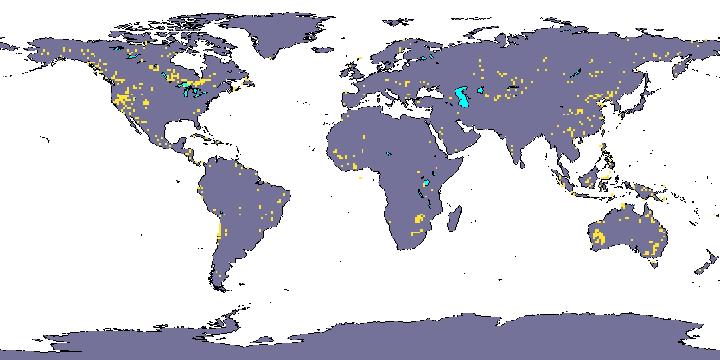 Above you can see a map of the world's gold deposits.
The main levers that determine the rate of gold relative to other currencies are as follows:
- macroeconomic factors. In recent years, the global economic crisis has had a huge impact on both exchange rates and the cost of precious metals, and gold in the first place. No matter how strange it may sound, it is thanks to the crisis that the price of gold rises with enviable stability;
- prices for energy resources such as oil, gas, coal, etc. Oil occupies the top position on this list and most rates are tied to it;
- the US dollar exchange rate, which is the most convertible currency in all countries of the world;
- the geopolitical situation, which, like other factors, affects price increases and currency fluctuations. An example of this is a series of political upheavals in the Middle East, which provoked a jump in the price of gold on the stock exchange. The current situation in Ukraine also affects the variation in the price of gold.
Those who are starting their work in the field of exchange games from scratch should simply take into account two simple rules, and subsequently be guided by them in their work:
- When oil prices rise, so does the price of gold;
- When the US dollar falls, the price of gold rises, and vice versa.
Price stability and high demand for precious metals determine the high profitability of this type of investment.
Trading gold has the following advantages:
- low probability of a significant decline in quotations;
- market stability;
- high liquidity;
- low risks;
- the ability to plan for the long term;
- good predictability of quotations.
Silver

Silver has greater volatility than other precious metals, meaning its price fluctuates significantly. At the same time, it is a safer asset compared to depreciating currencies, which often makes it an obvious investment choice. The precious metals market does not experience short-term, unexpected price fluctuations throughout the day, so the likelihood of making predictable profits when trading silver is quite high.
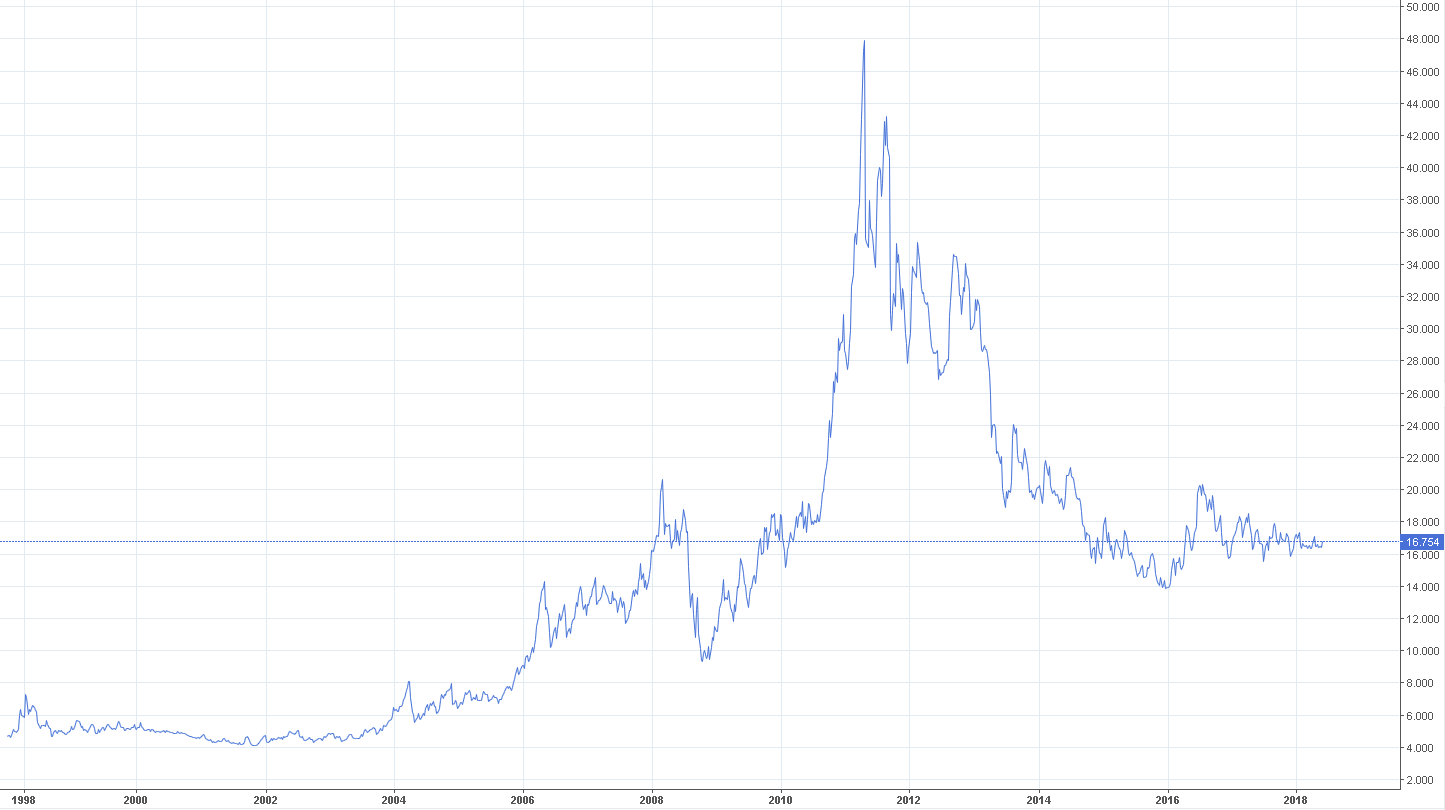 Strategies for concluding transactions for the purchase/sale of this metal are more effective compared to gold. Silver tends to have higher price fluctuations, which makes it possible to make forecasts for a shorter period. Such forecasts can be useful because silver is more susceptible to external and internal factors than gold.
Firstly, global industry plays a large role in the pricing of this metal. Silver mining companies, as well as its main buyers, shape supply and demand in the market. Therefore, when forecasting price movements, it is necessary not only to monitor the general trend in the high-tech and mining industries, but also to pay attention to individual situations. Production problems of one of the main suppliers or attracting investment in its mining business may cause corresponding fluctuations in the market.
Secondly, the price of silver depends on the main factors of the world economy - inflation, GDP growth, refinancing rates and decisions of the world's central banks. During periods of economic turmoil, metal prices jump as more investors seek to protect their capital from the frenetic movements of the foreign exchange market.
Finally, silver is not a limitless resource, which means that its prices will continue to rise over the long term. In recent years, its value has tripled, and analysts predict a further upward trend for this metal.trend.
Unlike trading in gold, transactions involving silver do not require as much capital. At the same time, a relatively wide price fluctuation corridor allows you to make good profits even when trading small volumes. In this case, the potential dividends in the medium term may be higher than those of gold transactions.
It is best to purchase silver during economic crises, as well as at times of strong “overbought” in the market. Silver trading attracts traders due to the following advantages:
- Low probability of price collapse;
- Market stability;
- High liquidity;
- Higher volatility compared to gold;
- Relatively low risks;
- Possibility of long-term planning;
- Predictability of price movements.
Silver, due to its link to industrial consumption, tends to trade closer to the movements of other assets. When there is a so-called bullish market, silver outperforms gold, delivering higher returns. However, with a “bearish direction”, the price losses will be greater. In this regard, you should carefully monitor quotes, stay updated on global economic news, study the market you are interested in and trust your experience.
Copper
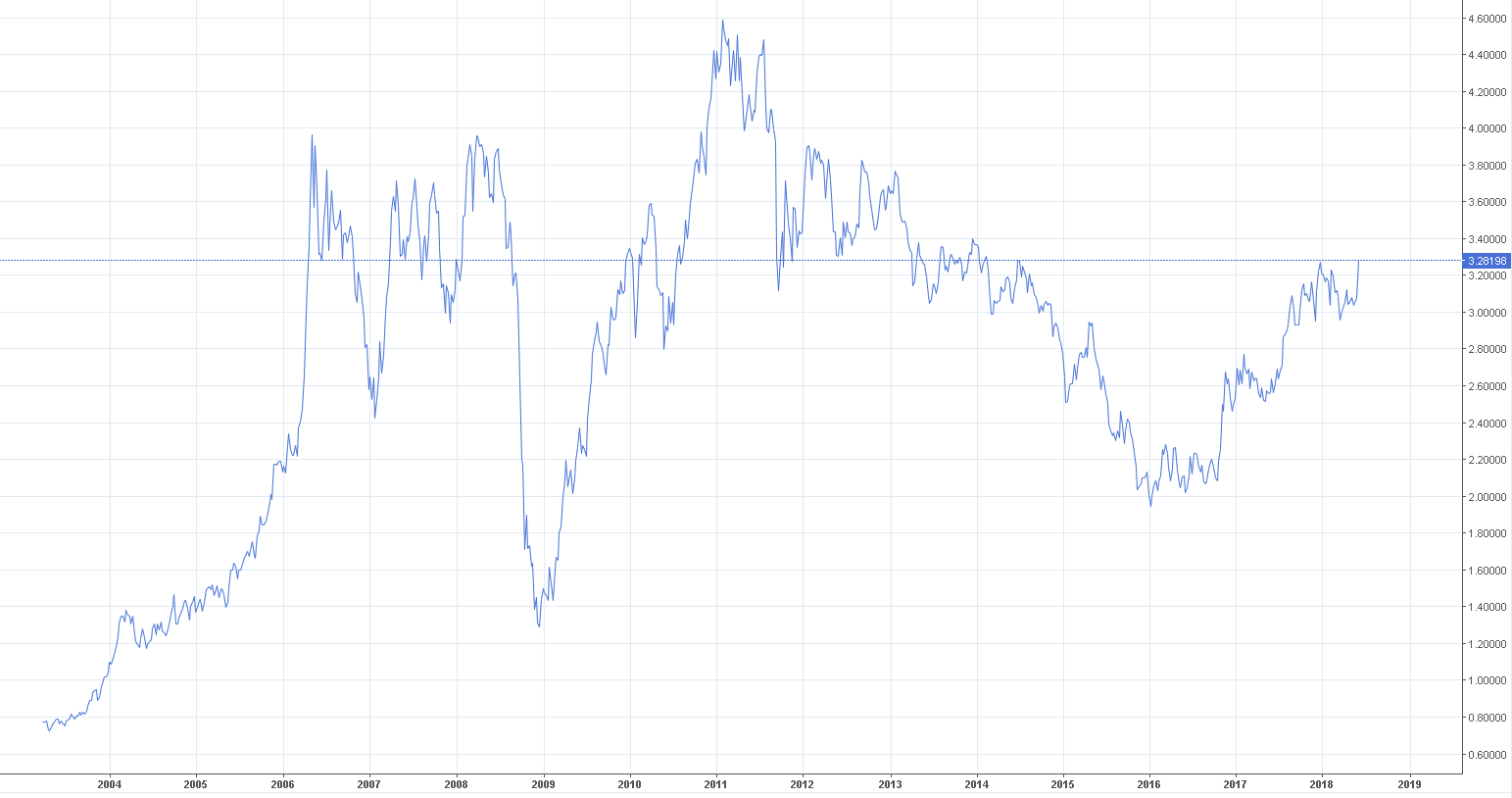
Without a doubt, the most important and popular (from a speculative point of view) non-ferrous metal is copper, represented in the terminals under the ticker HG. This instrument is attractive primarily for its technicality, which is why many traders successfully trade CFDs of the same name without taking into account fundamental factors.
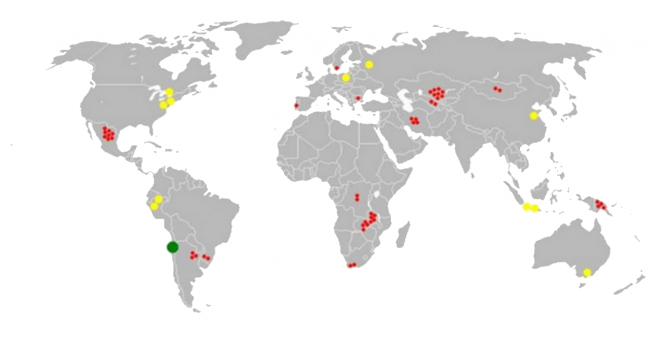
 As you can see, the richest deposits of the red metal are located in Chile, so events in this country have a direct impact not only on the actual balance of supply and demand in the real market, but also on the actions of speculators.
 Examples of such important news include:
- Press releases from large corporations about their intention to open/close mines;
- Workers' strikes;
- Messages about the introduction or abolition (reduction) of customs duties;
- Devaluation of the Chilean peso;
- News about earthquakes and mudflows (natural disasters can paralyze the work of mines; after all, Chilean deposits are located in a seismic zone), etc.
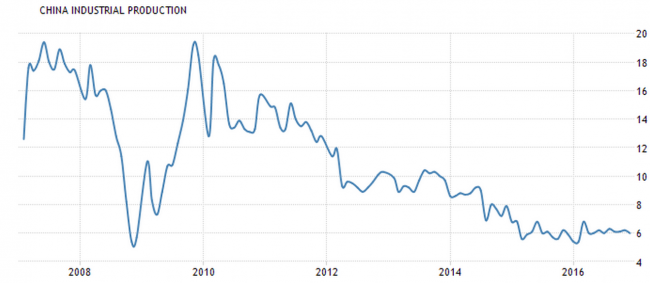
If the news front is completely calm, China, the largest producer of electronics, wiring and other products in which copper is the main component, can give a hint about the direction of medium- and long-term trends.
As a rule, copper becomes more expensive against the backdrop of rapid growth in industrial production, and the market enters a bearish phase after the Chinese economy slows down. To identify these trends, the Industrial Production indicator is usually used.
 In addition, copper prices are highly dependent on the situation in the construction industry, since when constructing new buildings, a lot of metal is spent on creating electrical wiring. Of course, this demand is indirectly reflected in Industrial Production, but for a more accurate assessment it is better to look at the publicly available indicator “Newly Built House Prices”, which reflects the mood in the real estate market.
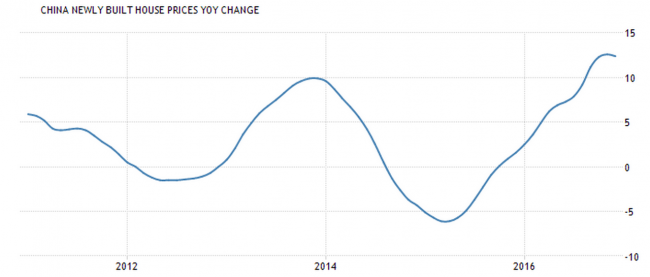 The higher the index, the more attractive the market for new home construction becomes. If the indicator falls, this is a clear sign of industry stagnation, and in such a situation, developers would rather use old warehouse stocks than place new orders for materials.
And another important factor that must be taken into account when trading CFDs on copper is related to seasonality. Let us remember that this term refers to trends that repeat almost every year. As a rule, such patterns are formed due to climatic factors, the actions of investment funds and manufacturing corporations (an example is a situation where a company places orders for materials at the same time of year).
As you can see, copper tends to enjoy seasonal demand from mid-November through April 25, while sell-offs are often observed from August 1 through November 15. Microtrends also form in May, June, and July, but the probability of them playing out leaves much to be desired.
Of course, seasonality is not “Grail“and is not a panacea for all “trading” diseases. It only seems at first glance that it is enough to buy/sell an asset during the designated periods, after which the market is simply obliged to move in the right direction.
Ideally, you should combine the seasonality listed above fundamental factors and technical markings (for example, direction moving average, oscillator values, etc.). Only a comprehensive analysis will allow an accurate assessment of the current balance of forces and the potential of the movement.
Aluminum

This metal is widely used in all industries, in particular, it is used to make building materials and structures (in North America, such demand accounts for about 20% of total consumption), cables, packaging materials, marine vessels, and chemical reagents. But the biggest expense is in the aerospace industry.
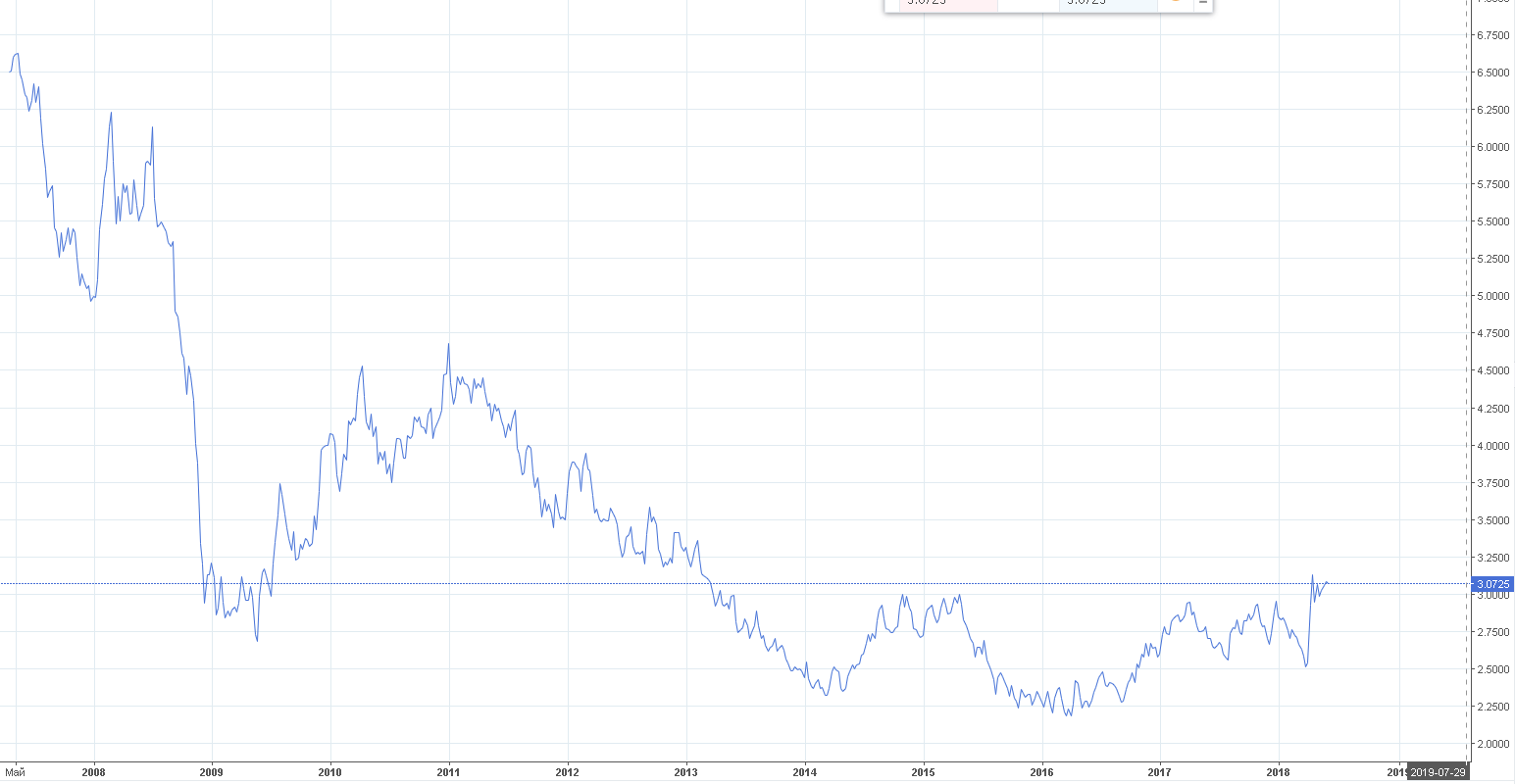 The fact is that aluminum structures are among the lightest, therefore, together with titanium, they have become an integral component of aircraft and spacecraft. Unfortunately, there are no CFDs for titanium, so you will have to limit yourself to trading Al.
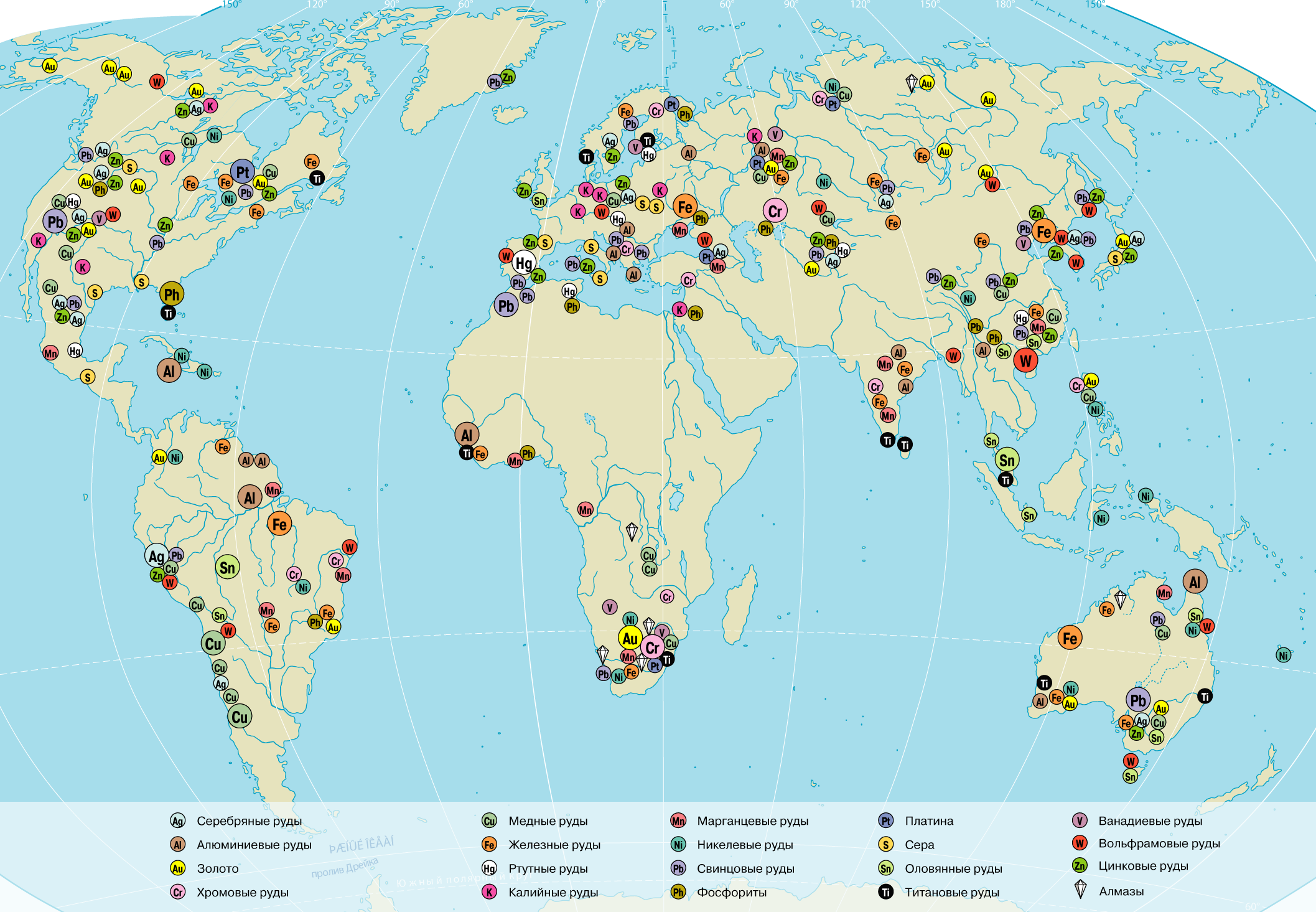 The industry “peak” of aluminum production was reached in 2007-2008, after which, against the backdrop of the crisis, production volume fell by half. This trend has become a “guide” for the aluminum market.
It should be noted that in the future, over the next 15 to 20 years, a new supercycle may begin in the aluminum market due to humanity's exploration of the Solar System. Indirect signs of this trend are already visible today: even Boeing, which long specialized primarily in aircraft production, has begun assembling spacecraft. That says nothing of the development of other corporations that were created from the outset to move beyond Earth's orbit, such as SpaceX.
As for other industries for which aluminum is important, attention should only be paid to the construction sector of the USA and Canada. All other areas have little influence on the market, plus, metal recycling has become popular today.
Zinc and nickel
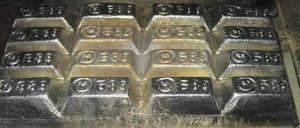
If copper and aluminum are present in the specifications of many dealing centers, then “contracts for difference” of zinc and nickel prices are much less common. We can say that it is a great success to see the mentioned assets among trading instruments.
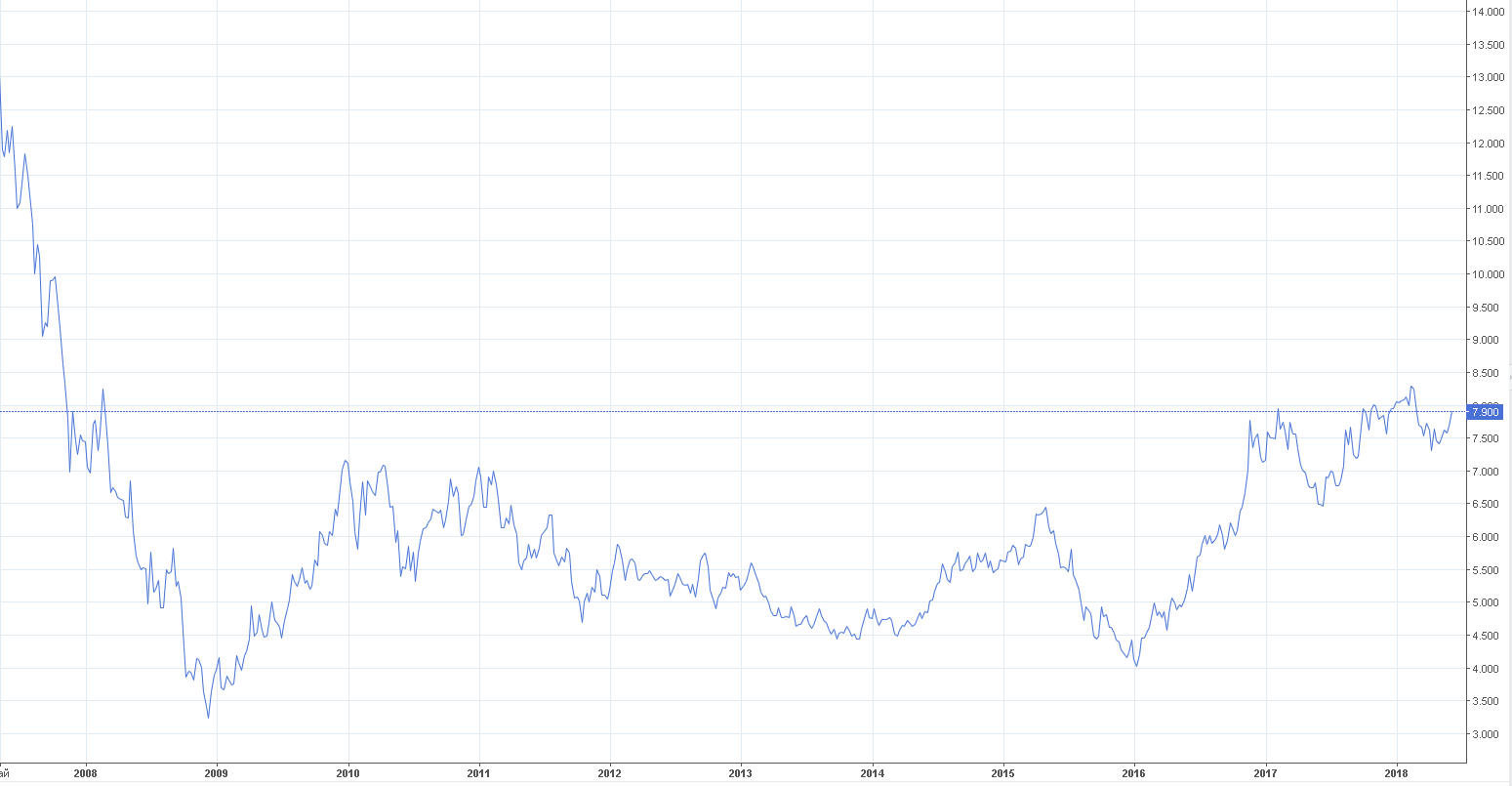 Of course, this low popularity is due to objective factors. First, relatively little news and analysis is published on the nickel and zinc markets. Second, spreads on these contracts are quite high. Third, their prices rarely deviate from the general "commodity" trend.
However, in the long term, good clues about the future dynamics of zinc and nickel can be obtained from the metallurgy, electrical and automotive industries, in particular, Zn is widely used as a protective coating for iron parts and is an integral element of some alloys.
As for nickel, the situation with it is even more interesting, since it is used in the production of lithium-ion batteries, which are an integral part of electric vehicles. It is no secret that today many developed countries put legislative “obstacles” for cars with internal combustion engines and encourage the development of alternative energy, so in the future the demand for them will only increase.
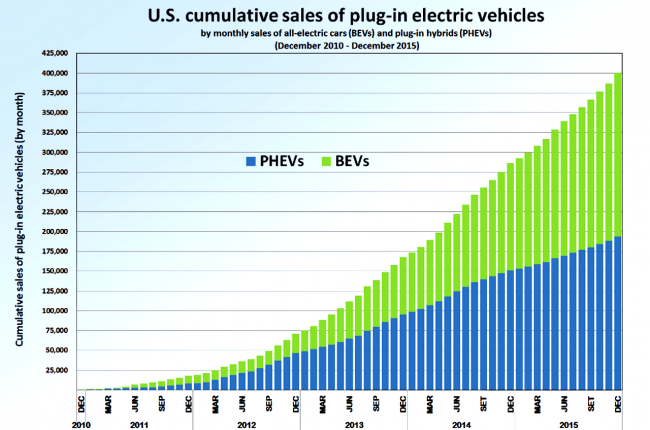 If we talk about the medium-term prospects for zinc and nickel, then their prices often depend on the current supply situation, in particular, when there is a shortage in the physical market (demand exceeds supply) - speculators with their actions push quotes to new highs.
Conclusion

As you can see, CFDs on non-ferrous metals are fairly interesting instruments, because over the long term their prices obey the real laws of supply and demand. In particular, copper follows the electronics market, aluminum depends on the aerospace sector, zinc is inseparably linked with metallurgy, and the future of nickel may be determined by the electric-vehicle market.
Unfortunately, a simple trader is not always able to obtain timely information on the relevant sectors, so many people simply refuse to conduct fundamental analysis. In the decision-making process, relying on only one type of analysis is highly undesirable. When making trading decisions, it is worth considering both fundamental and technical factors.
If we talk about the obvious disadvantages of metal CFDs, then in this regard they are not much different from all other platforms and exchanges. The only thing that has an extremely negative impact on trading results is high spreads and commissions, which make intraday trading impossible.
In general, non-ferrous metals can be considered a good alternative to currency pairs, since their prices are highly correlated with the global economy, but it is best to use CFDs of the same name solely to diversify the overall portfolio.
Best regards, Dmitry aka Silentspec TradeLikeaPro.ru
