
Gold Above $4300: The Hormuz Premium Faces an Inflation Test

Introduction

Gold begins the day under the influence of two powerful factors at once, although neither guarantees a one-way move. Uncertainty surrounding the Strait of Hormuz is sustaining demand for safe-haven assets, while the upcoming release of the US consumer price index is shaping expectations for bond yields, the dollar, and interest rates. This combination is keeping the metal well above $4300, but it could also trigger a sharp reassessment after the data are released. In other words, today gold is simultaneously listening to shipping routes and checking the macroeconomic calendar.
📈 Market Picture: Buyers Retain the Initiative
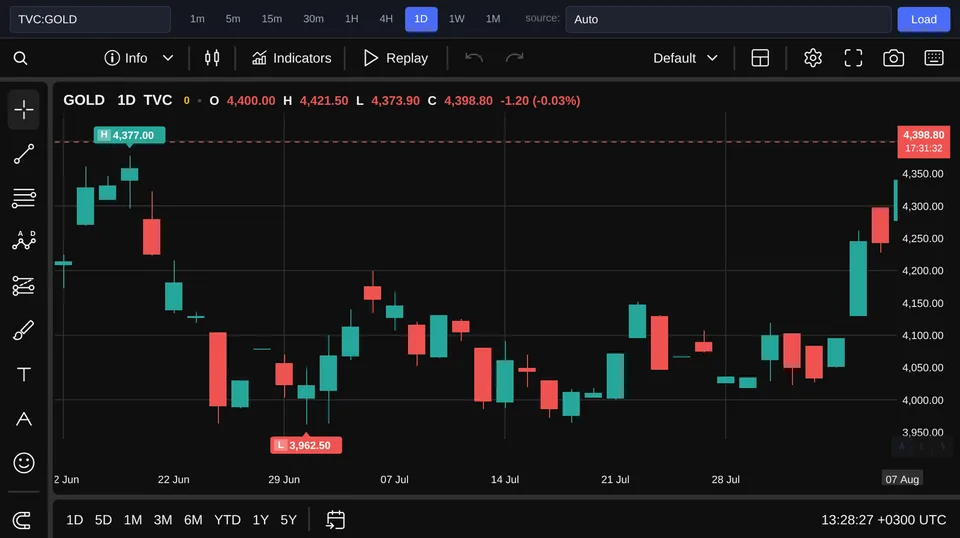
Gold (TVC:GOLD) is trading at 4 399 USD per ounce, gaining 1.35% for the day. The move shows that holding above $4300 is more than an attractive round-number milestone: market participants are willing to maintain positions at elevated levels while key geopolitical and macroeconomic questions remain unresolved. The positive daily performance also indicates that investors are paying for protection in advance, without waiting for complete clarity. Gold pays no coupon income, so rising government bond yields usually reduce its relative appeal. However, when uncertainty intensifies, safe-haven demand can temporarily outweigh this disadvantage, especially if the market is simultaneously counting on less restrictive monetary policy. The current rise is supported by both the geopolitical premium and expectations of a more favorable rate environment.
🛢️ Hormuz Supports the Safe-Haven Premium
The Strait of Hormuz matters to financial markets as one of the key routes for transporting energy resources. When participants cannot confidently estimate when shipping will return to normal, an additional risk premium is priced into oil, freight, and related assets. Gold receives support as a liquid store of value in a situation where the consequences of potential disruptions are difficult to measure in advance. The connection here is not limited to a simple flight from risk. Prolonged uncertainty can support energy prices, while more expensive fuel and transportation may affect production costs and inflation expectations. At the same time, investors increase their share of safe-haven assets as the range of possible scenarios widens. While the question of route stability remains unresolved, the basis for a geopolitical premium in gold persists. At the same time, uncertainty itself does not mean,.
🧾 CPI Will Test the Rate Component of the Rally
The release of the US consumer price index could change the cost of holding gold through expectations for interest rates, government bond yields, and the dollar exchange rate. A cooler CPI than the market expects would ease concerns about persistent inflation and could increase the probability of looser monetary conditions. If yields and the dollar subsequently decline, the metal's lack of interest income will become a less significant disadvantage. A weak inflation report could strengthen the monetary foundation of gold's current rise. In that case, the price of 4 399 USD and the daily gain of 1.35% would appear not only as a reaction to geopolitics but also as part of a reassessment of the future rate path. The extent of any continued move will still be determined by the reaction of debt and currency markets: the label “inflation has cooled” alone is insufficient for a sustained trend. A hot CPI would create the opposite risk.
🧭 What Will Reveal the True Direction After the Release
The initial reaction to inflation data does not always establish a lasting direction. When the data are released, automated orders quickly move prices based on the headline, after which the market examines the CPI components and reassesses the implications for central bank policy. Therefore, a brief spike is less informative than gold's behavior after yields and currency quotations stabilize. If the metal continues to rise alongside falling yields and a weakening dollar, this will confirm that the interest-rate argument is strengthening. If gold remains near elevated levels despite rising yields, safe-haven demand related to Hormuz remains the dominant factor. A simultaneous decline in the metal and strengthening of the dollar amid rising yields would show that the inflation surprise has, at least temporarily, proved stronger than geopolitical support. The most favorable combination for buyers is the preservation of the premium for uncertainty surrounding Hormuz.
Conclusion
Gold's position above $4300 is supported by a genuine combination of safe-haven demand and interest-rate expectations: TVC:GOLD stands at 4 399 USD and is up 1.35% for the day. The next direction depends on whether the premium for uncertainty surrounding the Strait of Hormuz persists and whether CPI allows yields and the dollar to decline. Cooler inflation would strengthen the buyers' case, while hot data could pressure the rally through expectations that rates will remain high for longer. The most reliable signal will emerge after the market compares the inflation report with the reaction of bonds and the US currency.