
Forex for Muslims: What You Need to Know
 Greetings to you, ladies and gentlemen traders!
Halal-based currency trading is called Islamic forex. Traders from the Muslim community are offered brokers with accounts that comply with the laws of Islam. According to Sharia law, Muslims are forbidden to lend and borrow any funds at interest. To conduct permissible trading, an account opened with a company must not include swap charges and commissions on financial turnover, delayed delivery of currency, and leverage.
Swap-free is a mandatory condition of Islamic forex
 In the Forex market, trading is presented as the buying and selling of pairs of national currencies that have different benchmark interest rates on loans set by central banks. A trader's transaction is the purchase or sale of one currency expressed in another, for example, when buying EURUSD, we buy euros for dollars, and when selling USD, we buy for euros.
Swap represents the difference in the rates of two countries, credited to or deducted from the amount of an open position depending on the direction if it is held for more than one day.
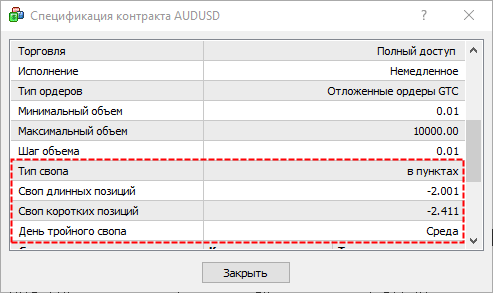 For example, the Fed's interest rates are higher than the "zero" rates adopted by the European Central Bank to stimulate the economy, so for an EURUSD position left overnight (until the morning of the next day):
- Interest will be charged on a buy;
- Interest will be credited on a sell.
Such an account with usurious interest is forbidden under Islamic Sharia law, so before carrying out any operations, the trader must check in the Personal Cabinet that the account is marked as Swap-free.
Islamic accounts are offered by brokers:
- InstaForex;
- RoboForex;
- FortFS;
- TickMill;
- Amarkets;
An Islamic Forex account lets a broker stand out from the crowd. By removing fees in order to avoid haram operations, they sometimes request additional information to make sure the client has no desire to "profit" from an interest-free account.
Main features of halal trading
 Currency exchange in the Muslim world is permitted by a hadith in which the Prophet speaks of exchanging gold for silver, goods for goods, but on the condition that the transaction takes place on the same day.
Forex brokers provide a service that allows a trading position to be "multiplied" many times over. For every dollar invested, the company is ready to provide leverage of 1 to 100 and above, misleading the beginner by talking about supposedly added company funds.
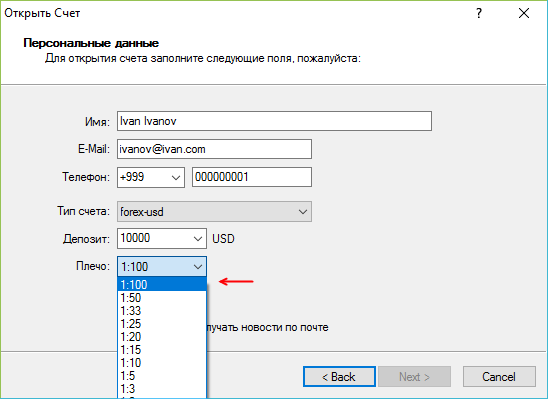 Such trading is called margin trading, and it is prohibited because these transactions contain elements of gharar and maysir:
- You cannot sell "fish in the water, milk in the udder," so leveraged trading is gharar, because the trader does not have the currency he sells or buys;
- A beginner uses leverage to earn speculatively, compensating for its large size with a lack of knowledge and experience. Sharia does not forbid currency exchange as an element of deliberate trading, but leveraged trades without skills and experience are similar to gambling, which means to maysir.
Transactions in the Forex market must be conducted without leverage, 1 to 1. You may trade only currencies, avoiding derivative instruments, futures, and options.
To buy or sell these types of contracts, the exchange will require collateral, security for the transaction, which is placed as insurance into special custodian clearing bank accounts, which is defined as operations containing riba.
Deliverable types of futures and options imply a delayed settlement in goods until a certain date, expiration. In such a case, the transaction is not completed immediately, on the same day, which contradicts the hadith.
Trading currency binary options is prohibited for two reasons at once:
- As a result of a win, the trader is credited with premium interest, which clearly belongs to riba;
- Binary options are bets on certain events that should happen to the price over a certain period of time. These bets are so similar to gambling that some brokers operate under casino licenses.
Intraday Forex trading does not require opening a special account
 If trading provides for closing positions within the day so that by evening the trades in the trading terminal are closed under any circumstances, this is halal trading. A trader who understands Sharia law, after making sure that the account planned for opening is free from hidden charges and interest, can avoid swaps independently.
Without taking leverage and avoiding gharar, an account can be opened with any broker except investment banks that deliver currency with delay, for example, SaxoBank.
Spread on an Islamic Forex account
 The difference between buying and selling a currency pair is called the spread. It can be fixed or "floating" depending on the type of account being opened. Some call the spread a broker's commission, but it is more correct to regard it as the company's earnings. Sharia law allows buying and selling currency, like any other goods, at a price that suits the seller and the buyer.
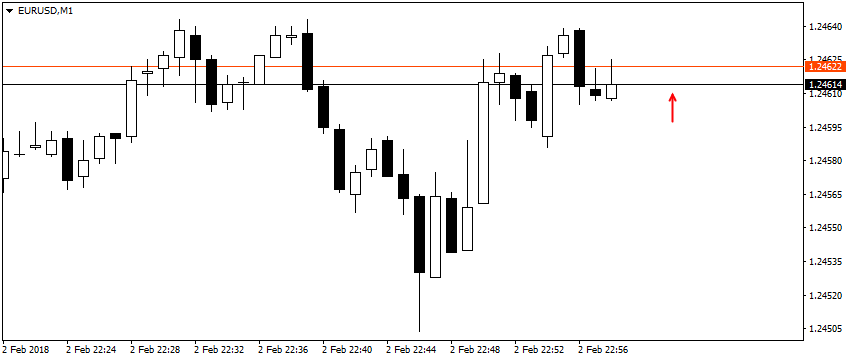 If we consider a "floating spread," attention should be paid to the servicing conditions of such an account. Usually there is a fixed commission charged at the end of the month on the traded amount of funds, which looks like an operation containing riba.
The obligation of learning in Forex
 Currency exchange is a business permitted by Sharia if the trader has mastered the basics of fundamental and technical analysis. Forex transactions must be deliberate, with acceptable gharar and the ability to forecast the rate.
It is unacceptable to consciously skip the stage of learning or to open and close positions because of emotional involvement in the process of speculation, with excitement and the hope that luck will come, because these are elements of maysir.
Best regards, Alexey Vergunov
TradeLikeaPro.ru