
Fed’s September Decision: Why a 25-Basis-Point Hike Remains in Play
Tlapchik

Intro

🏦 A pause is not the end of tightening
A decision to leave rates unchanged can mean several things: confidence that policy is restrictive enough, a desire to collect more evidence, or simply a tactical pause between increases. In the present case, the second interpretation matters most because officials still need to determine whether price pressures are cooling sustainably rather than merely taking a brief holiday. The July pause reduced the urgency of another increase, but it did not remove a September hike from the set of credible outcomes.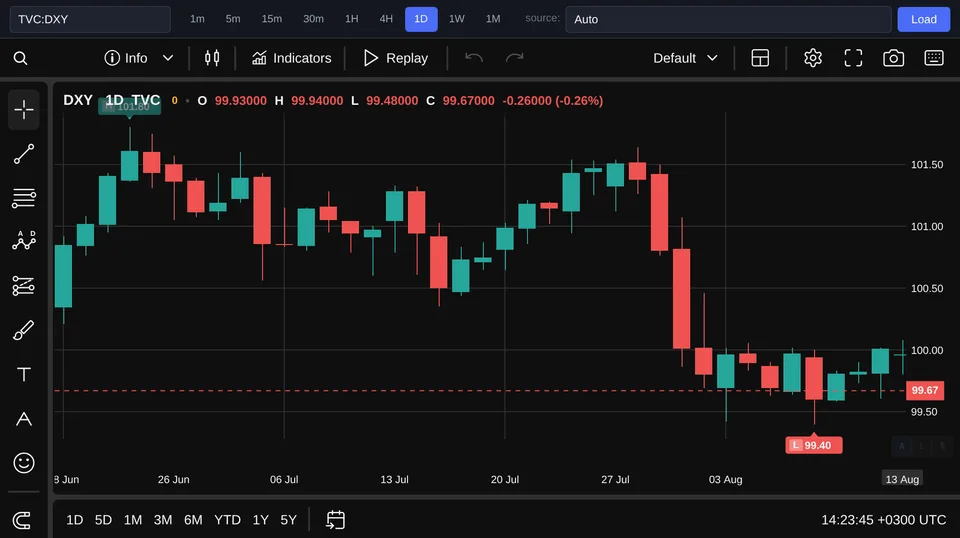
📊 Inflation has not produced a clean verdict
The inflation picture remains ambiguous because a softer headline reading does not automatically guarantee that underlying pressure is fading at the pace policymakers want. The Fed will be interested in the breadth and persistence of price changes, especially whether services and other sticky components continue to resist disinflation. One favorable release may improve the mood, but it cannot by itself establish a durable trend. That is why the forthcoming Producer Price Index and Personal Consumption Expenditures data carry unusual weight. PPI can reveal whether cost pressure is rebuilding earlier in the pricing chain, while PCE offers a consumer-focused measure closely watched by the Fed. If both indicators show persistent pressure, the argument for a 25-basis-point September increase will become materially stronger; clear cooling would support another hold. The composition of the releases will matter alongside the headline result. A benign aggregate figure accompanied by stubborn underlying components could still produce a cautious response from officials, whereas broad-based moderation would make restraint easier to defend. Markets should therefore avoid reducing the decision to a single number: the direction, distribution, and persistence of inflation will shape the September debate together.🗳️ FOMC disagreement keeps both paths open
Differences inside the FOMC are not merely background noise. Officials who believe inflation risks remain elevated can argue that another increase is prudent insurance, while more cautious members can point to the delayed effects of earlier tightening and the danger of doing too much. The presence of dissenting or more hawkish views keeps the +25-basis-point scenario alive even after the July pause. This does not mean that the hawkish camp has already won. Public remarks, meeting communications, and the tone used to describe inflation and activity will help markets judge whether those views are gaining support or remain a minority position. A gradual shift in language can move rate expectations before the formal decision, particularly when positioning is sensitive to each new fragment of guidance. For traders, the useful question is not whether one official sounds forceful on a given day, but whether a consistent coalition is emerging around another increase. A September hike should be treated as a conditional risk, not as a settled forecast. The probability can rise or fall as the committee absorbs fresh inflation evidence and evaluates how much restraint is already passing through the economy.💵 Treasury yields are the transmission channel to watch
The fastest market confirmation may come from Treasury yields. Stronger inflation data or more hawkish Fed communication would likely push investors to price a higher policy path, lifting yields and improving the relative appeal of dollar-denominated assets. That combination could help DXY rebound from its current level of 99.67 points and reverse the day’s -0.29% decline. The opposite mechanism is equally important. Softer PPI and PCE readings would reduce the perceived need for another increase, potentially pulling yields lower and leaving the dollar without fresh rate support. The interaction between inflation expectations, Treasury yields, and September pricing is more informative than the dollar’s daily move viewed in isolation. Investors should also distinguish an immediate reaction from a durable repricing. Markets can jump on the headline and reconsider once the details are examined, especially when the data contain conflicting components. A sustained dollar recovery would require more than one nervous session: it would need a convincing shift toward higher yields and a greater perceived probability of further Fed tightening. Until that alignment appears, the current DXY decline is best read as provisional positioning.Conclusion
The September outcome remains genuinely open. July’s pause lowered the immediate pressure to tighten, but mixed inflation signals and disagreement within the FOMC preserve the possibility of a 25-basis-point increase. PPI and PCE will provide the next major tests, while Treasury yields will show whether investors are translating those releases into a higher expected rate path. With DXY at 99.67 points and down 0.29% for the day, the dollar is currently reflecting caution rather than certainty. The next durable move will depend on evidence that either validates another tightening step or gives the Fed sufficient confidence to keep rates unchanged.#Federal Reserve September rate hike#25 basis point Fed hike#Fed July pause#FOMC disagreement#US inflation outlook