
The Dollar Sets the Pace Again: The Fed, Yen at 162, and the AI Rally Test

Introduction
Today's market map looks like one big test of endurance. The dollar is getting support from expectations of a more hawkish Fed, the yen is again approaching the zone where the Bank of Japan usually starts speaking louder, and U.S. stocks continue to hold on to the AI story, although a slight creaking of overheated positions can already be heard inside Nasdaq. There is no panic, but the cat editor has carefully removed its paw from the "all calm" button.

🏦 Fed and Dollar: The Market Respects the Rate Again
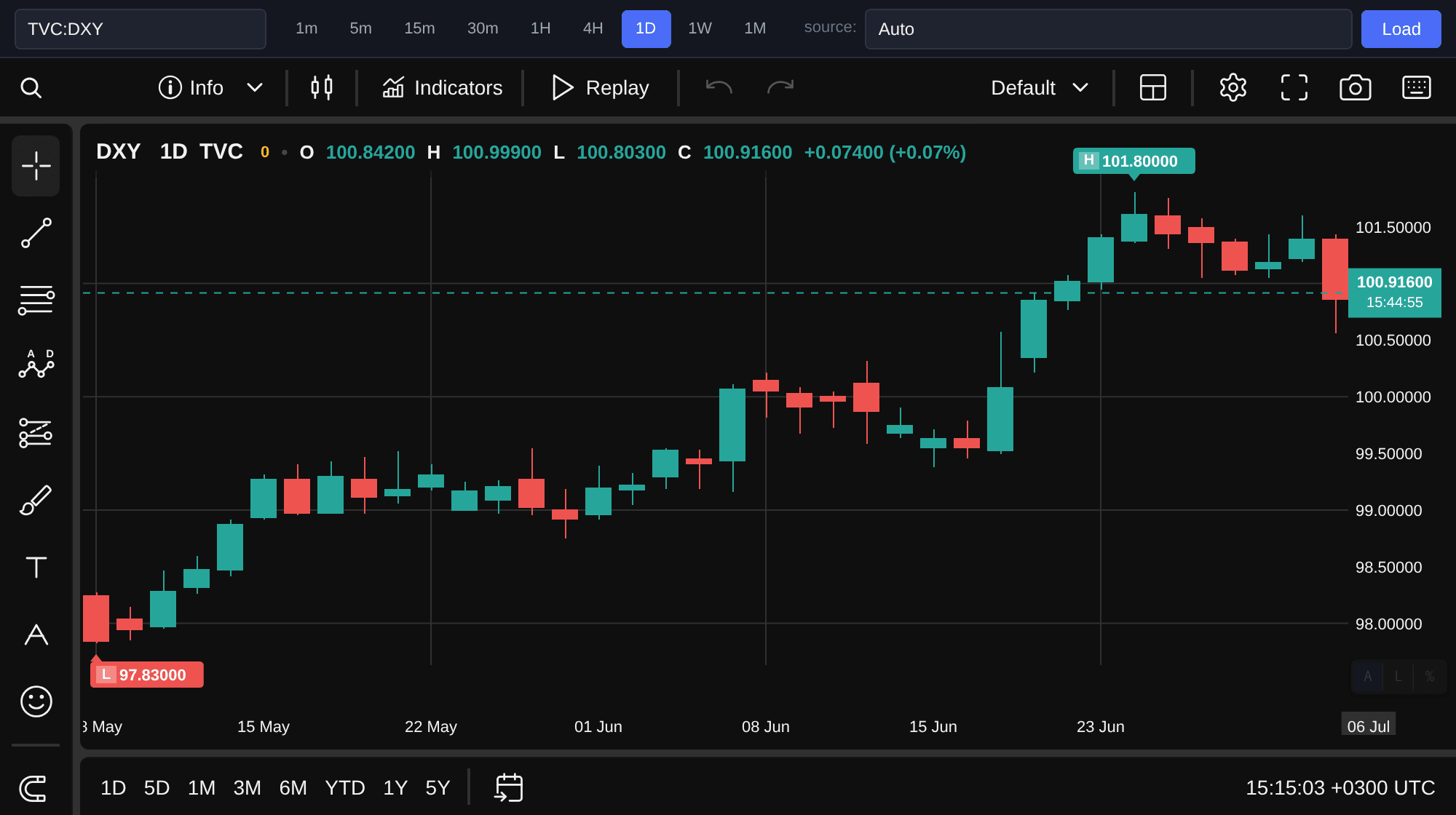
The main currency story of the day is not just a small rise in DXY, but a sharp turn in positioning. According to CFTC data, speculative dollar longs rose to $39.8 billion, the highest in 10 years, showing that the market is moving away from the idea of quick and comfortable Fed rate cuts. The dollar index TVC:DXY is at 100.9 USD and is adding +0.10% on the day, so the move is still moderate, but it sits on top of an already very crowded dollar bet. The key signal is that traders are again building consensus around a strong dollar and a more cautious Fed. Tomorrow's Fed minutes under the new chair Kevin Warsh will be read not as a dull meeting transcript, but as a route map for DXY and yields. If the minutes put more emphasis on inflation risks and the need to keep conditions tight, dollar longs will get confirmation; if more concern appears about growth and financial conditions, the crowd on one side of the market may feel a draft.
💴 USD/JPY at 162: Tokyo Back in the Spotlight
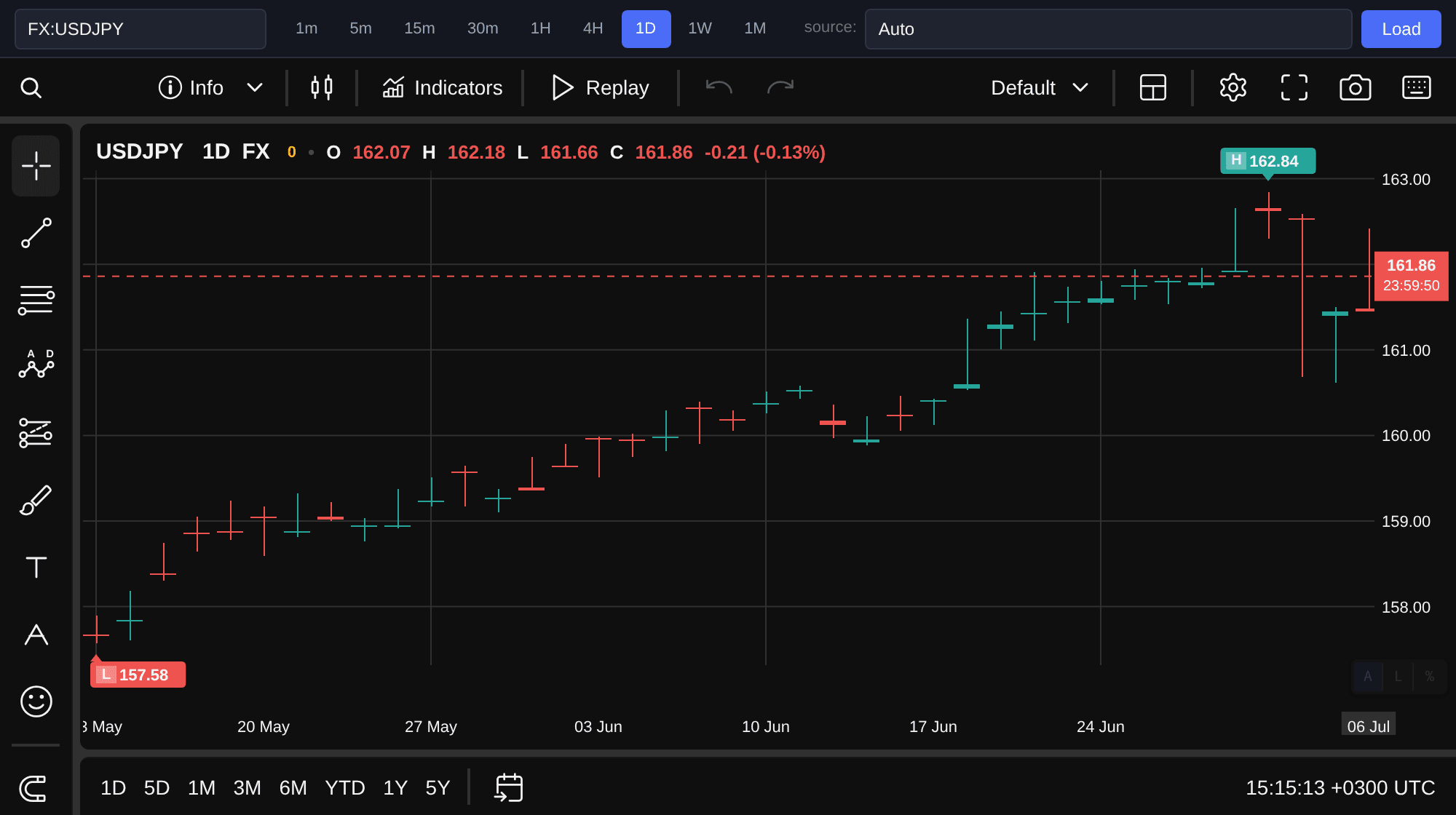
The USD/JPY pair has again approached the zone where the market starts nervously listening to signals from Japanese authorities. USD/JPY is now trading at 161.9 JPY and rising +0.28% on the day, while the lack of clear intervention after the previous move above 162 has only fueled interest among dollar buyers. At the same time, yen shorts look overheated, so the next impulse now depends not only on U.S. yields and expectations for the Bank of Japan. The area around 162 is not an automatic intervention switch, but it is an important level of political and market attention. Tokyo may limit itself to verbal warnings, or it may move to action if it sees the move as excessive or too fast. For dollar bulls, this is an unpleasant asymmetry: the trend is on their side, but nearby stands an official with a "no running in the corridor" sign.

🤖 AI Rally: Wall Street Holds Up, but Nasdaq Is Already Choosing the Strongest
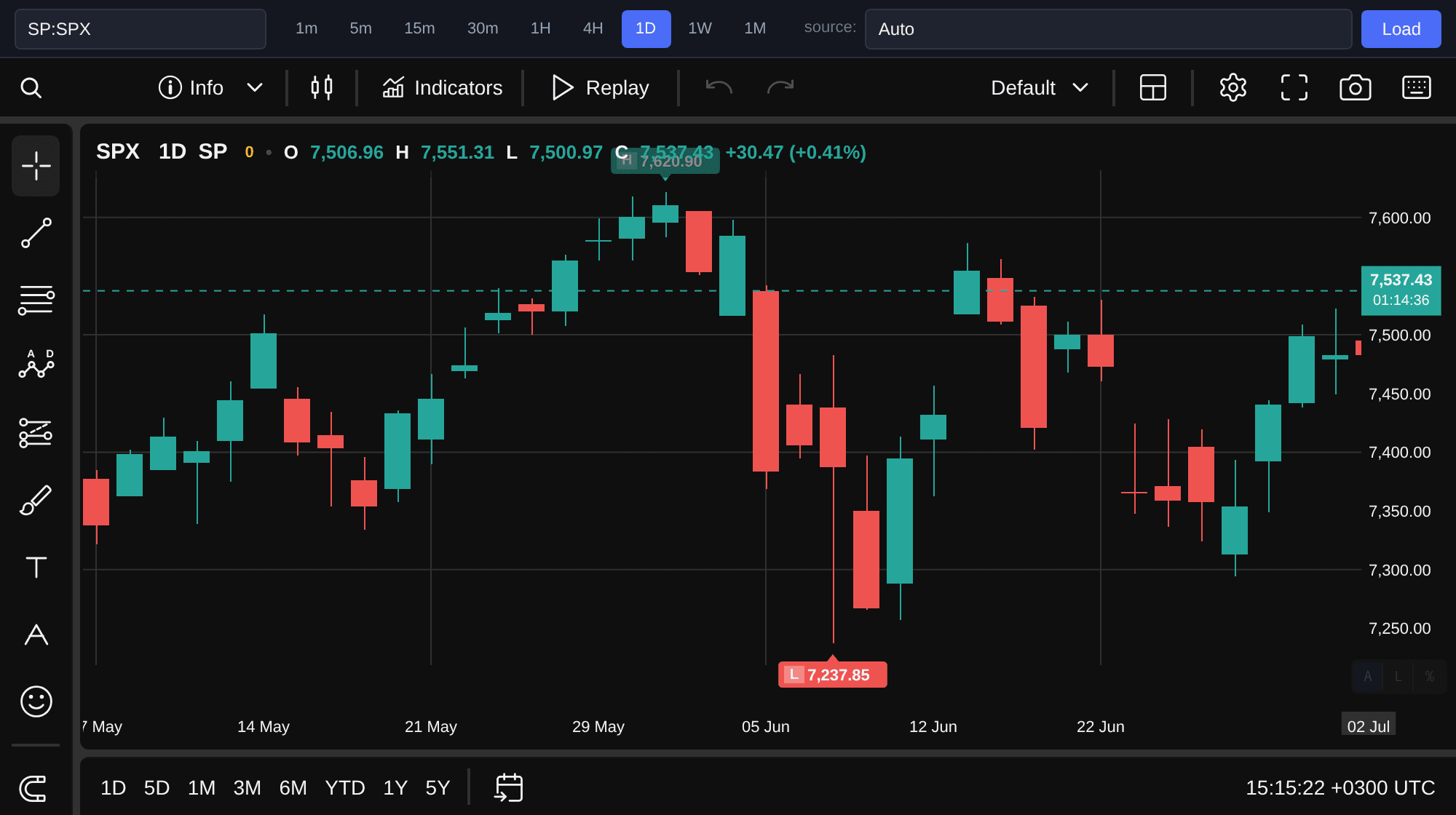
U.S. stocks continue to live on the AI impulse, and the overall backdrop remains strong. The Dow rose above 53 000, the S&P 500 is at 7 537 USD and adding +0.72% on the day, while the Nasdaq 100 is trading at 29 698 USD with a gain of +1.26%. These numbers do not look like a market urgently searching for the exit, but inside the move a question is already appearing: is this a healthy pause or the start of rotation out of overheated AI names. Pressure on Nasdaq futures came amid a sell-off in Asian tech and Samsung's report, so traders began looking more closely at the quality of leadership. The AI theme remains the main growth driver, but the market is becoming more selective. If indexes continue to make new highs thanks to a narrow group of chip and infrastructure companies, any disappointment in earnings, guidance, or margins may hit harder than the calm surface of the broad index suggests.

📊 Big Picture: One Dollar, Many Consequences
The main nerve of the day runs through the repricing of U.S. rates. A more hawkish Fed path supports the dollar, increases pressure on the yen through the yield gap, and at the same time raises the bar for growth stocks, where future profits are especially sensitive to the cost of money. That is why FX and the stock market today are not living as separate stories, but are reacting to the same variable: how long dollar liquidity will remain expensive. The practical takeaway for a trader is that the market is entering a phase of increased sensitivity to Fed words, yields, and crowded positioning. For DXY, the reaction to the Fed minutes matters; for USD/JPY, price behavior near 162 and the tone of signals from Tokyo matter; for stocks, the breadth of the AI rally and the resilience of leaders after corporate reports matter. Risk appetite is not broken now, but the market will have to confirm the right to further growth with actual data, not only with a beautiful story about artificial intelligence.
Conclusion
The day's result is quite coherent: the strong dollar has again become the central axis for currencies and stocks. The Fed is holding the market back from a premature bet on fast cuts, USD/JPY is testing the patience of Japanese authorities around 162, and the AI rally in the U.S. remains alive, but requires higher-quality confirmation through earnings and market breadth. For traders, this is an environment where it is more important not to guess one loud headline, but to watch the connection between rates, yields, positioning, and the price reaction to news. Practical takeaway for a Forex trader: the rule should be tested on a demo account, written into the trading plan, and applied the same way before every trade. Practical takeaway for a Forex trader: the rule should be tested on a demo account, written into the trading plan, and applied the same way before every trade. Practical takeaway for a Forex trader: the rule should be tested on a demo account, written into the trading plan, and applied the same way before every trade. Practical takeaway for a Forex trader: the rule should be tested on a demo account, written into the trading plan, and applied the same way before every trade. Practical takeaway for a Forex trader: the rule should be tested on a demo account, written into the trading plan, and applied the same way before every trade. Practical takeaway for a Forex trader: the rule should be tested on a demo account, written into the trading plan, and applied the same way before every trade. Practical takeaway for a Forex trader: the rule should be tested on a demo account, written into the trading plan, and applied the same way before every trade. Practical takeaway for a Forex trader: the rule should be tested on a demo account, written into the trading plan, and applied the same way before every trade. Practical takeaway for a Forex trader: the rule should be tested on a demo account, written into the trading plan, and applied the same way before every trade. Practical takeaway for a Forex trader: the rule should be tested on a demo account, written into the trading plan, and applied the same way before every trade. Practical takeaway for a Forex trader: the rule should be tested on a demo account, written into the trading plan, and applied the same way before every trade. Practical takeaway for a Forex trader: the rule should be tested on a demo account, written into the trading plan, and applied the same way before every trade. Practical takeaway for a Forex trader: the rule should be tested on a demo account, written into the trading plan, and applied the same way before every trade. Practical takeaway for a Forex trader: the rule should be tested on a demo account, written into the trading plan, and applied the same way before every trade. Practical takeaway for a Forex trader: the rule should be tested on a demo account, written into the trading plan, and applied the same way before every trade. Practical takeaway for a Forex trader: the rule should be tested on a demo account, written into the trading plan, and applied the same way before every trade.