
Coronavirus: What Awaits Markets and Traders?

On the last day of the outgoing 2019, Chinese doctors discovered a new strain of coronavirus, designated 2019-nCoV. A month later, it became known as "Wuhan pneumonia," whose danger was officially recognized at the international level by the WHO and the UN.
The city of Wuhan, which gave the pandemic its name, ended up under military blockade, but the virus spread to 20 countries, the death toll is in the hundreds, and the number of infected is in the thousands.
How did the world's exchanges react? What should be expected from currencies? And most importantly, how can traders profit from this?
The first reaction of the global markets turned out to be "stepped." The Chinese stock market stopped the Christmas rally - a confident two-month rise - and turned downward after January 13. This is the date of the official registration of 2019-nCoV in the international GenBank database of the U.S. National Center for Biotechnology Information (NCBI).
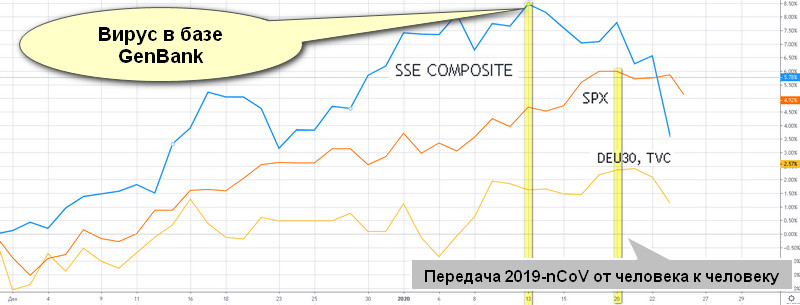
European and American stock indices reacted to the news of the disease only on January 21, after the medically confirmed case of human-to-human transmission of 2019-nCoV. At the same time, the currency market also reacted to the Chinese coronavirus.
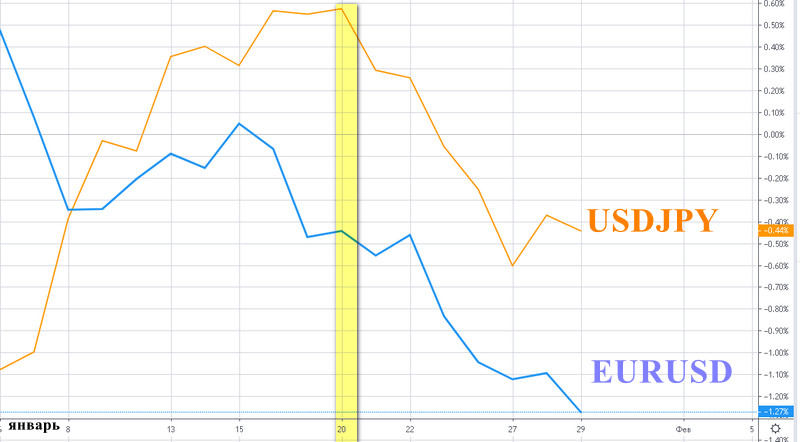
A sharp strengthening of the dollar is a normal reaction to a crisis; investors choose U.S. Treasury bonds as a "safe haven," but in January the Forex market was showing a fundamental trend of dollar strengthening. The influence of the coronavirus can be traced by combining the chart of EURUSD with the chart of USDJPY.
The coinciding trends of pairs that should diverge show the formation of abnormal demand for the yen, which plays the role of a protective instrument for Asian investors.
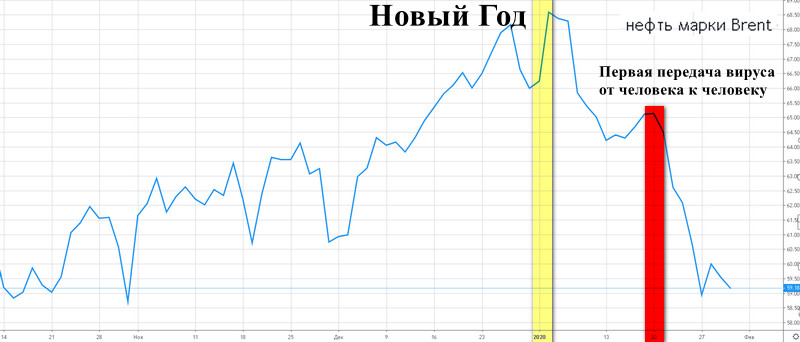
The hardest-hit asset is oil. Quotes stopped their two-month rise from the beginning of the new year. On the chart it is clear that after the 20th, the downward move turned into a sheer fall.
The reaction is explained by the history of pandemics: investors and speculators are betting on a decline in black gold consumption because of restrictions on trips, travel, and transport movement. This has never happened on such a scale before as it is happening now, and the reason lies in the features of 2019-nCoV.
Paradoxes and Current Economic Risks of the Crisis

The coronavirus from China is both similar to and different from the "Spanish flu," which infected 20% of the world's population at the beginning of the 20th century. In 1919, influenza took 100 million lives, but unlike "Wuhan pneumonia," the disease ended fatally for the most active part of the population aged 20-40.
The 2019-nCoV virus is dangerous for elderly people or those who have various upper respiratory tract diseases. Despite the absence of a vaccine, which will appear within a few months, many infected young people recovered after experiencing symptoms common to colds.
The paradox and danger of "Wuhan pneumonia" lie in the method of spread - by airborne droplets or through objects; one can become infected from a person who shows no symptoms. Given the length of the incubation period from two to 12 days, it is difficult for doctors to isolate places where an outbreak of 2019-nCoV has been detected.
The radical measures taken by the Chinese government have not yet produced results. The blockade of multi-million cities and the cessation of movement between provinces have not been able to stop the scaling of the pandemic across the entire territory of the country, Asia, and a number of other developed states.
At the beginning of January, cases of "Wuhan pneumonia" were recorded on all continents, and facts of virus transmission from people not geographically connected with China were confirmed. The only way to fight it in the absence of a developed vaccine is to maximally restrict various public events.
First of all, these measures will definitely be extended in China, which is already affecting companies connected with the tourism industry, entertainment, and public catering. Disney, McDonalds, and Starbucks have publicly acknowledged problems with shrinking revenue and income.
It became known about the postponed premiere of a new Apple model, a number of automobile manufacturing plants are closing in China, and Google offices have stopped operating.
Going forward, such reports will have only a point impact on the stock market, capable of leading to a decline in the absence of economic news or intensifying the negativity of released economic indicators. According to doctors, they will not be able to bring the situation under control until the first half of February. Until then, traders trading CFD on stocks or indices should take into account news about the expanding list of companies affected by the virus.
Oil is the most vulnerable asset in the current situation. China has restricted the movement of public and private transport throughout the country. This reduces quotes, given the country's traditionally high share in oil consumption. Traders are waiting for some action from OPEC in this situation, the cartel is ready to additionally reduce production, and until that moment, black gold may continue to become cheaper.
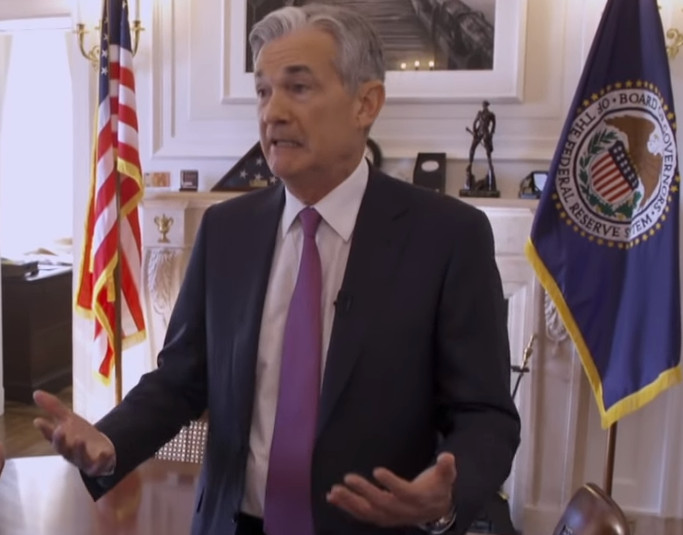
National currencies and the U.S. dollar passed the critical phase of the first reports about the virus; next, traders will react to central banks' monetary policy forecasts and actual macroeconomic indicator figures. In the future, the coronavirus will definitely affect these data, calculated once a month or quarter, as warned by the head of the Fed, breaking the rule of not commenting on the current situation.
Jerome Powell became the first of the central bank heads to acknowledge active monitoring of the epidemiological situation in the world and consultations with the American Center for Disease Control.
The historical chronicle of market reactions to pandemics will help forecast how further events will develop.
Economic History of Pandemics

The 2019-nCoV virus, affecting the upper respiratory tract of humans, matches influenza in character and methods of infection, a disease from the ARVI group familiar to many of us. There are more than 2000 variants of its mutations in the world, which annually claim up to 500 thousand lives, among which people over 65 predominate.
Influenza is deadly dangerous, but preventive measures in the form of vaccinations and quarantine make it possible to contain the pressure of the disease until a new strain appears against which there are no vaccines. The absence of obstacles to the spread leads to an epidemic. In the history of mankind there have been five pandemics (not counting "Wuhan pneumonia").
The Spanish flu and the Dow Jones index

The Spanish flu became the most terrible epidemic in the history of the planet, the illness mainly struck young or mature people from 20 to 40 years old. The fight against it was complicated by the swiftness of the disease, the breadth of its spread, unsanitary conditions, hunger, and a shortage of medical specialists against the backdrop of World War I.
Some of the sick died after symptoms of pneumonia were discovered, which in the end was accompanied by heavy internal bleeding, and the person choked on their own blood, while others died on the second day, not even having time to develop a fever.
The disease began in the United States, reaching the Old World with the massive movement of troops. Despite the large number of deaths (about 50 million), neutral Spain was the first to report on the disease, while the other countries subjected the press to censorship under wartime laws.
The epidemic lasted 18 months, the peak of the disease came in October 1918, and active measures restricting free movement, closed stores, and the imposition of martial law in a number of countries helped cope with the flu.
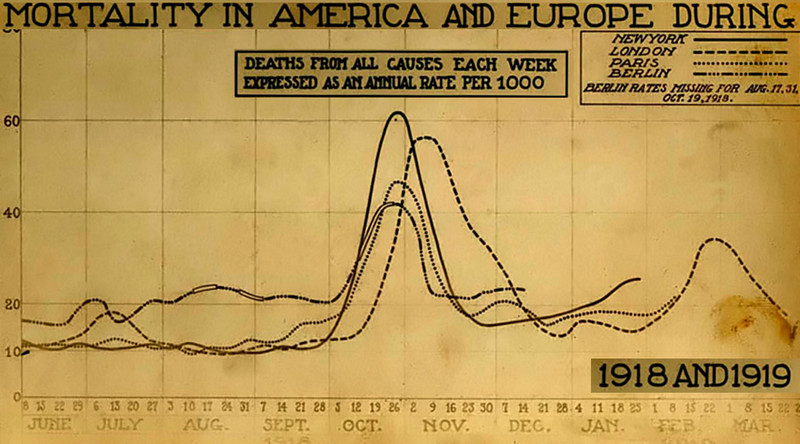
To understand how the epidemic affected the stock market, it is enough to compare the dynamics of deaths with the Dow Jones index. The chart below shows that the beginning of the epidemic did not affect the stock market in any way, investors simply were not aware of its scale because of wartime censorship.
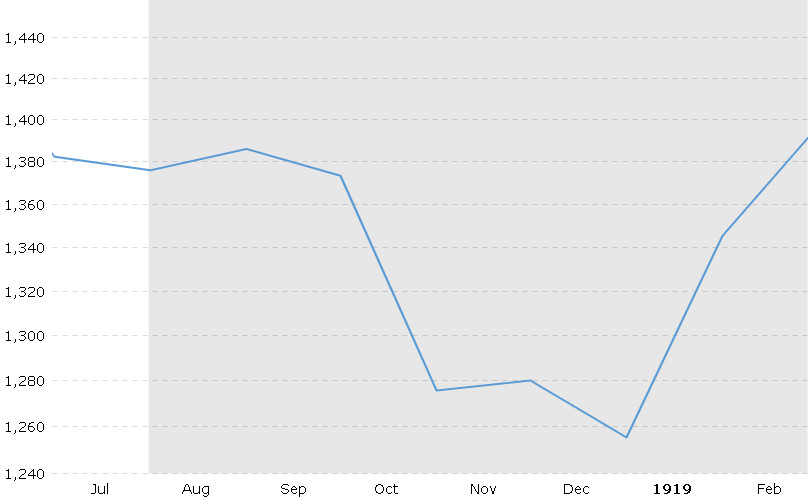
In October 1918, a wave of deaths began: according to eyewitnesses, dozens of funerals took place in a day, graves in city cemeteries were dug with a steam excavator, and people were buried without funeral services or prayer vigils. Market growth began in January, after the decline in the number of illnesses recorded in November 1918.
Further decisive medical measures, which coincided with an important historical event, the end of World War I, recouped the market's three-month losses in January 1919 alone.
Projecting the events of 1918 onto the present day, the stock market losses (10%) are comparable to the dot-com crisis. Oil lost 15%, while gold rose by +3%.
The Asian flu H2N2 and the US stock markets

In 1957-1958, the world was struck by the H2N2 virus, commonly called the "Asian flu." Despite a fairly wide area of spread, 30% of the Earth's population was infected, and the disease claimed 800 thousand lives. Unlike the "Spanish flu," the new type of flu primarily affected children.
The Asian flu coincided with a global political crisis, the height of the Cold War, problems in the Middle East, and the "Great Leap Forward" in China. These problems affected the markets of Europe and Asia, but the American market at that time had already been in a long-term trend for 4 years. Investors were literally sweeping shares off the market from the moment the Korean War ended in 1953.
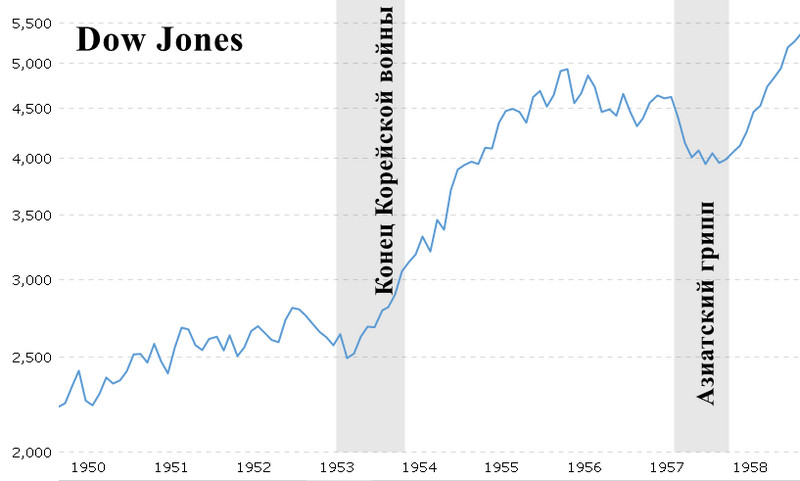
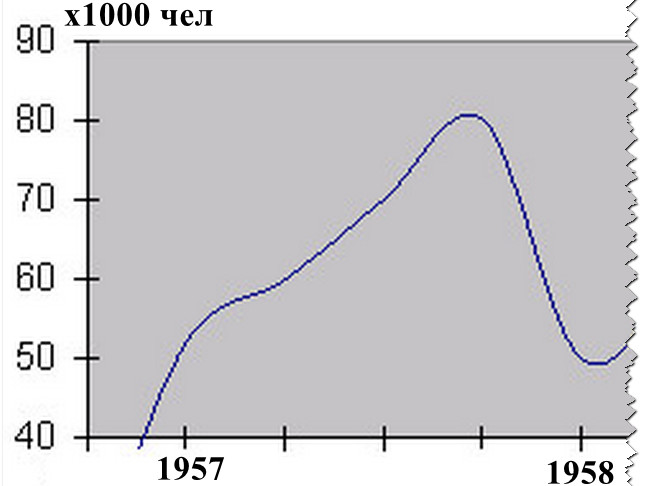
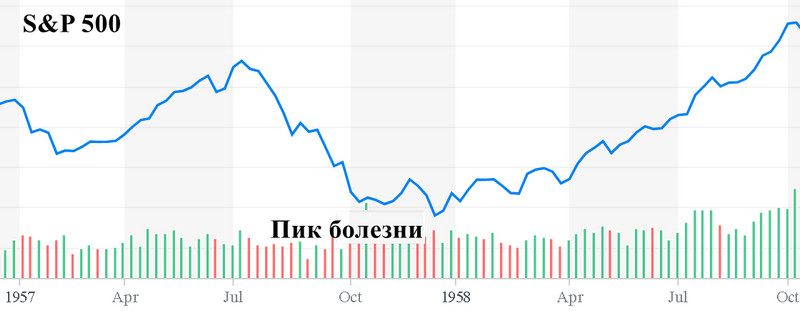
The peak of the Asian flu's spread around the world and the number of deaths came in the third quarter of 1957; doctors brought the virus under control only at the beginning of 1958.
The stock market's reaction almost copied the previous virus: at the beginning of the spread, the index did not factor in the disease, which was due to the remoteness of the problems. The first coffins of those who died from the Asian flu, which appeared in the United States by the summer of 1957, caused a panicked reaction among investors.
Its inertia extended until the winter of 1958, when the number of registered new cases became the lowest in the entire history of the crisis. This led to the emergence of a sharp upward trend, and in five months the Dow Jones index recovered the losses that stocks suffered during the Asian flu.
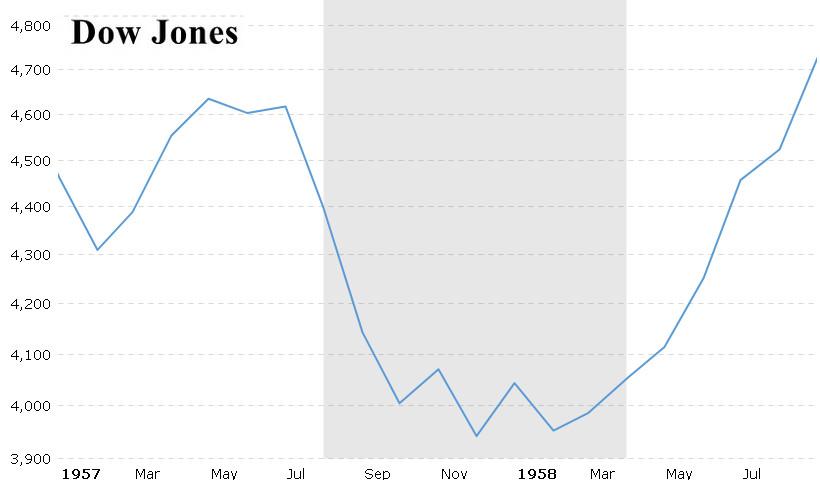
The decline of the Dow Jones was 15%, while the S&P 500 index, launched in 1957, showed a deeper correction of 24% and a longer recovery that lasted until the autumn of 1958.
Hong Kong flu - a deadly mutation

The Hong Kong flu of 1968 was the returned H2N2 mutation ten years after the end of the Asian virus, and it killed all patients over 65 years old. The disease, which affected 15% of Hong Kong residents and claimed about 1 million lives, spread through the Philippines, Japan, Malaysia, Africa, and South America.
In the United States, the Hong Kong flu arrived in December 1968 with soldiers who were returning from Vietnam. In a month, 33 thousand Americans became victims of the pandemic, but in January 1969 doctors invented a vaccine, and the death toll began to decline sharply, fading away. The flu returned in subsequent years, but there was never again such a number of deaths.
The stock markets ignored the entire period of the crisis's development, despite active coverage of the pandemic's course by the press and television. The Dow Jones and S&P 500 were in a strong rise throughout 1968 thanks to the successful course of military operations in Vietnam, the economic miracle of European and Asian countries (GDP growth above 10%), and the signed treaty on the non-proliferation of nuclear weapons among the countries of the world.
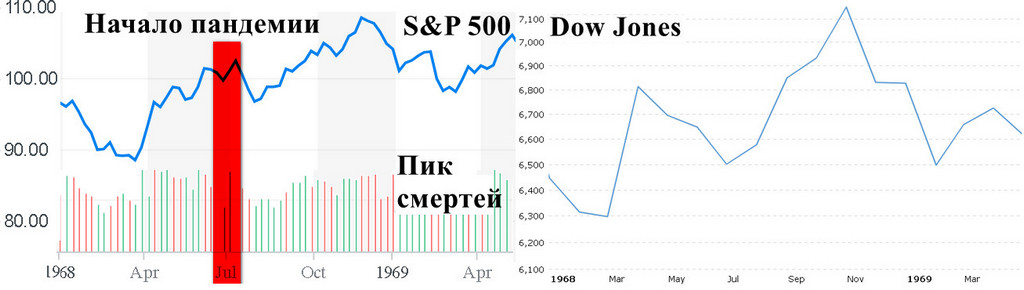
At the peak of deaths in the United States, both stock indicators reacted minimally and showed growth as soon as a vaccine was found in January 1969. The S&P500 managed to recover its losses completely, while the Dow Jones fell after the political events of 1969.
The first epidemic of the 21st century - bird flu
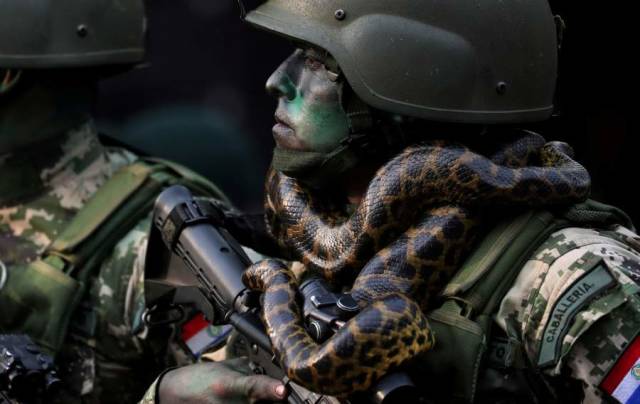
The H5N1 virus strain received the common name "bird flu." The first human infection came from domestic poultry that had contracted the flu. Despite the fairly small number of deaths compared with previous pandemics, 360 people died, the global reaction was panicked because of the highest mortality rate when infected.
Since the virus was discovered in 2003, WHO, the UN, and national health authorities in the Asian region have taken the most energetic measures to prevent the spread of the epidemic. They consisted of vaccinating birds, informing the population, and also searching for a vaccine.
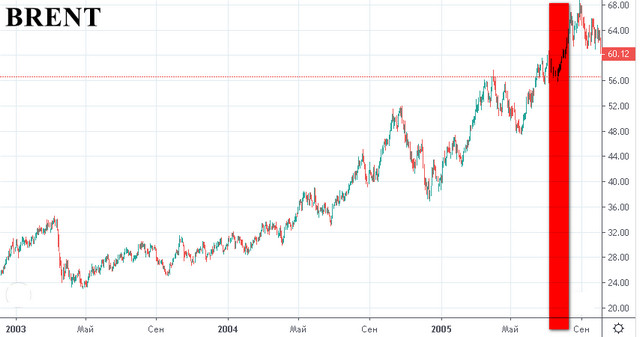
The peak of deaths came in August 2005, and at the same time scientists created a vaccine. Despite the threat of spread and the high probability of a fatal outcome for those infected, the stock markets did not react to the viral threat in any way. They continued to grow against the backdrop of the development of new technologies and the globalization of the world market.
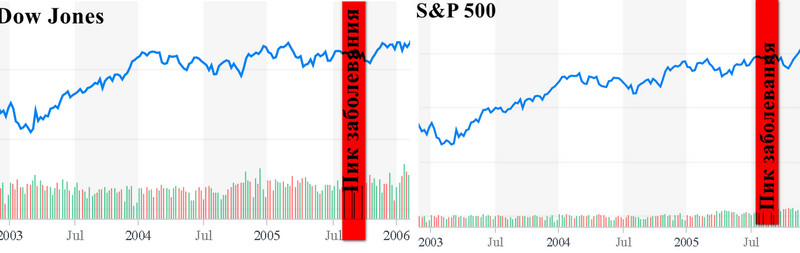
Oil, subjectively considered the asset most susceptible to viruses, set record after record in price throughout two years of fighting bird flu.
The second pandemic of the 21st century - swine flu

Swine flu got its name because of the identified relationship of the A/H1N1 disease strain, which led to the deaths of 2627 people in more than 140 regions of the world, with the infectious disease identified in pigs. However, unlike bird flu, scientists have reliably proven the transmission of the mutation from animal to human.
Given the development of livestock breeding, swine flu can flare up all over the world as a pandemic or as an infection of individual broad geographical areas, as it did in 2009. Up to that point, outbreaks of the disease on pig farms had been localized in nature and were easily extinguished by isolating the sick, but at the end of the first decade of the 21st century the disease managed to strike Mexico and spread to the USA.
The efforts of the WHO and the UN, which set the maximum threat level, and the American Center for Disease Control could not stop the pandemic, which led to the peak of infections in August 2009 - 255716 cases. A vaccine against A/H1N1 has not been found by doctors to this day, but in fact the number of fatalities does not exceed the standard mortality rates from seasonal flu.
The markets did not react to swine flu at all; by the time of the epidemic's peak, stock indices were rising, actively recovering after the global economic crisis of 2008.
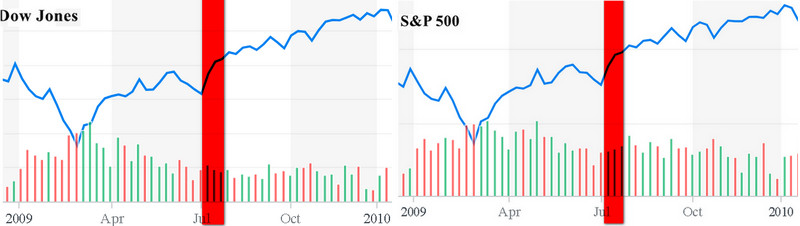
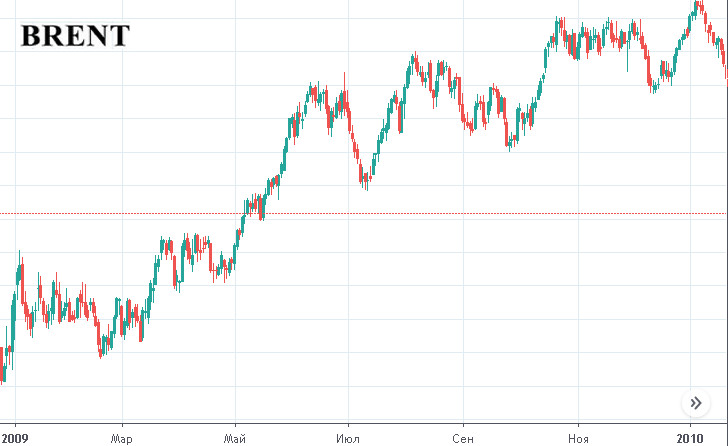
Oil - the blood of the economy - was also at peak demand, demonstrating steady confident growth. Reports of swine flu and mass deaths in Mexico did not cause a drop beyond the standard correction, which the identified cases of A/H1N1 directly in the USA also failed to affect.
Approximating the situation with the 2019-nCoV virus for stock and commodity markets

The history of quotes shows that the theory of Charles Dow makes no exceptions for viruses. Asset prices take everything into account, meaning the impact of flu is included in the array of all other news. A pandemic cannot knock down market optimism as long as deaths do not affect the readings of economic indicators.
Unfortunately, "Wuhan pneumonia" may lead to a drop in the dynamics of Chinese GDP below 6%. The financial reports of some large companies for the first quarter of 2020 will also worsen. Stock indices and national currencies will take only these facts into account.
The first reaction has already passed through the markets: at the current moment, quotes have priced in the losses of the tourism business, extended holidays, logistics problems, and the possible shutdown of production facilities located in China. Later, the strengthening of the dollar, the decline of stock indices in China and Europe, as well as oil quotes, will be played back as soon as the mortality peak passes or a vaccine against 2019-nCoV is created.
Gold and Bitcoin demonstrate a more predictable reaction to Wuhan pneumonia. Given the long-term nature of virus spread (based on the historical background above), the negative effect of 2019-nCoV may last at least until the end of the year. The pandemic overlaps with economic instability, guaranteeing with high probability increased demand for safe-haven assets.
Crisis phenomena in the currency market are expressed in the strengthening of the dollar index. However, one should not draw analogies with 2008, because this time the rise of the dollar may be weakened due to the emergence of cryptocurrency and blockchain technologies.
They have opened up the possibility for the world's central banks to issue their own sovereign digital currency. China may take the first step; the issuance of a digital sovereign currency and the prospects for the free convertibility of the yuan will lead to a global revaluation of Forex currencies.
Conclusion

The experience of past years and the charts presented show that it is worth tracking the dynamics of infections and deaths, and as soon as the peak of infection has passed, it is worth thinking about buying European stocks; Asian markets should be bought with greater caution.
Currency pairs in the daily overbought/oversold zone are also suitable for forming medium-term positions. Bitcoin and cryptocurrencies have gone far enough, but they will be attractive in the future; the best strategy is buying on pullbacks.
The situation with oil depends on OPEC, but so far its consumption in the PRC objectively does not show a decline in volumes, taking into account the seasonal factor of the New Year holidays. Otherwise, the situation with the coronavirus will be displaced by real fundamental indicators, reviews of which are published daily on our website.
In short, we wait for the end of the virus-related negativity and open positions opposite to the "virus" trends.
Until next time, and stay healthy!
Respectfully, Alexey Vergunov
Tlap.io