
How to Smoothly Come Out of the Holidays and Return to Trading
Holidays are wonderful. New Year holidays with relatives, endless conversations about children, neighbors, coworkers, bosses, politics, and the economy in the spirit of “well, can you imagine...” are never complete without drinking.
Despite the overall decline in alcohol consumption in Russia, New Year is still New Year, and champagne along with stronger drinks flows like a river for several days in a row.
And meanwhile, somewhere out there, various trading venues keep operating: on Forex and Western exchanges only January 1 is a day off. Crypto exchanges keep working around the clock as if nothing happened, without even a break for clearing, let alone for New Year.
During the holidays it is very easy to break trading rules and start trading with your full size while slightly tipsy. I think the result of such trading most often has a negative expected value.
This article is for those who want to return to trading after the holidays without losing their deposit.
Alcohol, a Hangover, and the Market
Alcohol directly reduces the functions of the prefrontal cortex, the very area responsible for planning, impulse control, and sober risk assessment. In practice, this leads to:
- Overestimating probabilities: the trader starts believing in the “guaranteed recovery” of a stock / coin / futures contract / currency pair, and so on.
- Confidence without reason: a drunk trader feels that he “sees the picture” better than anyone else. Usually this is an illusion.
- Reduced tolerance for losses: instead of closing a losing position, there appears a desire to “win it back” with double or even triple the volume. How else could it be!
I personally had a case when, during the European session, I managed to catch a downward move in CL oil. Naturally, a bottle of champagne was opened right away. During the American session, I tried to short the “correction” with double the volume.
The result: I failed to spot the V-reversal, and lost the deposit that had grown over the previous few hours.
In general, a hangover brings headaches, dehydration, impaired attention, irritability, blood pressure swings, and fatigue. This reduces the ability to control emotions and worsens impulsiveness.
The Minimum Goal After the Holidays Is Not to Do Harm
The first ironclad rule is very simple: forget about the market for a week, or better yet two, after a long holiday break. The market is not going anywhere, but your deposit very well might.
The second ironclad rule is not to open the terminal, so that nothing skips a beat in your chest and no irresistible urge appears to open a trade right at market. Especially if the thin market is making decent moves and it seems like everything is under control. Everything is under control, but not ours.
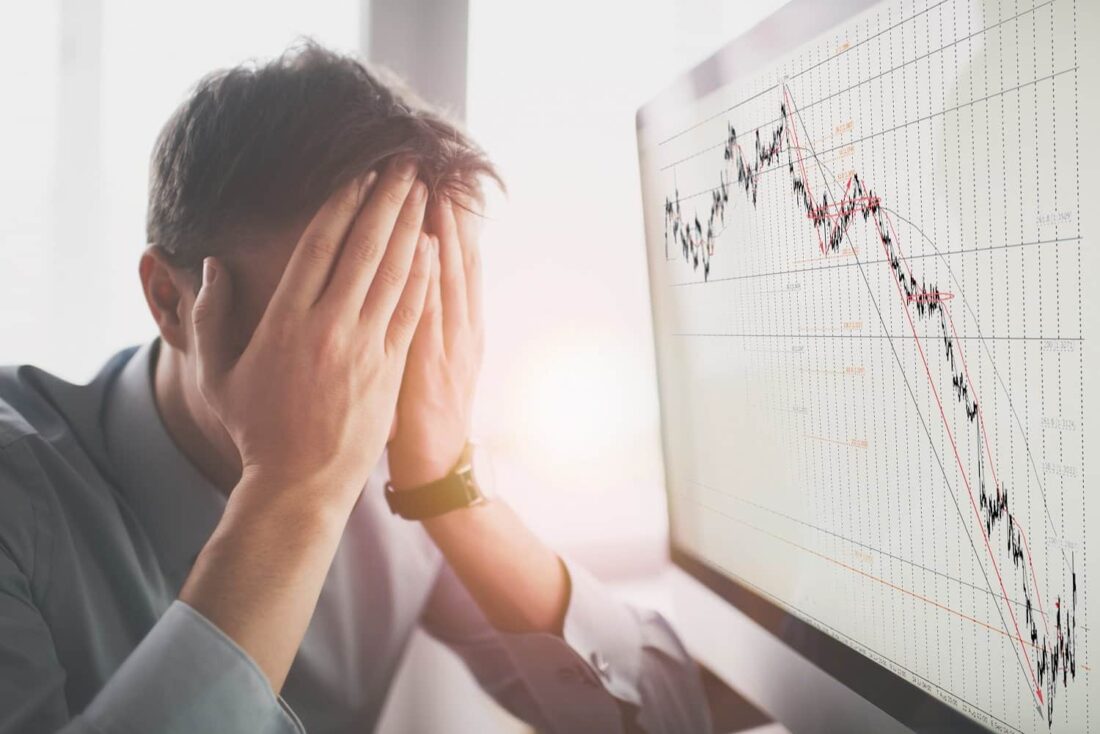
What does an irresistible desire to be in the market no matter what look like? Like this, as in the picture below.
If everything was fine on Catholic Christmas — a thin market, but with proper self-control you can and sometimes even should work — then by New Year, on December 31, after the celebration had started, an open trade left unattended for half an hour helped get rid of what had previously been earned on the thin market.

Because alcohol is not part of this trader's mandatory New Year program, part of the loss had already been recovered by January 2. But the aftertaste remained: December 31 was entirely negative, and January 2 started with a solid loss that was recovered thanks to an understanding of market structure.
No matter how perfect a trader's trading system may be, the New Year mood, or more broadly the holiday mood, reduces concentration on work, if the market is work and not a casino.
Thus, the trader's main task is not to make the situation worse. It is so easy to do that by increasing trading volume. And after the first loss, there is such a strong desire to win it back and lift a holiday mood that has sagged a little.
Therefore, if you really want to be at the terminal during the holidays, you should at least reduce the risk you are taking.
Why Coming Out of the Holidays Is Dangerous for Your Deposit
Let us discuss in more detail the dangers waiting for a trader in a thin market and in a slightly altered psychological state.
First, after drinking and friendly get-togethers, the normal sleep schedule is often disrupted. And disruption of the sleep schedule leads at the very least to reduced concentration, without which even in a normal psychological state exchange trading is less predictable.
Second, one should not forget about emotional inertia. A long holiday break, in addition to reducing concentration, leads to emotional relaxation and even a certain euphoria. And euphoria is a guarantee of heightened expectations from the market. In turn, heightened expectations most often lead to exceeding acceptable risk.
Third, with a high degree of probability, the trader did not analyze the market situation during the holidays. Instead of lengthy preparation for trading, there is a quick glance at quotes, indicators, and so on, followed by the immediate opening of a position.
A Plan for Returning to Normal Trading
Practical Anti-Alcohol Rules for a Trader

Do not trade on the day you consume alcohol. This rule is not for gamblers, but for those who plan to earn steadily in trading.
The recommended break is from 24 to 48 hours. It takes at least a day to return to normal after drinking. It is better to extend the rest from rest to two days.
Before starting to trade, check your adequacy. The view of an outside person can help here.
Technical Control Measures (So as Not to Give In to the Moment)
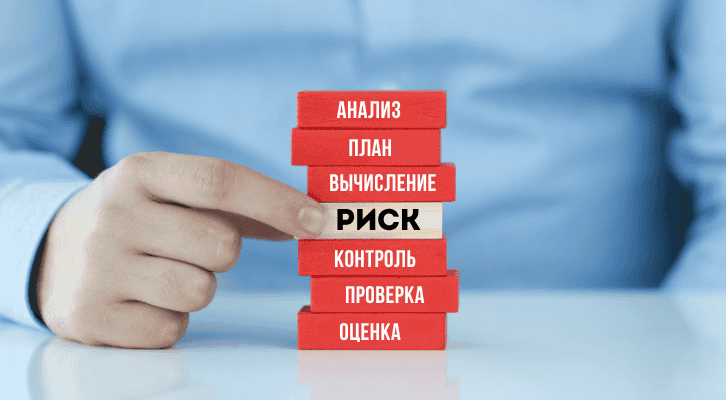
Automating protection. In the first few days, it is worth working with rigid short stops, since there is a possibility of moving stops in the direction of increasing the loss.
Pre-market order lock. No trading before the main session opens. All orders only through pre-approved templates: no "excellent trading opportunities," even if they really are such.
Trading lockout. Professional terminals allow you to introduce a self-imposed restriction on trading for a certain period without the possibility of removing that restriction. A very useful function.
Reduced risk (fewer contracts / less leverage). At least a week after long holidays should be spent with reduced trading volume.
Conclusion
Returning to trading after the holidays is a difficult process, but one that is fully manageable. In this process, it is necessary to follow simple rules that will help further reduce the risks of losing your deposit.
Let the return be soft, gradual, and sober enough for profits in the new year to continue growing.
Sincerely,
Ivan Rusin